Sep 01
Cash or Card? New York Senator Pushes to Keep Cash an Option Everywhere
Adobe Stock/romaset/stock.adobe.com
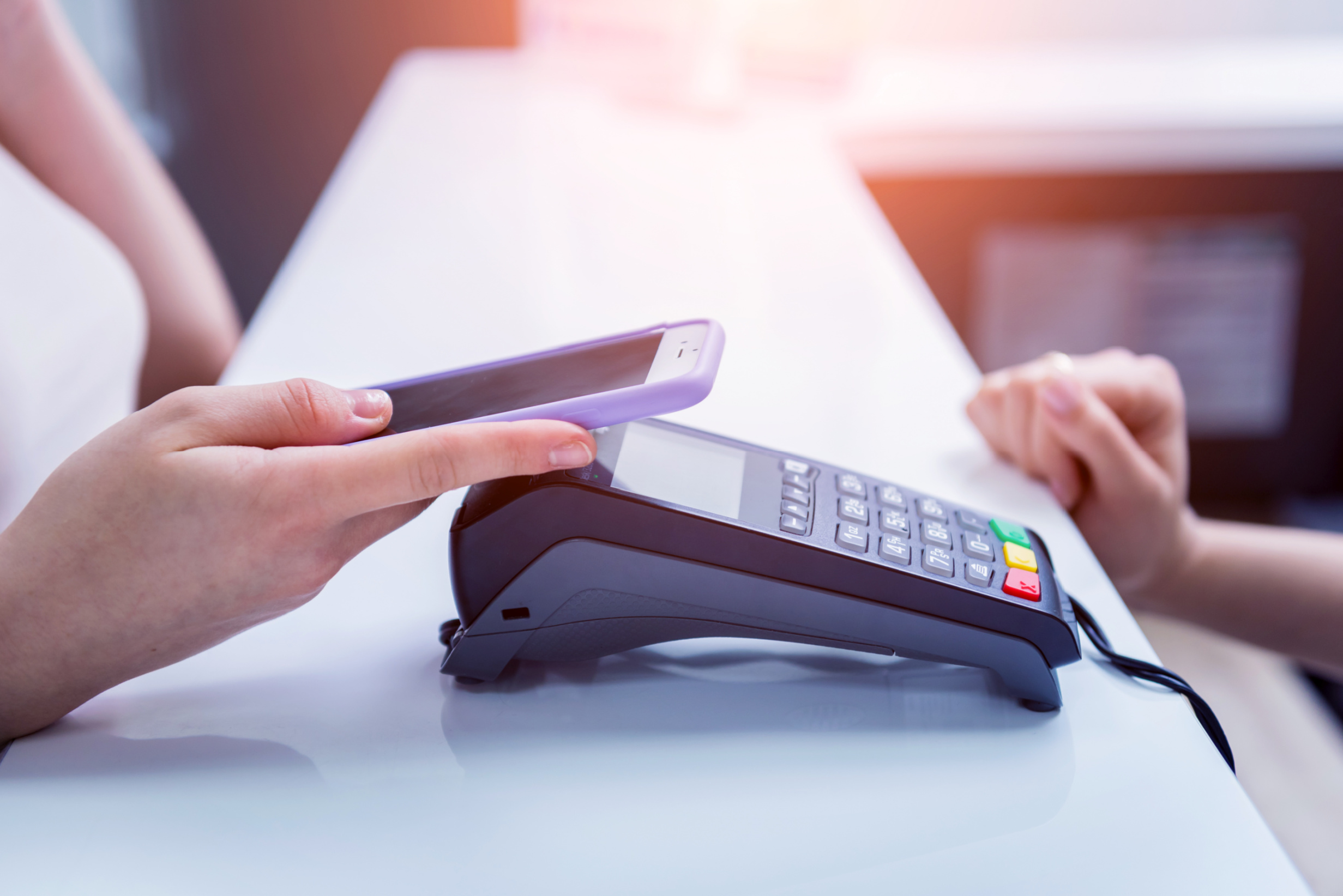
With high-profile venues across New York increasingly refusing to accept cash, State Senator Joseph A. Griffo is urging Governor Kathy Hochul to sign into law legislation that would protect consumers’ right to use paper currency. The bill, S.4153A/A.7929A, passed by both the Senate and Assembly earlier this year, would prohibit food service and retail businesses from refusing cash payments. Violators could face civil penalties, ensuring that every New Yorker has the freedom to decide how to pay for goods and services.
The push comes as cashless policies spread through some of the state’s most recognizable attractions. The New York State Fair is operating without cash at its entrance gates and parking lots, Saratoga Race Track has gone cash-free mid-season, and many stadiums across the state no longer accept coins or bills. Griffo argues that this trend unfairly excludes those without access to bank accounts or credit cards, a population that often includes low-income individuals, seniors, immigrants, and others who rely on cash out of necessity. “An overwhelming majority of New Yorkers support this proposal,” he said, adding that he hopes the governor will act swiftly to sign it into law because “cash should be an option everywhere.”
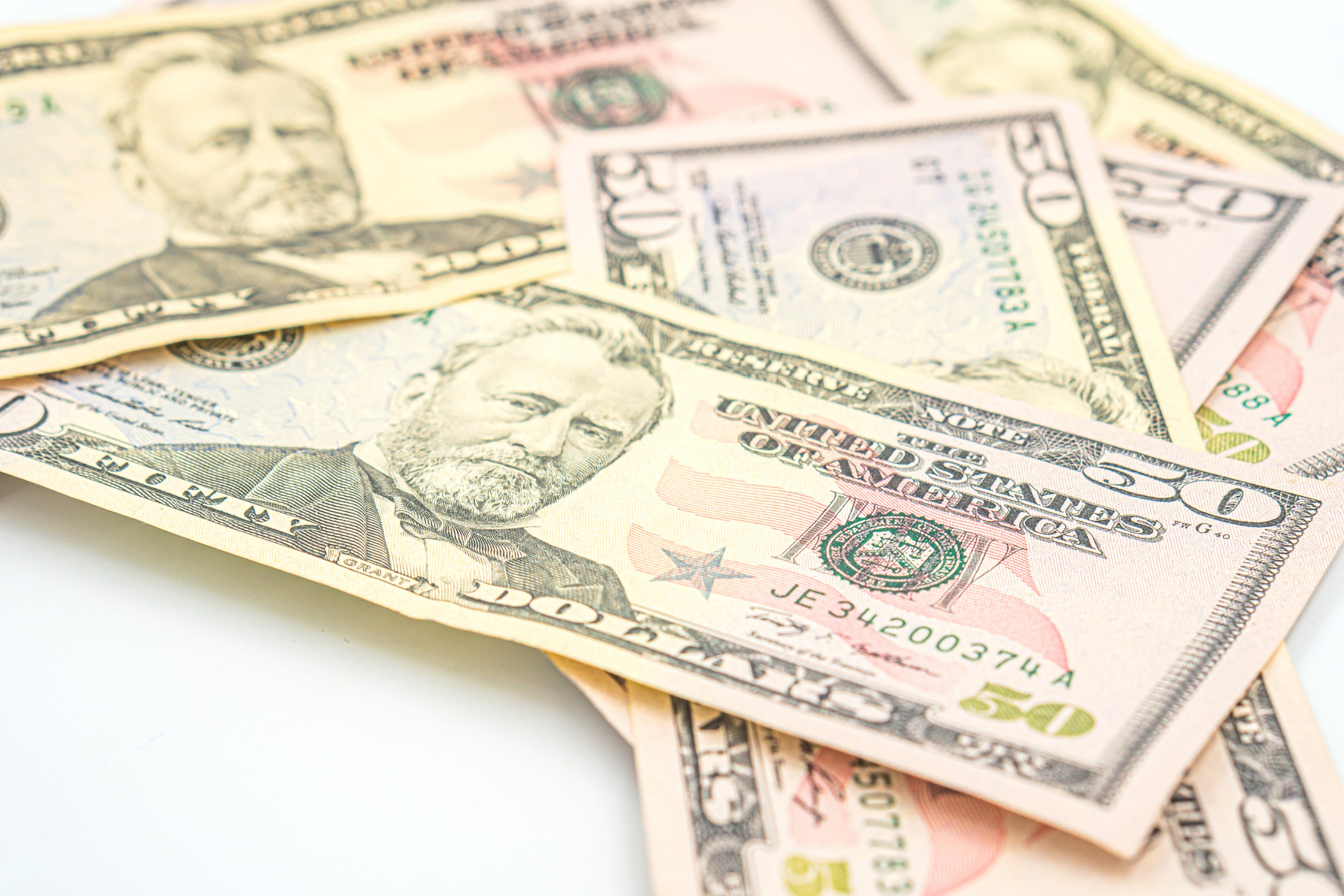
The legislation not only requires acceptance of cash but also sets clear penalties for businesses that refuse. Some documents point to fines starting at $250 for a first violation and $500 for subsequent violations, while others report that penalties could rise to $1,000 and $1,500, depending on the version of the bill. The law makes room for establishments that provide machines to convert cash into prepaid cards, but those devices must be free of charge, cannot require a deposit of more than a dollar, and cannot place expiration dates on the cards. If the machine malfunctions, businesses must still take cash directly and post notice of the requirement.
Supporters say this is about fairness and inclusion in an increasingly digital economy. The rise of mobile payments and credit-card transactions has been rapid, but nearly six percent of American households remain “unbanked,” according to the FDIC. In New York, that translates to hundreds of thousands of people who could be shut out of basic transactions if cashless policies continue to spread unchecked. Advocates also stress that cash is critical for privacy, budgeting, and resilience during emergencies when digital systems fail.
New York would not be the first state to step in. Massachusetts has required businesses to accept cash since 1978, while New Jersey, Colorado, Rhode Island, Oregon, Connecticut, Delaware, and Montana have adopted similar protections more recently. Several major cities, including New York City, Philadelphia, San Francisco, and Washington, D.C., have also banned cashless stores. These measures reflect a national movement to ensure financial access isn’t dictated by the technology in someone’s wallet.
The bill passed both houses of the New York legislature in late May and now sits on Governor Hochul’s desk. She has yet to publicly comment on whether she will sign it, but lawmakers, consumer advocates, and even the ATM industry are pressing her to move quickly. For many, this is more than just a debate about payment convenience—it’s about guaranteeing that all New Yorkers, regardless of income or banking status, can participate fully in everyday commerce.
As more businesses embrace digital payments, the question is whether the state will affirm the continuing role of cash as a universal medium of exchange. For Griffo and the bill’s supporters, the answer is clear: protecting the right to use cash is not only about tradition but about fairness, inclusion, and the recognition that money in hand should still carry weight at the counter.
RECENT
Wisconsin Expands Emergency Testing
first-responders
Progress Over Perfection
Health & Wellness
‘American Pie’ Turns 55 on Tour
Entertainment

Senior Expo Offers Help and Support in Bucks County, PA
Community

California Moves to Rename Chávez Day
In The States

A Very American Tuesday: Puppies, Philly & Pours
Offbeat Observances
Cash or Card? New York Says Both
In The States

Country Newcomer Delivers Raw Finale
Entertainment
End of an Era: Devin LeMahieu Declines Reelection Bid
In The States
Kelly Lang Teases New Album with Latest Single
Entertainment
BE THE FIRST TO KNOW
Want to stay in the loop? Be the first to know! Sign up for our newsletter and get the latest stories, updates, and insider news delivered straight to your inbox.
More Content By
Think American News StaffWisconsin Expands Emergency Testing
first-responders
‘American Pie’ Turns 55 on Tour
Entertainment
Senior Expo Offers Help and Support in Bucks County, PA
Community
California Moves to Rename Chávez Day
In The States
Cash or Card? New York Says Both
In The States
Country Newcomer Delivers Raw Finale
Entertainment
End of an Era: Devin LeMahieu Declines Reelection Bid
In The States
Kelly Lang Teases New Album with Latest Single
Entertainment

Hello Spring, Hello Plans
Dating

Arizona Targets Youth Nicotine Sales
Health & Wellness
View All Content By Think American News Staff