Dec 14
Adobe Stock/Pcess609
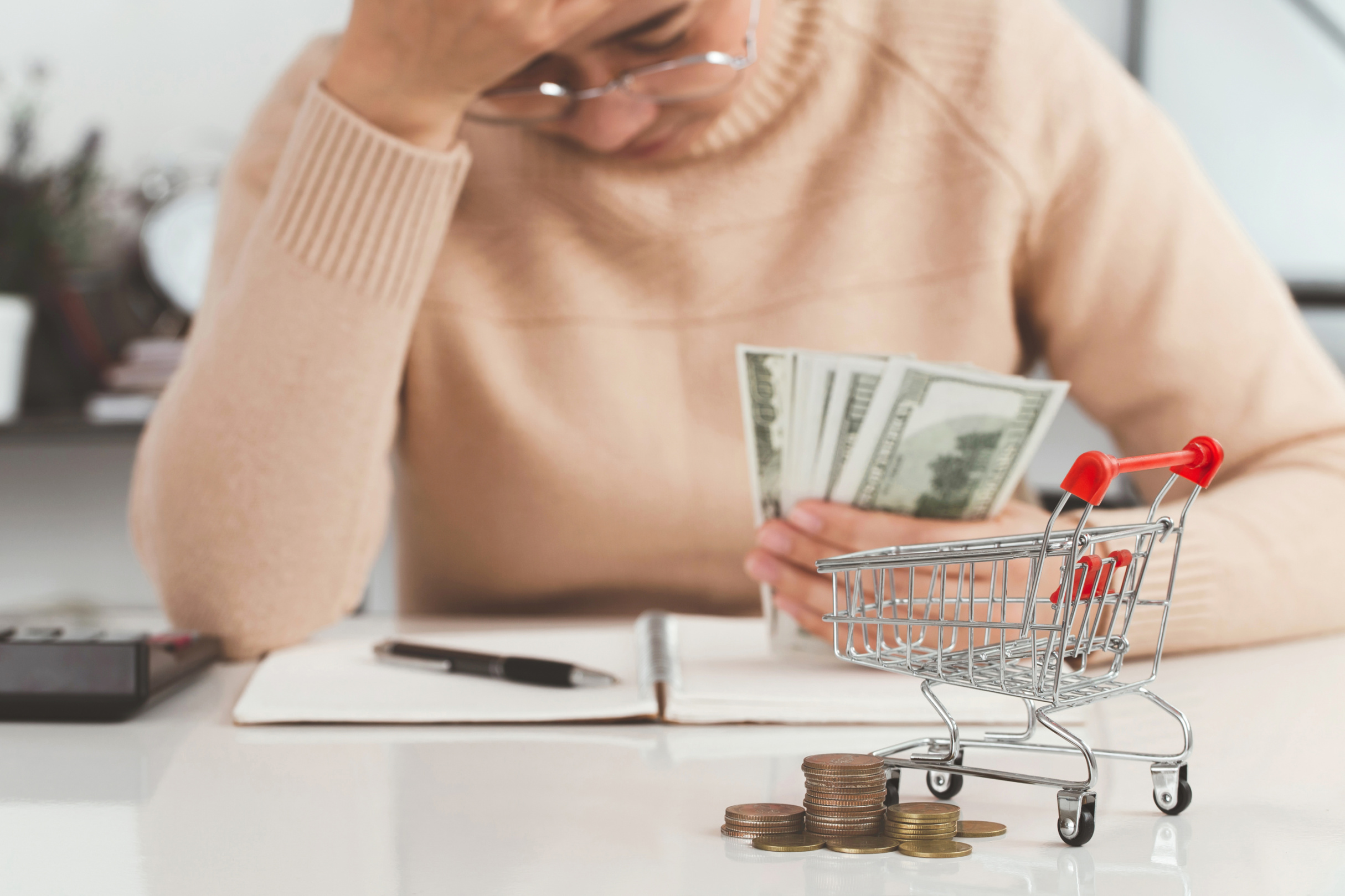
The Economy Is Always on the Ballot
In this analysis by David Winston of the Winston Group, a longtime adviser to congressional Republicans, one reality stands out: voters reward or punish political leadership based on how they feel about the economy. From President Reagan’s losses in 1982 to President Obama’s shellacking in 2010, inflation, wages, and job growth have repeatedly shaped midterm outcomes. Heading into 2026, that reality hasn’t changed—and inflation remains the dominant lens through which voters are grading Washington.
Prices vs. Paychecks
At the core of the electorate’s “inflation report card” is a simple question: are wages rising faster than prices? While inflation rarely drops below zero, voters care deeply about purchasing power. Under President Biden, prices rose faster than wages, leaving families effectively poorer. Since President Trump returned to office, wages have slightly outpaced inflation—but only marginally. For many voters, that improvement hasn’t yet translated into real relief at the grocery store or gas pump.
Perception Still Matters
Polling suggests most Americans still believe inflation is getting worse, not better. That perception—especially among independents—poses a serious challenge for Republicans heading into the midterms. Voters tend to trust what they see and feel in daily life more than political messaging, and attempts to minimize affordability concerns have backfired in past elections.
Independents Hold the Pen
Independents continue to be the decisive bloc. Recent gubernatorial elections in Virginia and New Jersey show that when independents break heavily against the party in power, the consequences are significant. Approval ratings on inflation and the broader economy among independents currently lean sharply negative—an unmistakable warning sign for Republicans.
The Path to a Passing Grade
The takeaway is clear: economic messaging cannot drift. Policies tied to energy costs, regulation, taxes, and job creation must be clearly linked to everyday affordability. As 2026 approaches, voters won’t be swayed by rhetoric alone—they’ll be issuing grades based on lived experience.
RECENT

Wisconsin Expands Emergency Testing
first-responders
Progress Over Perfection
Health & Wellness

‘American Pie’ Turns 55 on Tour
Entertainment

Senior Expo Offers Help and Support in Bucks County, PA
Community

California Moves to Rename Chávez Day
In The States

A Very American Tuesday: Puppies, Philly & Pours
Offbeat Observances

Cash or Card? New York Says Both
In The States

Country Newcomer Delivers Raw Finale
Entertainment
End of an Era: Devin LeMahieu Declines Reelection Bid
In The States

Kelly Lang Teases New Album with Latest Single
Entertainment
BE THE FIRST TO KNOW
Want to stay in the loop? Be the first to know! Sign up for our newsletter and get the latest stories, updates, and insider news delivered straight to your inbox.
More Content By
Think American News StaffWisconsin Expands Emergency Testing
first-responders
‘American Pie’ Turns 55 on Tour
Entertainment
Senior Expo Offers Help and Support in Bucks County, PA
Community
California Moves to Rename Chávez Day
In The States
Cash or Card? New York Says Both
In The States
Country Newcomer Delivers Raw Finale
Entertainment
End of an Era: Devin LeMahieu Declines Reelection Bid
In The States
Kelly Lang Teases New Album with Latest Single
Entertainment

Hello Spring, Hello Plans
Dating

Arizona Targets Youth Nicotine Sales
Health & Wellness
View All Content By Think American News Staff