Jan 16
Adobe Stock/Sherry Lemcke
The Familiar Excuse Trainers Hear All the Time
As a dog trainer, I’ve come across the same kind of training scenarios countless times: puppy peeing in the house because it’s given free reign, dog stealing food off the table because it lacks an understanding of boundaries, dog reaches a certain age and bad behavior starts to escalate. A common theme among these scenarios is that the dogs are usually young, under two years old. And time and time again, the same excuse is always given: but he’s just a puppy! Should age be an excuse for unwanted behavioral issues? And at what point is this logic more harmful than helpful?
Why Age Should Never Excuse Poor Behavior
Let’s make one thing clear: a dog’s age, particularly a young dog, should never be used to excuse poor behavior. As soon as your dog begins acting inappropriately, the human needs to intervene. A young dog’s brain is hardwiring for life. If certain behaviors benefit them in some way, they learn that that behavior worked and it will be repeated. And the more the behavior is allowed to be repeated, the more it becomes a habit. It doesn’t matter if you don’t benefit from the action.
The “Cute Puppy” Moment That Turns Costly
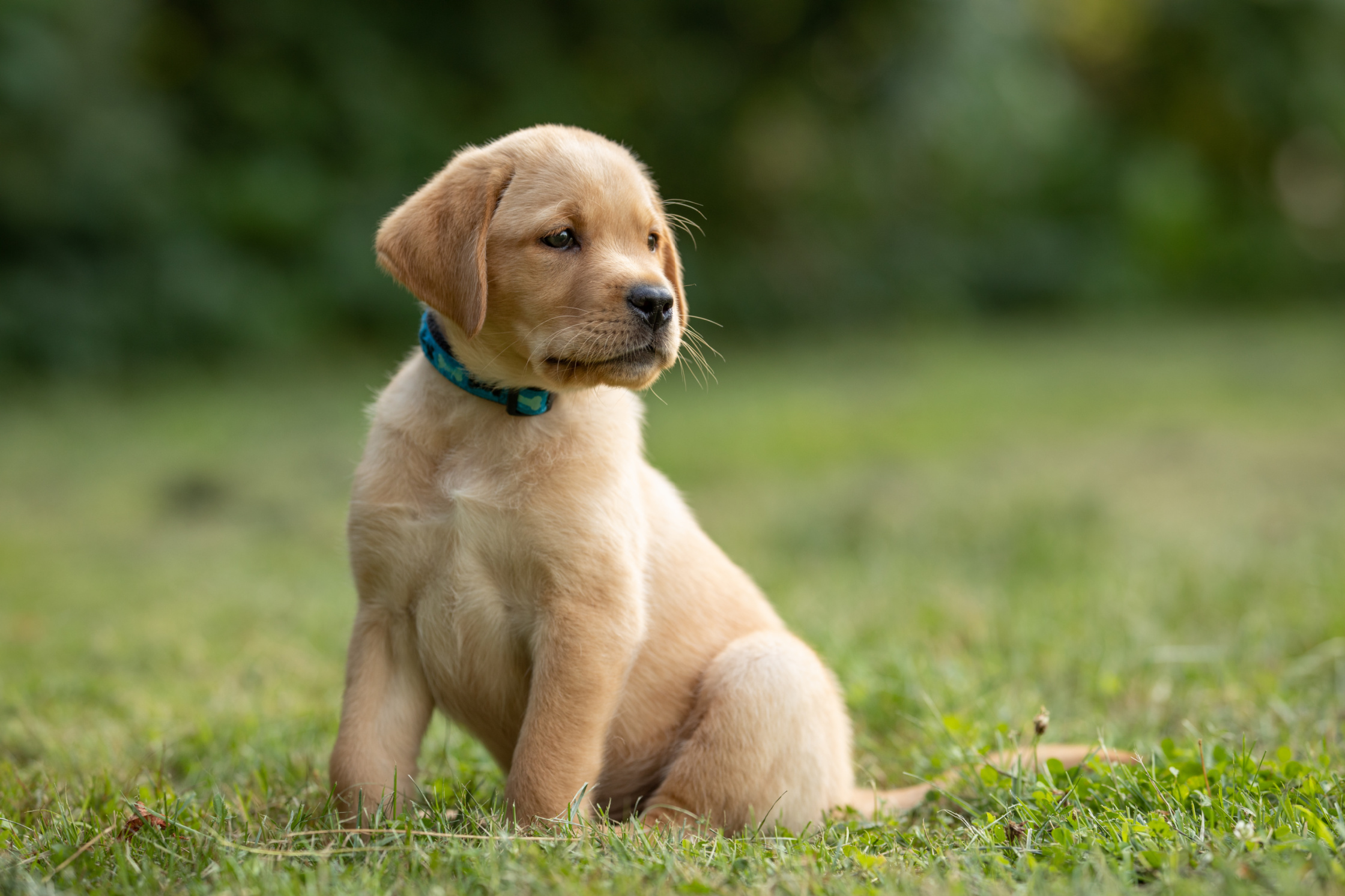
Let’s say you have a puppy, and at four months old, they start to play “keep away” from you when you’re playing together with a toy. When you go to grab the toy, they make a small little growl. You laugh thinking they are being so cute, and they run away with the toy and get to keep it. You say to yourself “he’s just a puppy, being a puppy.” When they get older, you’ll plan on resolving this small issue mainly because it’s annoying. Unfortunately, you haven’t read between the lines. And gone unchecked, this behavior will become way more than just “a little annoying.”
When the Puppy Becomes a Problem
Fast forward five months later. Your cute little “pup” is now 9 months old. Play time is still annoying, though you are noticing that the growling has become a bit deeper and he’s also starting to show some teeth. You think “oh, he’s just a puppy being a puppy, there’s still time to grow out of this.” And then, it happens. Your “puppy” grabs something they are not supposed to have. It’s an object they found, and because they found it, its value increases. You see he has something he’s not supposed to have, so you approach him in the same manner you would if you both were playing with a toy. You go to grab the object from him and BOOM! You get bitten. No warning this time. No growling, or teeth. Just a straight up bite. And you are left wondering “why would my puppy do that?”
The Teenage Phase Nobody Prepares For
The above scenario is based on true stories that I have encountered time and time again. Young puppies under 6 months of age are learning at a rapid rate and figuring out a lot about life. This is prime relationship building time where your young pup is learning boundaries and coming to an understanding of what forms of communication work, and what doesn’t. They jump, they nip/mouth, they may growl, they bark…all have their place in the communication world. But they don’t grow out of it. Gone unchecked, once your pup hits teenage years, which is roughly between 7–9 months of age, these behaviors become more intentional. Because now your dog has something to prove. They are maturing and like any maturing teenager, they have a keen interest in…control. Even though they are not even a year old yet, they are no longer a cute puppy practicing exploratory behavior. They are on the fast track to becoming an adult dog who is ready to make all those young opinions into fact. If you haven’t established a training routine yet, now is the time…because they won’t fix themselves.
Puppyhood Is Not a Free Pass
The puppy stage is wonderful, but it should not be used as an excuse to enable poor behavior. Every stage of a dog’s development is pivotal and it is imperative that you incorporate age appropriate training techniques that will help mold your dog into the dog of your dreams. Not your nightmares!
RECENT

Military Kids Day Highlights Service at Kentucky Capitol
In Service

Arizona Remembers Noel Campbell, a Leader Defined by Duty
In The States
Southern Indiana Launches Aviation Training Initiative
aviation

Country Full Circle: Shenandoah Honors Luke Bryan
Entertainment

Minnesota Lawmaker Pushes Cooperation to “Stop the Madness”
Immigration
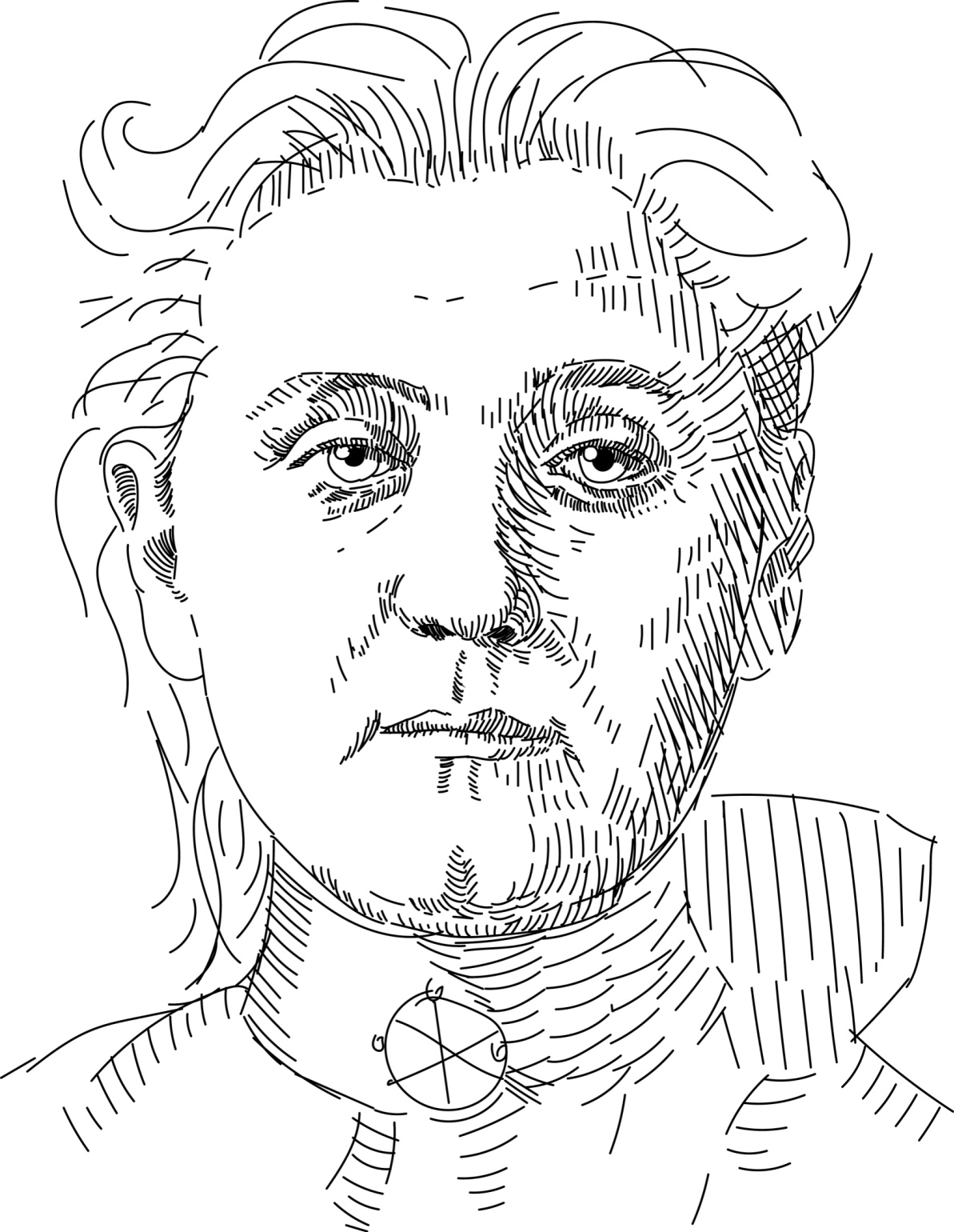
Jane Addams: Building Community, Building America
History
Roots. Roads. ‘Della Jane’s Heart.’
Entertainment
No Couch Required: This Weekend Across the U.S.
Dating
Scent Work: Mental Exercise for Happier Dogs
animals
The Deadliest Winter Month
Uncategorized
BE THE FIRST TO KNOW
Want to stay in the loop? Be the first to know! Sign up for our newsletter and get the latest stories, updates, and insider news delivered straight to your inbox.

More Content By
Kate McCueScent Work: Mental Exercise for Happier Dogs
animals
It’s Just a Puppy! Or Is It?
Mans Best Friend
When Dogs Act Like Dogs, Everyone Wins
Mans Best Friend
Training Dogs Without a Treat Bag
Mans Best Friend
Why Breed Doesn’t Predict Therapy Dog Success
Mans Best Friend

Holiday Dog Safety Tips
Mans Best Friend
My Dog Loves Me!
Mans Best Friend
Patience Over Pills: Rethinking Medication in Dog Training
Mans Best Friend
Why We Crate
Mans Best Friend
Why Play Isn’t Optional for Your Dog — It’s Essential
Mans Best Friend
View All Content By Kate McCue