Dec 05
Budget planning, education pathways, tax reform, and growth strategy take center stage ahead of the General Assembly
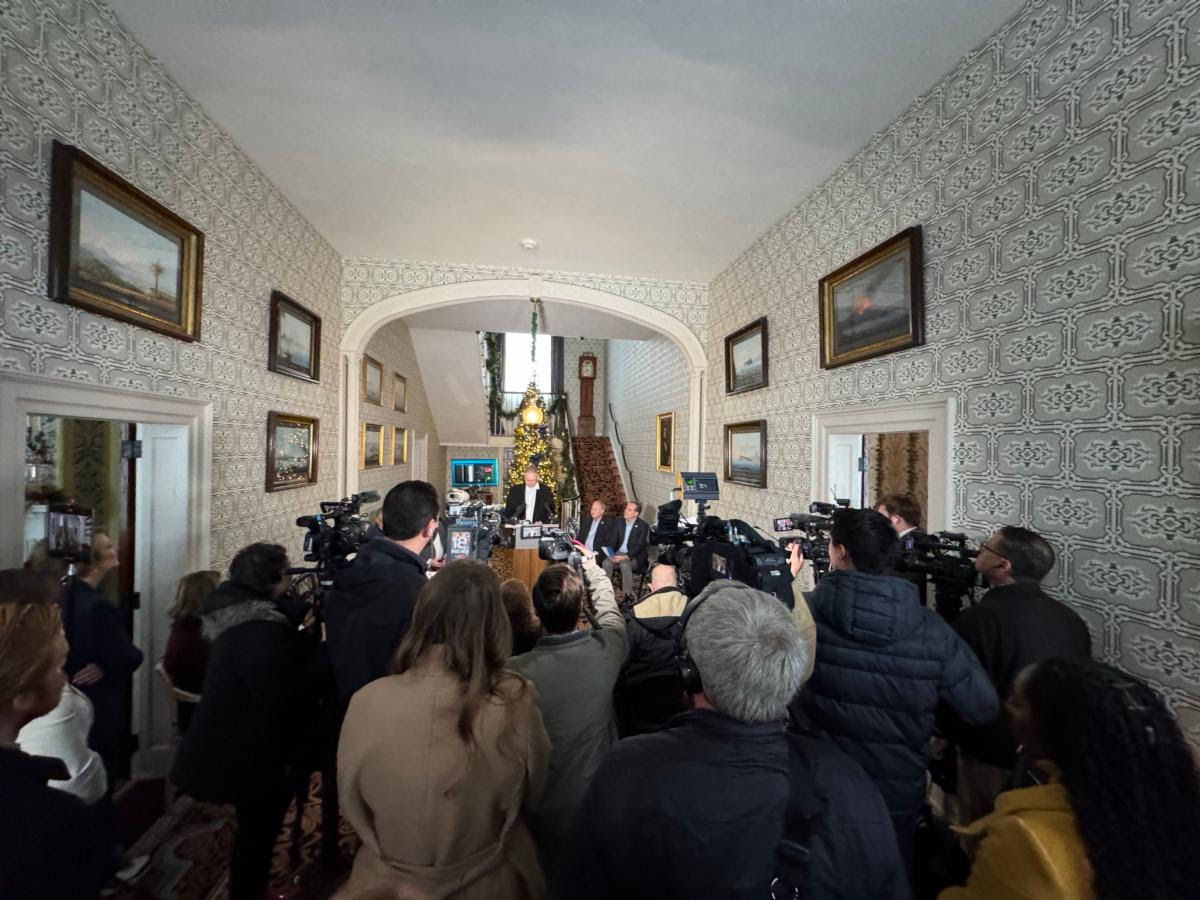
Kentucky’s top Senate leaders gathered in Bardstown this week to preview the major issues they expect to shape the 2026 General Assembly, emphasizing fiscal discipline, long-term economic planning and the importance of education and workforce development. The visit brought together key members of Senate leadership alongside local officials, business leaders and educators at the historic My Old Kentucky Home State Park.
The annual Senate Majority Caucus meeting, held this year in Nelson County, provided an opportunity for lawmakers to review statewide needs while also spotlighting the region’s role in bourbon production and tourism—industries central to Kentucky’s economic identity.
A Two-Year Budget and Road Plan at the Top of the Agenda
When lawmakers convene in January, their foremost responsibility will be crafting the state’s next two-year budget and road plan. Senate leaders signaled that they intend to continue the fiscal philosophy they have championed over the past decade—one defined by tax reform, conservative budgeting and policies intended to drive private investment.
Senate President Robert Stivers pointed to Bardstown’s recent growth as evidence of how sustained policy decisions can shape regional economies. Stivers said earlier reforms in bourbon taxation and tourism incentives spurred new distilleries, hotels and visitor traffic, helping transform the area into a major hub of economic activity.
Bardstown’s Growth Story
The decision to host this year’s caucus meeting in Bardstown also carried symbolic significance. Sen. Jimmy Higdon, who is preparing for his final legislative session, has long worked with local leaders to secure state investments in roads, schools, pensions and tourism.
Nelson County’s recent economic output reflects the impact of those efforts. Last year alone, the region generated more than $90 million in tourism activity. Visitor spending topped $62 million, producing nearly $7 million in associated tax revenue. Infrastructure improvements have also been substantial, with roughly $86 million in state-funded road projects completed or underway. That work includes resurfacing, safety enhancements and a newly built connector route named the Sons of Bardstown Memorial Highway to honor local Vietnam veterans.
Education and Workforce Remain Core Priorities
Senate Majority Floor Leader Max Wise said the upcoming budget cycle will once again place education and workforce development at the forefront. Wise framed many of Kentucky’s long-term challenges as closely connected to education—from workforce readiness to population retention.
He emphasized ongoing investment in career and technical education pathways, university research missions and community partnerships aimed at keeping graduates in Kentucky. Wise also highlighted the growing importance of artificial intelligence and advanced technology, saying Kentucky must prepare students for an economy increasingly shaped by innovation.
Nelson County’s “grow-your-own” teacher pathway, developed in partnership with Western Kentucky University, was cited as a model other districts could replicate. The program blends apprenticeships, dual credit courses and early exposure to the teaching profession, a strategy local leaders say is helping address teacher shortages.
Economic Momentum Tied to Tax Policy
Senate Majority Whip Mike Wilson pointed to data showing improvements in Kentucky’s teacher workforce as an example of targeted legislative investment paying off. He referenced a recent report showing 32 school districts with zero teacher vacancies—a significant jump from the previous report, which identified only one.
Wilson also underscored the role of tax policy in Kentucky’s economic trajectory. He said reductions in the state income tax have left more money in the hands of families and businesses while allowing the state to meet pension obligations and build the largest budget reserve trust fund in its history. Continued investment in aviation, skilled trades, water systems and transportation infrastructure remains part of the caucus’s long-term strategy.
Task Forces Tackle Housing, Health, AI and Disaster Resilience
Senate Majority Caucus Chair Robby Mills outlined interim work from task forces examining issues ranging from artificial intelligence to housing shortages and disaster preparedness. Mills said the goal is to identify pragmatic solutions—particularly in the housing sector, where regulatory modernization, infill development and partnerships with faith-based organizations may help communities expand without driving up costs for working families.
A Decade of GOP Leadership Shapes 2026 Outlook
Senate President Pro Tempore David Givens marked the upcoming session as a milestone: ten years of Republican control of both chambers. Givens said the period has resulted in stronger pension systems, the highest education investment in state history and a historic budget reserve—achieved while gradually lowering the personal income tax.
The 2026 budget, he said, will continue focusing on core responsibilities, including infrastructure, education and public safety.
As lawmakers prepare for January, Senate leaders say their focus remains steady: a forward-looking budget, stronger economic competitiveness and policies designed to support families and communities across the commonwealth.
RECENT

Wisconsin Expands Emergency Testing
first-responders

Progress Over Perfection
Health & Wellness

‘American Pie’ Turns 55 on Tour
Entertainment

Senior Expo Offers Help and Support in Bucks County, PA
Community
California Moves to Rename Chávez Day
In The States

A Very American Tuesday: Puppies, Philly & Pours
Offbeat Observances

Cash or Card? New York Says Both
In The States

Country Newcomer Delivers Raw Finale
Entertainment
End of an Era: Devin LeMahieu Declines Reelection Bid
In The States

Kelly Lang Teases New Album with Latest Single
Entertainment
BE THE FIRST TO KNOW
Want to stay in the loop? Be the first to know! Sign up for our newsletter and get the latest stories, updates, and insider news delivered straight to your inbox.
More Content By
Think American News StaffWisconsin Expands Emergency Testing
first-responders
‘American Pie’ Turns 55 on Tour
Entertainment
Senior Expo Offers Help and Support in Bucks County, PA
Community
California Moves to Rename Chávez Day
In The States
Cash or Card? New York Says Both
In The States
Country Newcomer Delivers Raw Finale
Entertainment
End of an Era: Devin LeMahieu Declines Reelection Bid
In The States
Kelly Lang Teases New Album with Latest Single
Entertainment

Hello Spring, Hello Plans
Dating

Arizona Targets Youth Nicotine Sales
Health & Wellness
View All Content By Think American News Staff