Jan 21
Adobe Stock/Dusan Petkovic

Are People Really Happier in Relationships? A 13-Year Study Has Answers
A 13-year longitudinal study tracking more than 12,000 adults in Germany found that people generally experience higher emotional well-being while in a relationship than when single. Participants reported increased life satisfaction, more positive emotions, and fewer feelings of sadness or despair when partnered. When those same individuals became single again, emotional well-being often declined.
Loneliness Stands Out
Among all emotional measures, loneliness showed the strongest difference. People reported significantly lower loneliness when in relationships or marriages — even when those relationships weren’t particularly strong. Researchers suggest loneliness may function as a unique psychological signal tied closely to intimate partnership rather than overall happiness.
Why Relationship Quality Matters More Than Status
Perhaps the most striking finding: low-quality relationships were often worse for emotional health than being single. Individuals in strained or unsupportive partnerships reported more distress, sadness, and lower happiness than during periods of singlehood. In contrast, people in high-quality relationships experienced the greatest emotional benefits.
In short, being partnered isn’t automatically better — the quality of the relationship is what truly matters.
Men, Women, and Social Pressure
The study also found small gender differences. Men tended to experience greater emotional difficulty when single, particularly loneliness, while women reported feeling less secure when not partnered. Still, researchers emphasized that relationship quality outweighed gender differences.
Importantly, the emotional burden of singlehood may stem less from being alone and more from social stigma and exclusion in cultures that treat couplehood as the norm.
The Takeaway
Good relationships can enhance well-being. Bad ones can harm it. And singlehood isn’t a failure — it may be healthier than staying in the wrong relationship. The real lesson isn’t to rush into partnership, but to prioritize emotional quality, support, and choice.
RECENT

Heather Jenkins and The Power of Intentional Rest
Health & Wellness

Arizona Extends Farm Water Fee Relief
In The States
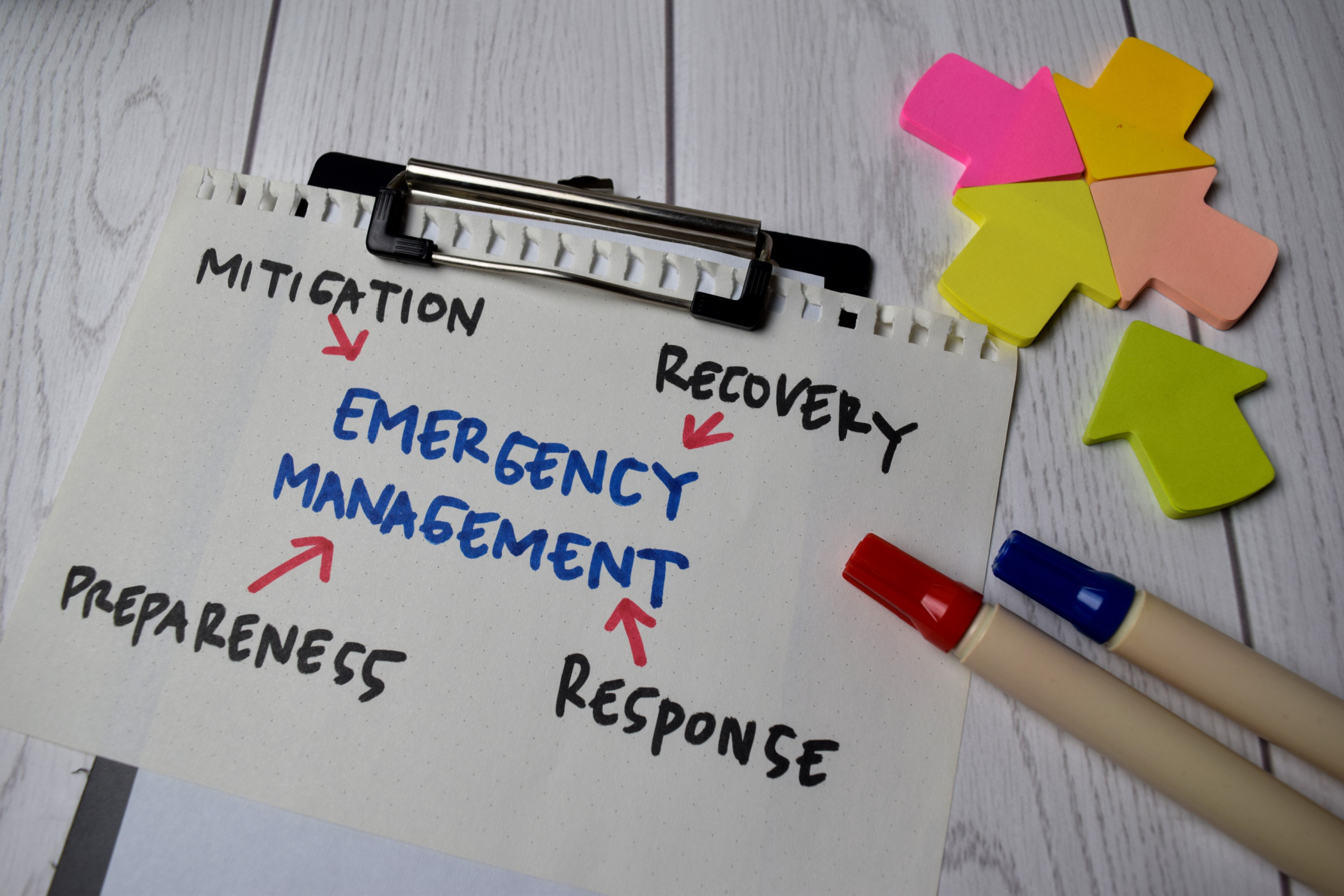
Michigan Storm Recovery Gets Bipartisan Federal Boost
In The States

Canada Says Goodbye To Country Gentleman Tommy Hunter
Entertainment

PA Lawmakers Focus on Energy
Energy

America’s 250th Turns the Weekend Into Something Bigger
Travel
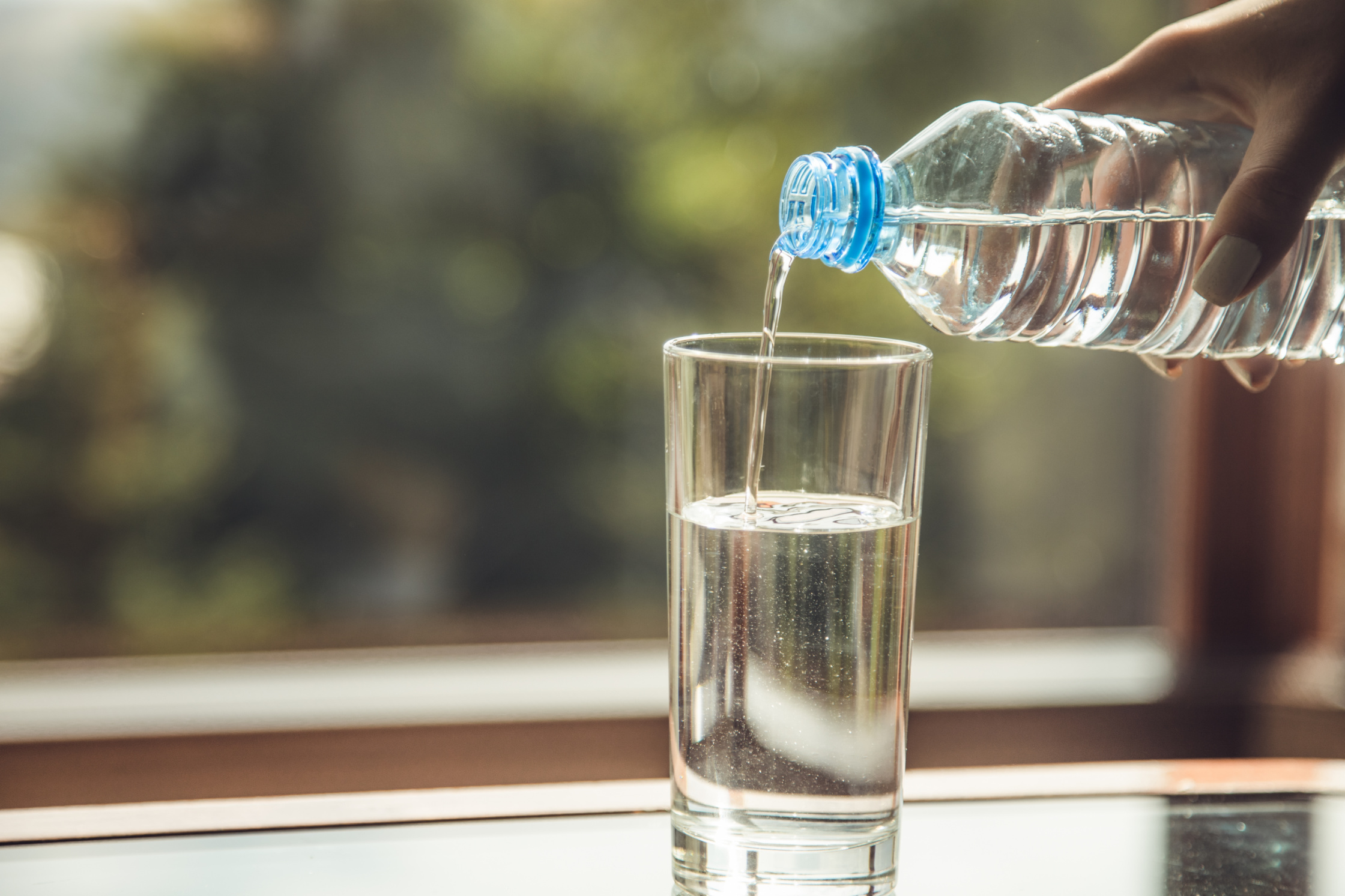
Before You Reach for That Snack, Drink a Glass of Water
Friday Fuel

A Country Toast to America at 250
America
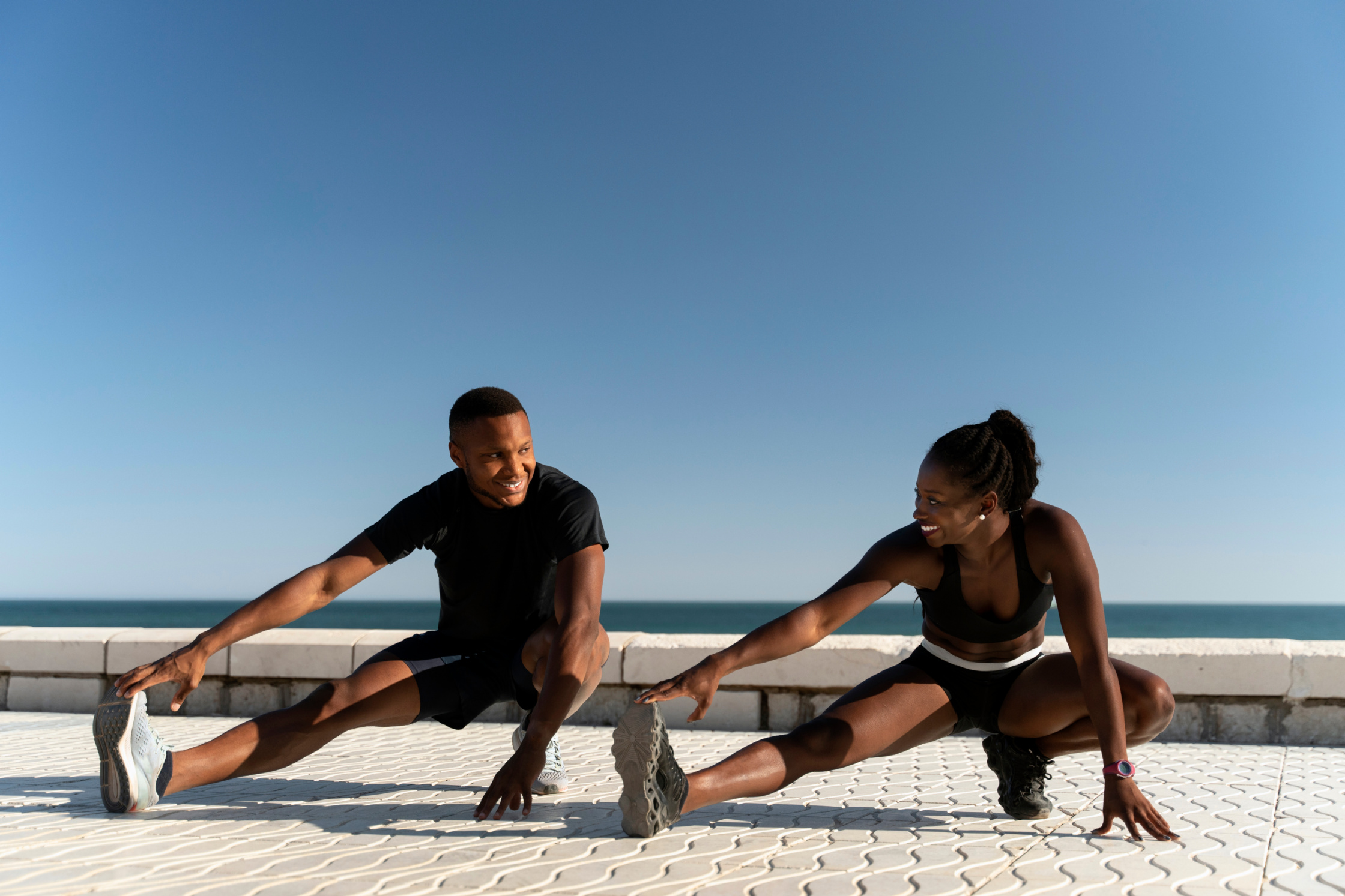
Summer Wellness Challenge to Help You Feel Your Best
Health & Wellness

Sybil Ludington Rides Home for America’s 250th
In The States
BE THE FIRST TO KNOW
Want to stay in the loop? Be the first to know! Sign up for our newsletter and get the latest stories, updates, and insider news delivered straight to your inbox.
More Content By
Think American News Staff
Kentucky Bridge Project Gets $24M Boost
American Infra
Arizona Extends Farm Water Fee Relief
In The States
Michigan Storm Recovery Gets Bipartisan Federal Boost
In The States
Canada Says Goodbye To Country Gentleman Tommy Hunter
Entertainment
PA Lawmakers Focus on Energy
Energy
America’s 250th Turns the Weekend Into Something Bigger
Travel
A Country Toast to America at 250
America
Sybil Ludington Rides Home for America’s 250th
In The States
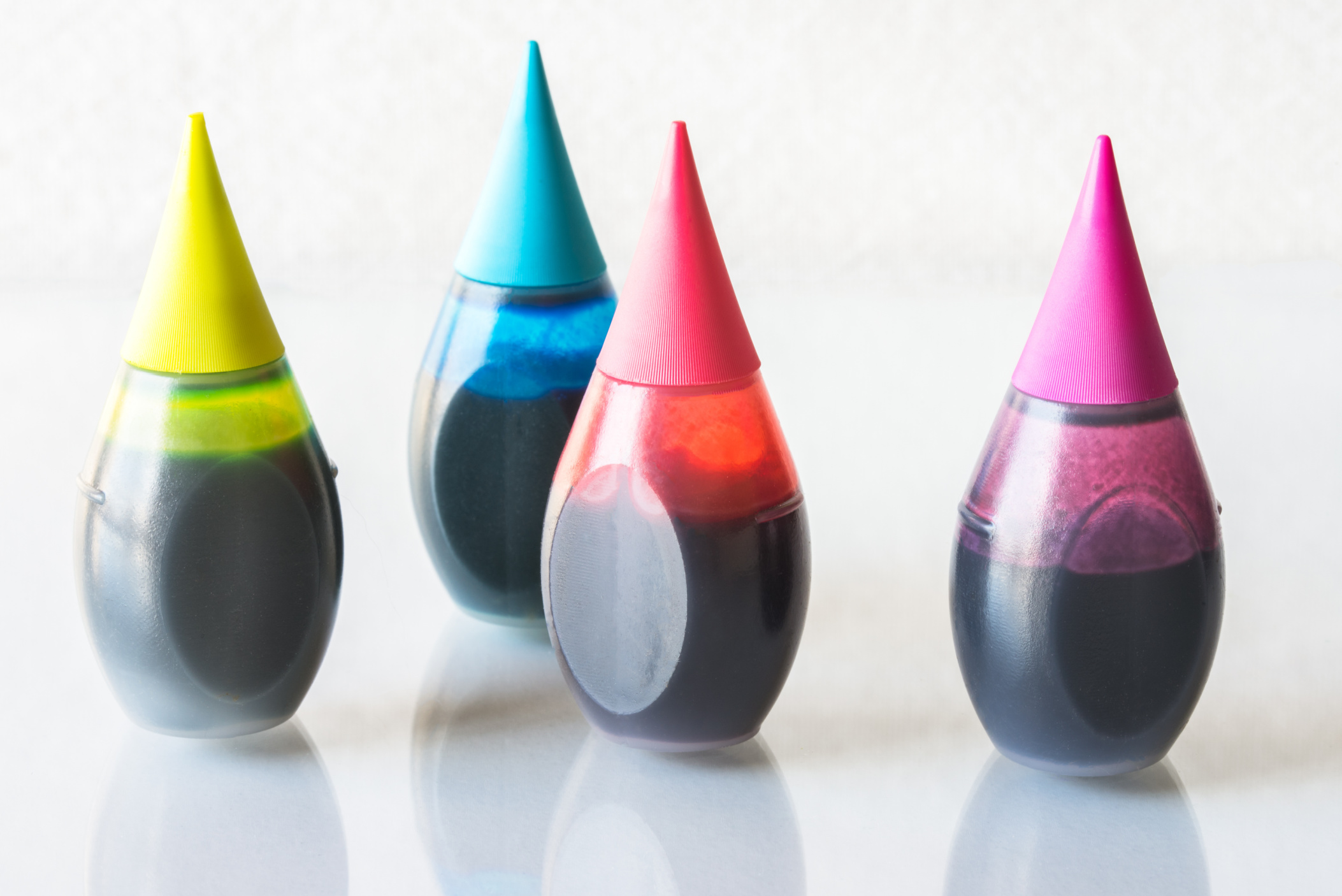
Michigan Targets Food Dyes
Health & Wellness

World Cup Energy Meets Summer Tradition
Dating
View All Content By Think American News Staff