Feb 13
Adobe Stock/Jay Koppelman
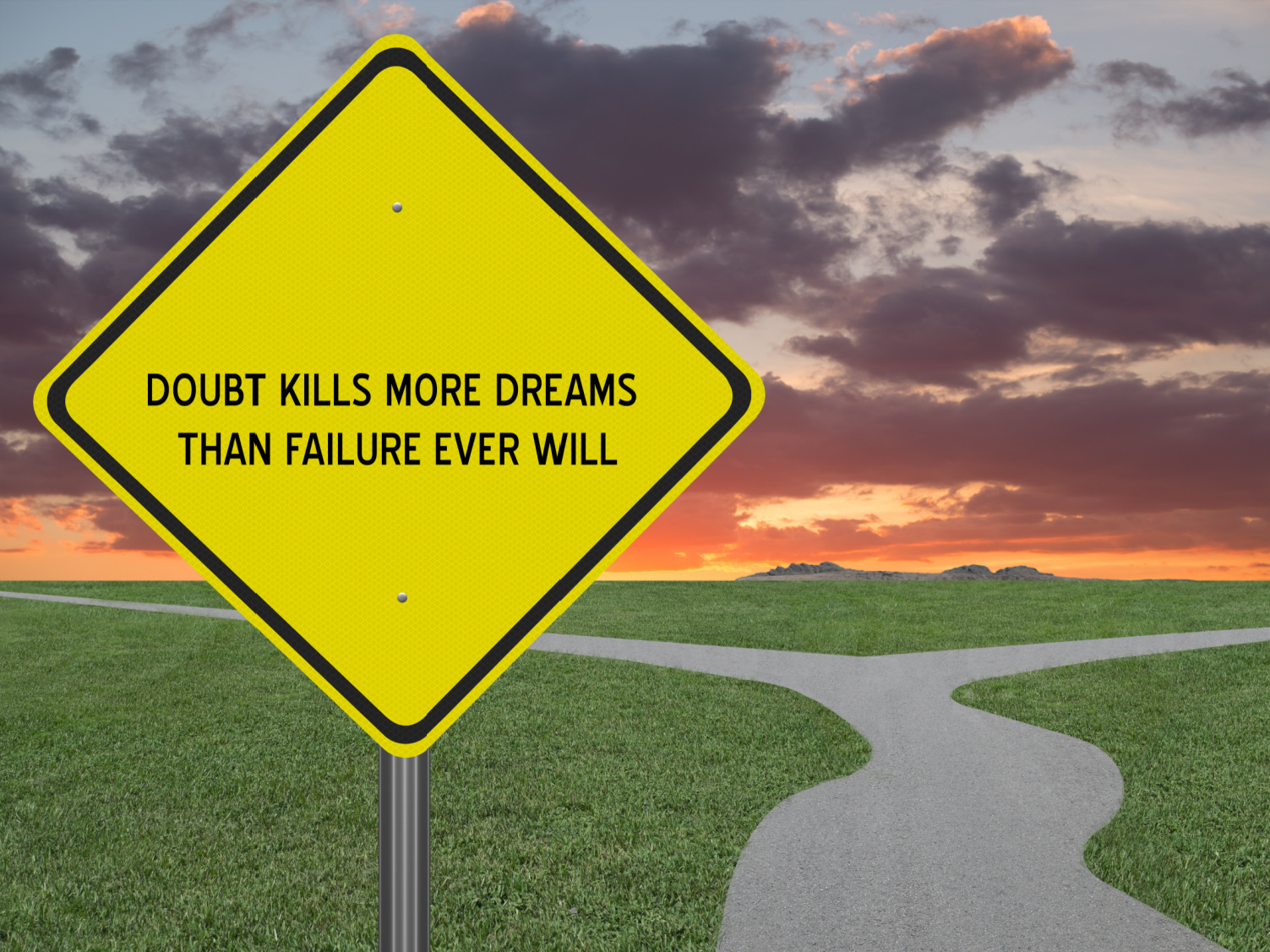
When Self-Doubt Is Actually a Strength
That familiar feeling of “I don’t deserve to be here” or “They’re going to find me out” has a name: imposter syndrome. While it’s uncomfortable, happiness expert and Harvard researcher Dr. Arthur C. Brooks says it may actually be a healthy sign. According to Brooks, people who are striving, growing, and earning opportunities often feel the most self-doubt—not because they’re unqualified, but because they are self-aware.
Why Imposter Syndrome Shows You Care
Brooks explains that people who work hard and take responsibility for their success are often the very ones who question whether they’ve earned it. In contrast, those who feel zero self-doubt can sometimes fall into unhealthy traits like narcissism or manipulation. Feeling like an “imposter” can signal humility, reflection, and a desire to improve—qualities that support long-term growth and character.
Lean In Without Giving In
The key, Brooks says, is to lean into imposter syndrome without letting it control you. Self-doubt can become a powerful diagnostic tool, highlighting skills you want to build and areas where you can grow. Instead of using imposter syndrome as proof you don’t belong, use it as feedback about where to invest your energy next.
Turning Doubt Into Momentum
Healthy ambition often comes with an awareness of your own gaps. Others may see your strengths clearly, while you see both your progress and your unfinished work. Recognizing this imbalance can help you reframe imposter syndrome—not as evidence of failure, but as part of becoming more capable, grounded, and resilient over time. When handled well, self-doubt doesn’t hold you back—it can quietly push you forward.
RECENT

Why Visualization Is Not Optional—It’s Essential
Friday Fuel

Arizona House Cracks Down on Weapons Trafficking
In The States

Breaking the Cycle: Healing Patterns That Shape How We Love
Health & Wellness
Tragedy Fuels Push for Public Safety Changes in Indiana
In The States

Arizona Honors Deputies After Child Rescue
In The States
Wisconsin Lawmakers Push Forestry Revitalization Act
forestry
The Marriage Behind America’s Anthem
Legends of the American Spirit
PA Moves to Expand Access to Speech and Hearing Care
Health & Wellness

How to Make Your Weekend Count—No Big Plans Required
Dating
Moe Bandy Celebrates 45 Years of “Hey Joe, Hey Moe”
Entertainment
BE THE FIRST TO KNOW
Want to stay in the loop? Be the first to know! Sign up for our newsletter and get the latest stories, updates, and insider news delivered straight to your inbox.
More Content By
Think American News StaffArizona House Cracks Down on Weapons Trafficking
In The States
Tragedy Fuels Push for Public Safety Changes in Indiana
In The States
Arizona Honors Deputies After Child Rescue
In The States
Wisconsin Lawmakers Push Forestry Revitalization Act
forestry
The Marriage Behind America’s Anthem
Legends of the American Spirit
PA Moves to Expand Access to Speech and Hearing Care
Health & Wellness
How to Make Your Weekend Count—No Big Plans Required
Dating
Moe Bandy Celebrates 45 Years of “Hey Joe, Hey Moe”
Entertainment

Military Kids Day Highlights Service at Kentucky Capitol
In Service
Arizona Remembers Noel Campbell, a Leader Defined by Duty
In The States
View All Content By Think American News Staff