Apr 09
Adobe Stock/anoushkatoronto
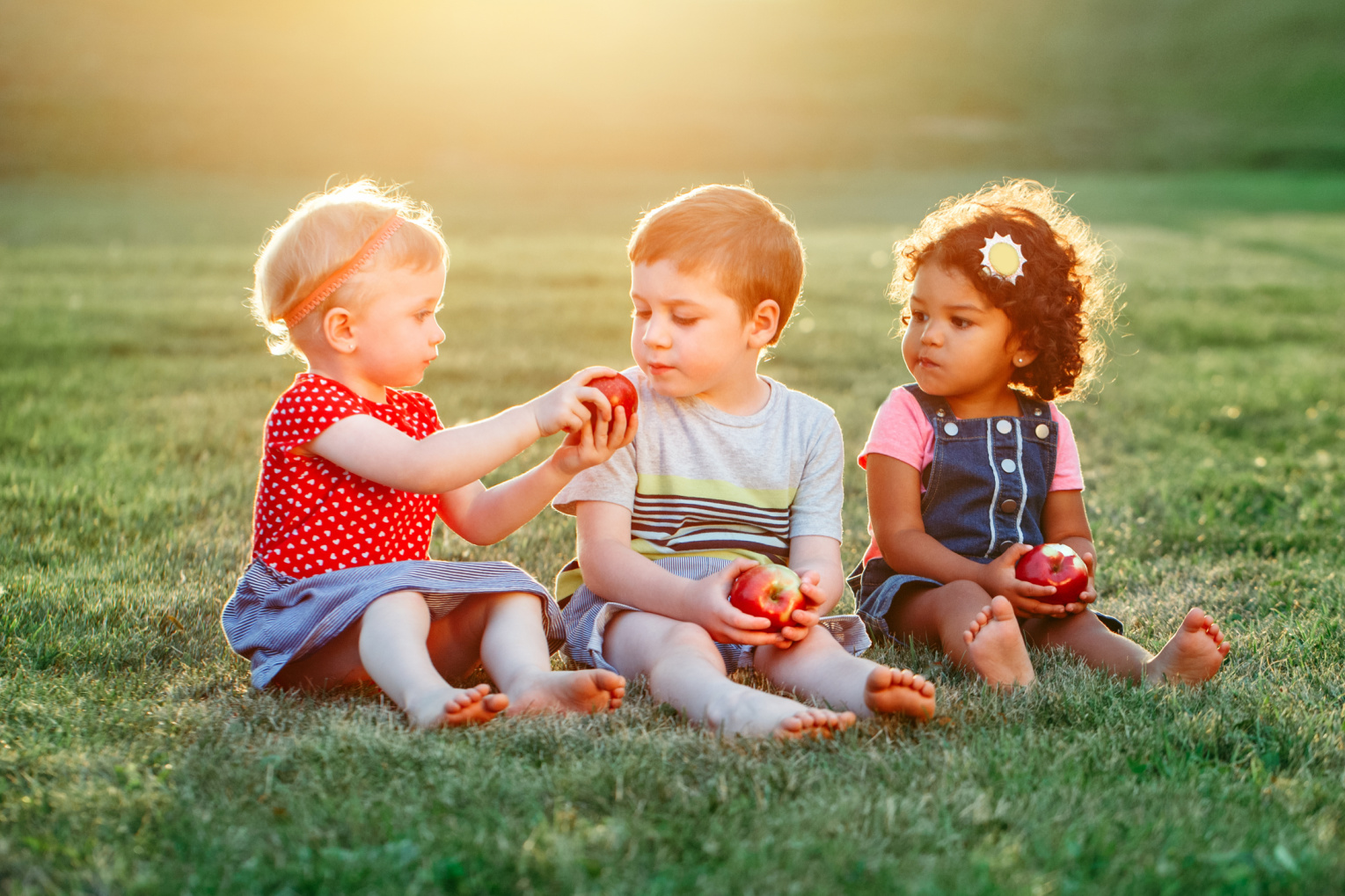
Why Giving Feels Good—Even for Toddlers
Happier When Giving, Not Getting
Researchers found that toddlers actually show more happiness when giving treats to others than when receiving treats themselves. The study, published in Developmental Science, suggests that even at just 16 to 24 months old, children experience a genuine emotional reward from acts of generosity.
The Science Behind Kindness
To better understand this behavior, researchers observed 134 toddlers in a controlled setting. Children were given treats and then asked to either keep them, give them away, or watch someone else give.
The results were clear: toddlers were consistently happiest when they personally gave a treat to someone else—even when it meant giving up something of their own.
More Than Just Following Instructions
Importantly, the study ruled out the idea that children were simply responding to adult direction. Toddlers were happier giving than keeping—even when both actions were guided by the same instructions.
They also showed more joy when actively participating in giving, rather than just watching someone else be generous. This suggests that the act of kindness itself—not just the outcome—is what creates the positive feeling.
A Natural “Warm Glow”
Researchers point to what psychologists call a “warm glow”—a positive emotional response tied to helping others. This feeling may be what encourages people to continue acting generously throughout life.
And according to this study, that feedback loop starts much earlier than previously understood.
Why It Matters
These findings highlight something universal: kindness isn’t just taught—it’s part of who we are.
Even before children fully understand the world around them, they’re already discovering that giving feels good.
Because sometimes, the simplest truth is also the most powerful—helping others helps us, too.
RECENT

Meet Taylor Mieszkuc: A Rising Voice with “Matches”
Entertainment

Kentucky Acts on School Violence
Education

Ray Stevens Recovering After Fall
Entertainment

Newton Strips It Back
Entertainment

KY Invests in Autism Care
autism

Filibuster Fight Divides GOP
Politics

Indiana Delivers Veteran Relief
In Service
Wisconsin Bets Big on Forestry Future
In The States

A Dog’s Last Lesson
animals
Classic Country Duo Earns Top Honor
Entertainment
BE THE FIRST TO KNOW
Want to stay in the loop? Be the first to know! Sign up for our newsletter and get the latest stories, updates, and insider news delivered straight to your inbox.
More Content By
Think American News StaffKentucky Acts on School Violence
Education
Ray Stevens Recovering After Fall
Entertainment
Newton Strips It Back
Entertainment
KY Invests in Autism Care
autism
Filibuster Fight Divides GOP
Politics
Indiana Delivers Veteran Relief
In Service
Wisconsin Bets Big on Forestry Future
In The States
Classic Country Duo Earns Top Honor
Entertainment

Speaker Matt Hall Promotes Student Literacy
Education
Chávez Day Under Review in Arizona
History
View All Content By Think American News Staff