Dec 14
Adobe Stock/nicoletaionescu
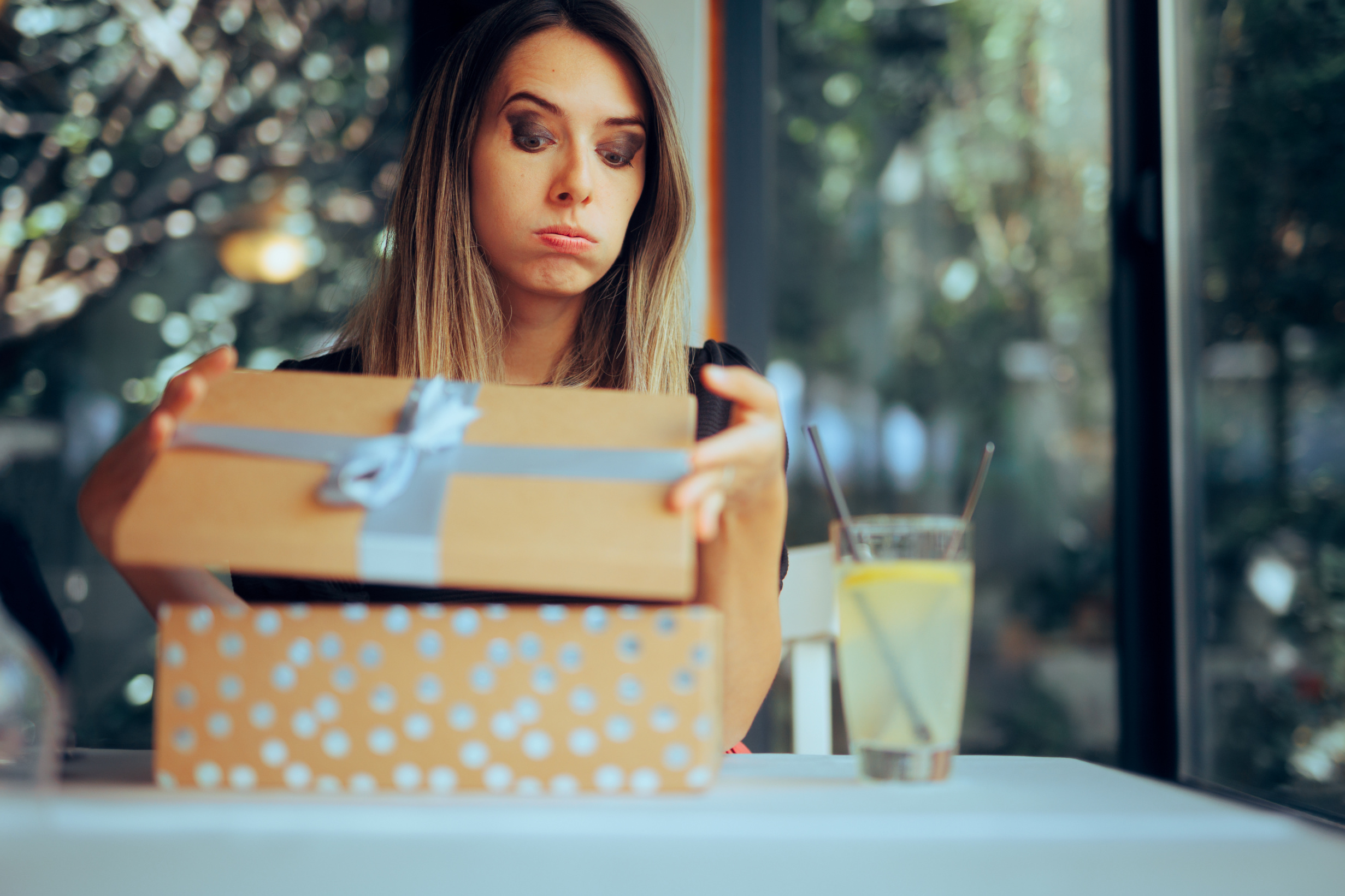
When a Thoughtful Gift Backfires
The holidays are meant to be filled with warmth, laughter, and meaningful moments—but even the most well-intended gifts can miss the mark. According to recent research, one popular present consistently lands at the top of the “please don’t give me this” list: the self-help book.
The Gift People Don’t Want
A nationwide survey commissioned by BetMGM Casino found that self-help books are the most unwanted and frequently re-gifted Christmas presents. While items like ill-fitting clothing or generic socks also ranked poorly, self-help titles topped the list by a wide margin—suggesting something deeper than simple preference.
Why Self-Help Can Feel Personal
The issue isn’t the genre itself, but the message it can unintentionally send. When a self-help book is given unsolicited, it may come across as judgmental rather than encouraging—implying the recipient needs fixing. A book about stress, confidence, or productivity can feel less like a gift and more like an evaluation, even if that was never the giver’s intent.
When It Actually Works
Self-help books can be meaningful when there’s context. If someone has asked for a specific title, expressed interest in personal development, or already enjoys that genre, the gift can feel thoughtful and supportive. Shared interests matter—and so does timing.
Smarter, Safer Alternatives
If you’re unsure, there are plenty of ways to give the spirit of self-care without the risk. Hobby books, novels, subscriptions, or service-based gifts like meal delivery or cleaning help are typically better received. These options offer comfort and support without personal commentary.
The Takeaway
The lesson is simple: know your audience. Thoughtful gifts are about connection, not correction—and the best ones leave people feeling seen, not sized up.
RECENT
Anne Murray Offers Free Holiday Screening of Full Circle Documentary
Entertainment

This Arizona License Plate Does More Than Look Good
In The States
Griffo Pushes Hochul to Block Natural Gas Bill
Energy

Central Texas Unites to Honor Veteran
In Service

Inflation Is the Test—and Voters Are Grading Washington
Economy

Minnesota Focus: Clean Water and Trail Expansion
American Infra

Indiana Lawmaker Earns Local Easterseals Legislator of the Year Award
Disability Advocacy

Why Breed Doesn’t Predict Therapy Dog Success
Mans Best Friend

Where Country Stars and Christmas Wishes Meet
Entertainment

Arizona Weighs Parental Choice in Newborn Shots
Childhood
BE THE FIRST TO KNOW
Want to stay in the loop? Be the first to know! Sign up for our newsletter and get the latest stories, updates, and insider news delivered straight to your inbox.
More Content By
Think American News StaffAnne Murray Offers Free Holiday Screening of Full Circle Documentary
Entertainment
This Arizona License Plate Does More Than Look Good
In The States
Griffo Pushes Hochul to Block Natural Gas Bill
Energy
Central Texas Unites to Honor Veteran
In Service
Inflation Is the Test—and Voters Are Grading Washington
Economy
Minnesota Focus: Clean Water and Trail Expansion
American Infra
Indiana Lawmaker Earns Local Easterseals Legislator of the Year Award
Disability Advocacy
Where Country Stars and Christmas Wishes Meet
Entertainment
Arizona Weighs Parental Choice in Newborn Shots
Childhood
Alabama Draws Boundaries on Screen Time
Childhood
View All Content By Think American News Staff