Dec 22
Tennessee Considers Reviving a Classic Student Fitness Tradition
Adobe Stock/zinkevych
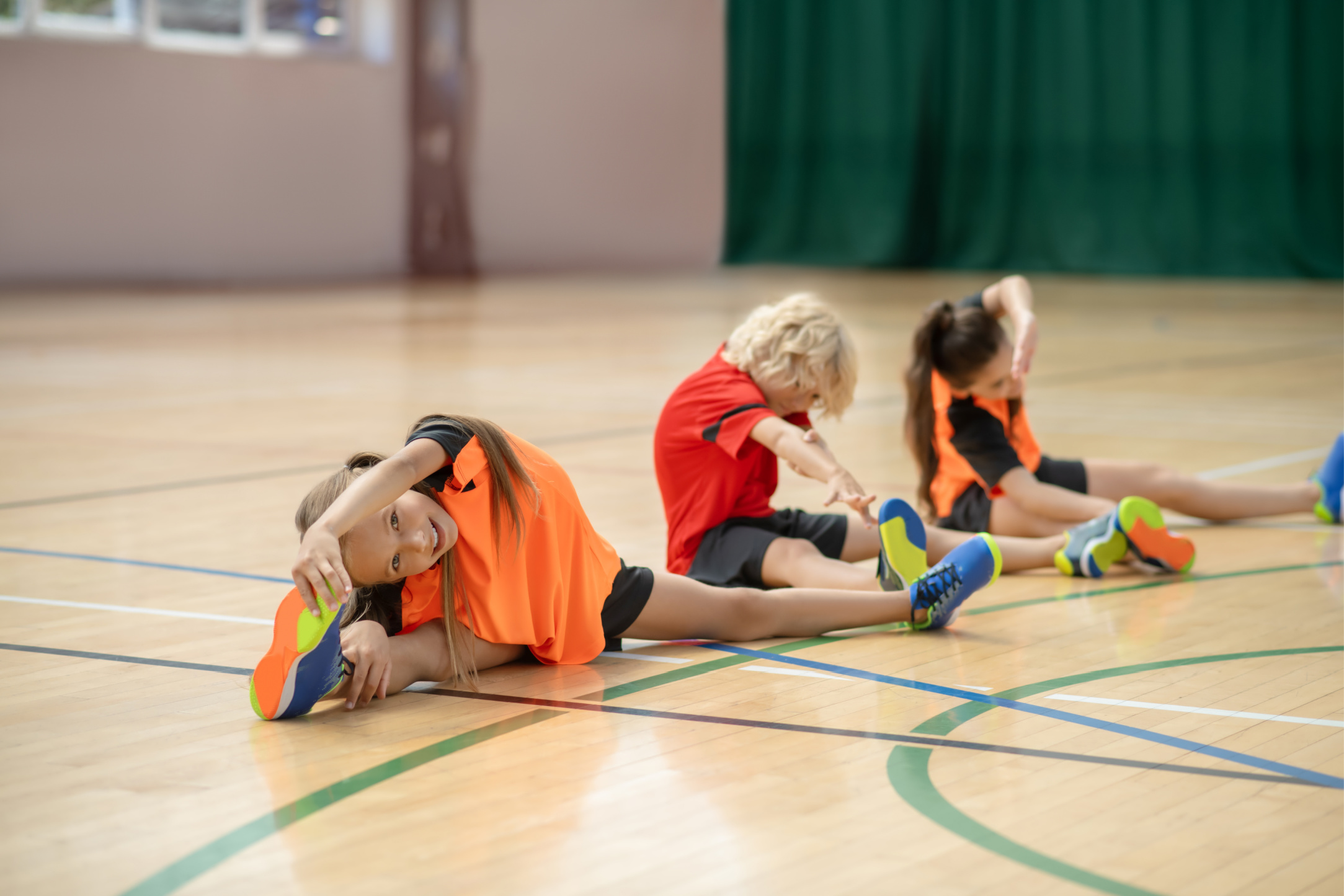
Tennessee Moves to Bring Back a Classic: Reviving the Presidential Fitness Test
Tennessee lawmakers are taking a step back to move students forward. A newly filed proposal in the Volunteer State aims to revive the iconic Presidential Fitness Test in public schools, tying student wellness to a long-standing national tradition that emphasized physical readiness, healthy competition, and civic pride.
State Rep. Scott Cepicky, introduced legislation this week that would require Tennessee public schools to administer the Presidential Fitness Test as part of their approach to student health and wellness. The proposal reflects a broader effort at both the state and national level to combat rising childhood obesity and encourage more active lifestyles among young Americans.
What the Proposal Would Do
The legislation, formally titled AN ACT to amend Tennessee Code Annotated, Title 49 and Title 68, relative to student health, would require each local education agency and public charter school to administer the Presidential Fitness Test to students. The test is designed to assess strength, endurance, and flexibility through a series of age-appropriate physical challenges.
Under the proposal, the Tennessee Department of Education would provide guidance to school districts and charter schools on how to administer the test, ensuring consistency across the state. Students who meet established benchmarks would be eligible for the Presidential Fitness Award, as set forth by the President’s Council on Sports, Fitness, and Nutrition.
Importantly, the measure includes safeguards. Students with individualized education programs would receive reasonable accommodations, and no student would be required to participate if doing so would be unsafe. Test performance would not negatively impact a student’s grade in any class, keeping the focus on wellness rather than academic pressure.
A National Tradition Reborn
The push in Tennessee follows a major federal move earlier this year. In July, Donald Trump signed an executive order reviving the Presidential Fitness Test nationwide. The program was originally established in 1956 under President Dwight D. Eisenhower and became a rite of passage for generations of American students before being discontinued during the 2012–13 school year.
The traditional test included familiar components such as a one-mile run, pull-ups or push-ups, sit-ups, a shuttle run, and a sit-and-reach flexibility test. For many adults, memories of gymnasiums, stopwatches, and the coveted Presidential Fitness Award certificate remain vivid decades later.
White House Press Secretary Karoline Leavitt said at the time that the president’s goal is to “create a culture of strength and excellence for years to come,” emphasizing that every young American should have the opportunity to develop healthy, active habits early in life.
Addressing a Growing Health Concern
Supporters of the Tennessee proposal point to sobering health data as a key motivation. Nearly 40 percent of Tennessee students were overweight or obese during the 2023–24 academic year, according to a joint report from the Tennessee Department of Health and the Tennessee Department of Education. Lawmakers argue that reversing this trend will require more than classroom instruction—it will require movement, consistency, and a renewed emphasis on physical education.
Rep. Cepicky framed the proposal as part of a broader strategy to improve student well-being. “Physical fitness is vital to improving the well-being of children across the Volunteer State,” he said, noting that the test brings back not only exercise, but also a sense of healthy competition and patriotism.
Building on Recent State Action
The fitness test proposal does not stand alone. Earlier this year, Cepicky successfully passed legislation increasing recess time for Tennessee students from 15 minutes per day to at least 40 minutes. That law was designed to promote physical activity, improve focus in the classroom, and support a more productive school day.
Together, the two efforts reflect a growing consensus among Tennessee Republicans that student health is directly tied to academic success, behavior, and long-term outcomes. By pairing increased daily movement with a standardized fitness assessment, supporters say schools can better encourage lifelong habits of activity and wellness.
What Comes Next
The legislation will be taken up when the second session of the 114th General Assembly convenes at noon on January 13. As chairman of the House Education Instruction Subcommittee, Cepicky is expected to play a central role in guiding the proposal through the legislative process.
If approved, Tennessee would become one of the first states to formally align state law with the revived Presidential Fitness Test, signaling a return to a familiar standard that once defined youth physical education across the country.
RECENT

Kentucky Senate Leader Pushes Back on Veto
Education

Weekend Adventures Await
Dating

Georgia Looks to Rewrite the Story on Early Reading
Education

Arizona House to Honor Crew of PCU Arizona
In Service

Classic Country Comes Alive on LIVE WIRE
Entertainment

Arizona House Toughens Sexual Extortion Law
In The States

Michigan Students Invited to Compete for “Representative for a Day”
Education

A Statewide Celebration of Stories, Learning, and Lifelong Literacy in Michigan
Education
Marcell Highlights Sextortion Prevention
In The States
How Frederick Douglass Helped Move America Forward
History
BE THE FIRST TO KNOW
Want to stay in the loop? Be the first to know! Sign up for our newsletter and get the latest stories, updates, and insider news delivered straight to your inbox.
More Content By
Think American News StaffKentucky Senate Leader Pushes Back on Veto
Education
Weekend Adventures Await
Dating
Georgia Looks to Rewrite the Story on Early Reading
Education
Arizona House to Honor Crew of PCU Arizona
In Service
Classic Country Comes Alive on LIVE WIRE
Entertainment
Arizona House Toughens Sexual Extortion Law
In The States
Michigan Students Invited to Compete for “Representative for a Day”
Education
A Statewide Celebration of Stories, Learning, and Lifelong Literacy in Michigan
Education
Marcell Highlights Sextortion Prevention
In The States
How Frederick Douglass Helped Move America Forward
History
View All Content By Think American News Staff