Mar 03
Adobe Stock/ARAMYAN

In an era when a smartphone can become both a lifeline and a weapon, Arizona lawmakers are working to ensure the law keeps pace with the dangers facing teenagers online.
House Bill 2666, sponsored by State Representative Pamela Carter of Legislative District 4, strengthens criminal penalties for adults who sexually extort older minors — specifically teens ages 15, 16, and 17. The measure cleared the Arizona House with overwhelming bipartisan support, passing 57-0-3 after moving through committee on an 8-0-1 vote.
The message from lawmakers was clear: exploiting teenagers online will carry serious consequences.
Closing a Dangerous Gap
Under current Arizona law, sexual extortion is generally classified as a class 3 felony when the victim is 15 or older. If the victim is under 15, however, the crime is elevated to a class 2 felony and punished as a dangerous crime against children.
HB 2666 narrows that distinction.
The bill reclassifies sexual extortion as a class 2 felony — the more serious designation — when the offender is at least 18 years old and knows or should have known that the victim is 15, 16, or 17 years old.
Supporters say the change reflects a simple reality: a 16- or 17-year-old can be just as vulnerable to coercion and digital manipulation as a younger child. The law, they argue, should reflect that vulnerability.
What Sexual Extortion Means Under Arizona Law
Arizona statute defines sexual extortion as knowingly communicating a threat with the intent to coerce someone into sexual contact, sexual intercourse, or into producing or displaying sexually explicit images.
That threat can take many forms — from threatening to damage property or harm a reputation, to distributing or threatening to distribute intimate images.
In today’s digital world, that often translates into text messages, social media posts, or direct messages designed to pressure teens into compliance under fear of humiliation or exposure.
HB 2666 focuses squarely on adult offenders targeting older minors, upgrading the charge when the perpetrator is 18 or older and aware — or reasonably should be aware — of the teen’s age.
Stronger Sentencing, No Loopholes
The legislation does more than change the classification.
It requires that any sentence imposed under the upgraded offense run consecutively to any other sentence for sexual extortion. In practical terms, that means offenders would serve those sentences back-to-back, not simultaneously.
The bill also makes clear that individuals convicted under this provision are not eligible for suspension of sentence, probation, pardon, or release from confinement on any basis except as specifically authorized under existing law.
Under current statute, the Director of the Arizona Department of Corrections, Rehabilitation and Reentry may authorize temporary removal from custody only in limited circumstances, such as work release, medical research, compassionate leave, preparatory community reentry, or disaster aid.
According to the Senate fact sheet, the legislation carries no anticipated fiscal impact to the state’s General Fund.
A Bipartisan Stand for Teen Protection
The near-unanimous vote in the House signals broad agreement across party lines that online sexual coercion demands a strong response.
While the bill is sponsored by a Republican lawmaker, its overwhelming support reflects a shared understanding: technology has changed the terrain, and the law must adapt accordingly.
HB 2666 does not create a new crime. Instead, it recalibrates the consequences when adults exploit teens in digital spaces, reinforcing the state’s position that coercion, manipulation, and threats aimed at minors will be met with serious accountability.
As the bill advances in the legislative process, Arizona lawmakers have sent a clear signal — that when adults target teenagers online, the penalties should reflect the gravity of the harm.
RECENT

Heather Jenkins and The Power of Intentional Rest
Health & Wellness
Arizona Extends Farm Water Fee Relief
In The States
Michigan Storm Recovery Gets Bipartisan Federal Boost
In The States

Canada Says Goodbye To Country Gentleman Tommy Hunter
Entertainment
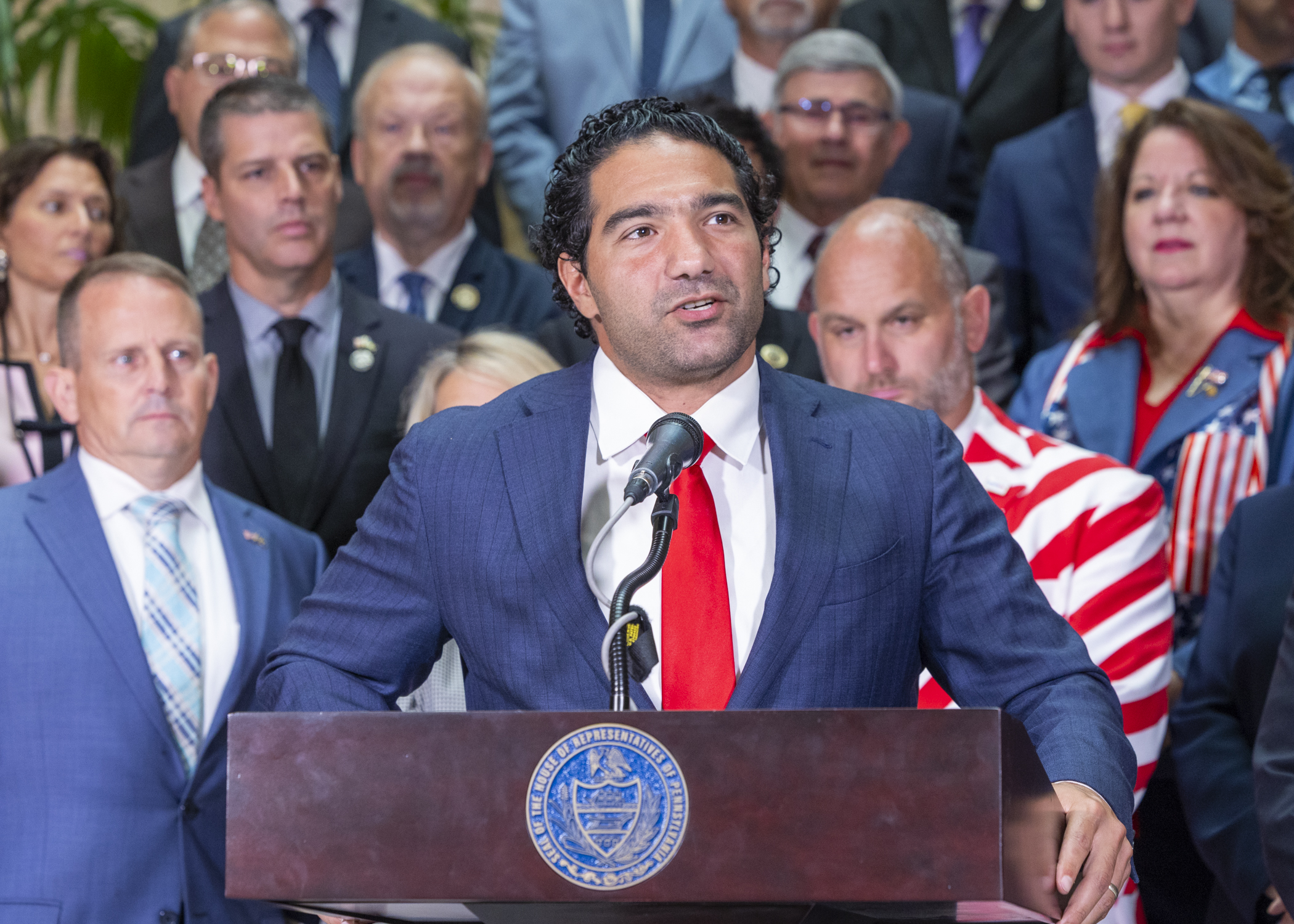
PA Lawmakers Focus on Energy
Energy

America’s 250th Turns the Weekend Into Something Bigger
Travel

Before You Reach for That Snack, Drink a Glass of Water
Friday Fuel

A Country Toast to America at 250
America

Summer Wellness Challenge to Help You Feel Your Best
Health & Wellness

Sybil Ludington Rides Home for America’s 250th
In The States
BE THE FIRST TO KNOW
Want to stay in the loop? Be the first to know! Sign up for our newsletter and get the latest stories, updates, and insider news delivered straight to your inbox.
More Content By
Think American News Staff
Kentucky Bridge Project Gets $24M Boost
American Infra
Arizona Extends Farm Water Fee Relief
In The States
Michigan Storm Recovery Gets Bipartisan Federal Boost
In The States
Canada Says Goodbye To Country Gentleman Tommy Hunter
Entertainment
PA Lawmakers Focus on Energy
Energy
America’s 250th Turns the Weekend Into Something Bigger
Travel
A Country Toast to America at 250
America
Sybil Ludington Rides Home for America’s 250th
In The States

Michigan Targets Food Dyes
Health & Wellness

World Cup Energy Meets Summer Tradition
Dating
View All Content By Think American News Staff