May 12
Wisconsin Lawmakers Strike Deal on Taxes and Schools
Adobe Stock/focus_bell

Wisconsin lawmakers and Governor Tony Evers have reached a bipartisan agreement aimed at delivering tax relief, lowering property tax pressure, and increasing education funding — a deal Republican leaders say balances immediate taxpayer concerns with long-term fiscal responsibility.
The agreement comes after months of debate over how Wisconsin should use its budget surplus while addressing growing concerns over inflation, rising property taxes, and school funding pressures.
A Focus on Returning Money to Taxpayers
Republican lawmakers framed the package as a direct response to Wisconsin residents struggling with higher costs and increased financial strain on households.
“Over the last several months, our focus has been clear: return Wisconsin’s surplus to the hardworking taxpayers who created it while continuing to invest in key priorities like education and property tax relief,” August said in a statement. “This agreement delivers on that goal.”
Among the headline items in the agreement are statewide property tax relief measures and the elimination of income taxes on tips and overtime pay — proposals designed to put more money back into workers’ pockets.
The move to eliminate taxes on tips and overtime reflects a broader national conversation about how states can provide relief to hourly workers and service industry employees facing higher living expenses.
Property Tax Relief Takes Center Stage
One of the biggest drivers behind the agreement was growing concern over rising property values and the impact they have had on homeowners across Wisconsin.
While increased home values can strengthen personal wealth on paper, they have also translated into higher property tax burdens for many families. August acknowledged that pressure directly in his remarks.
“For many homeowners, rising property values have also meant growing property tax pressure,” he said. “This agreement helps address those concerns while maintaining Wisconsin’s strong fiscal position and a responsible approach to budgeting.”
Property tax relief has become a politically significant issue not just in Wisconsin, but across the country, as homeowners in many states continue to see tax bills rise alongside surging property assessments.
Historic Investment in Special Education
In addition to tax relief, the bipartisan package also includes what lawmakers described as a historic investment in special education funding.
School districts nationwide have increasingly warned about the financial challenges associated with providing specialized services and support for students with disabilities. Rising operational costs and staffing shortages have intensified those concerns in recent years.
Wisconsin lawmakers say the additional funding is intended to help schools better meet student needs while easing financial pressure on local districts.
The agreement’s education component may also help bridge longstanding partisan divides over how to balance taxpayer relief with public school investment.
Bipartisan Cooperation in a Divided Political Climate
The deal stands out in today’s political environment because it represents cooperation between a Democratic governor and Republican legislative leaders.
At a time when many statehouses and Washington remain deeply divided, Wisconsin leaders emphasized the importance of finding common ground on issues directly affecting families and taxpayers.
“Republicans fought hard to ensure this package focused on taxpayers, property tax relief, and long-term fiscal responsibility,” August said. “I’m proud we were able to come together on a bipartisan agreement that returns money to taxpayers, supports education, and delivers real results for Wisconsin families.”
RECENT

Heather Jenkins and The Power of Intentional Rest
Health & Wellness
Arizona Extends Farm Water Fee Relief
In The States
Michigan Storm Recovery Gets Bipartisan Federal Boost
In The States

Canada Says Goodbye To Country Gentleman Tommy Hunter
Entertainment
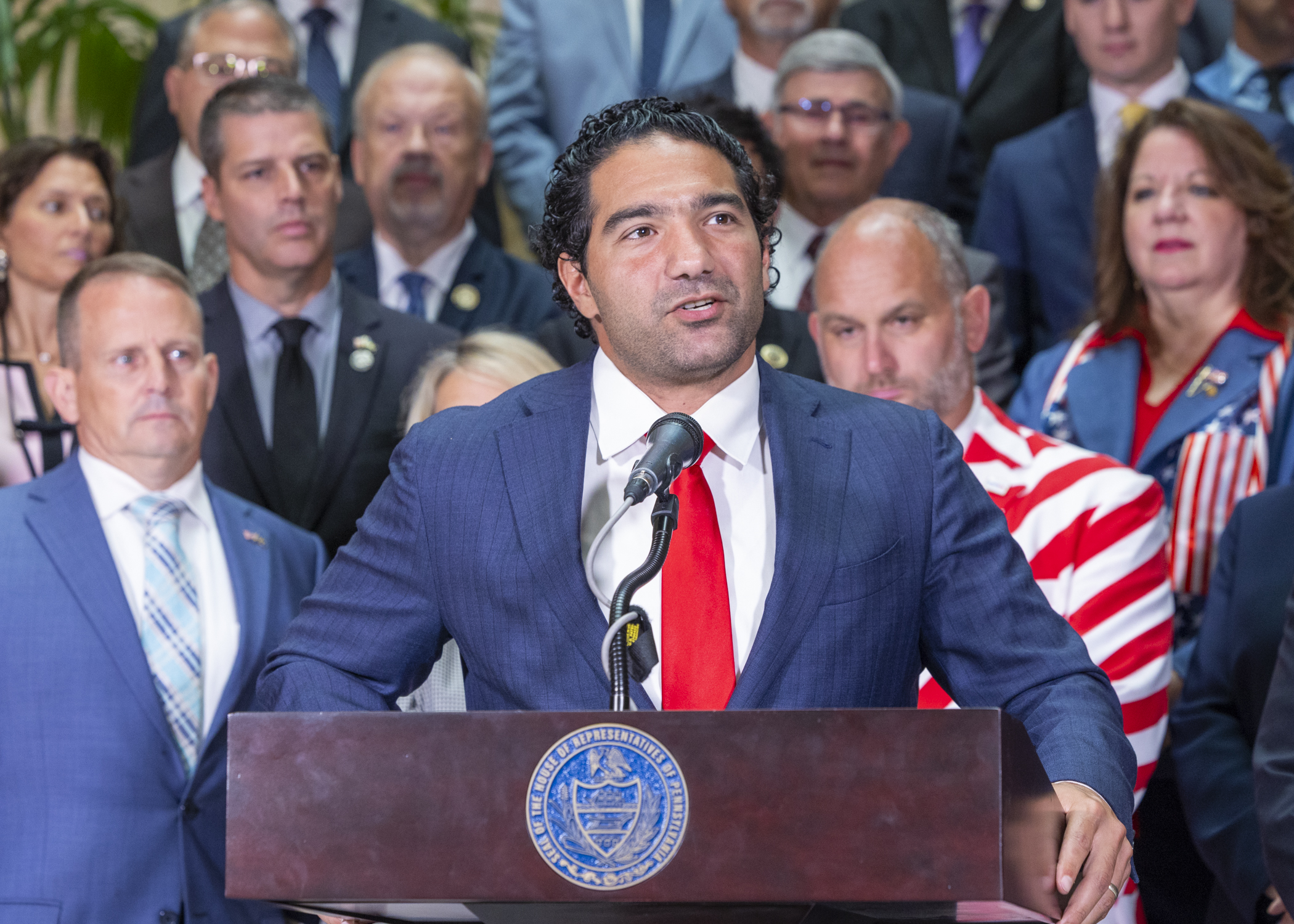
PA Lawmakers Focus on Energy
Energy

America’s 250th Turns the Weekend Into Something Bigger
Travel

Before You Reach for That Snack, Drink a Glass of Water
Friday Fuel

A Country Toast to America at 250
America

Summer Wellness Challenge to Help You Feel Your Best
Health & Wellness

Sybil Ludington Rides Home for America’s 250th
In The States
BE THE FIRST TO KNOW
Want to stay in the loop? Be the first to know! Sign up for our newsletter and get the latest stories, updates, and insider news delivered straight to your inbox.
More Content By
Think American News Staff
Kentucky Bridge Project Gets $24M Boost
American Infra
Arizona Extends Farm Water Fee Relief
In The States
Michigan Storm Recovery Gets Bipartisan Federal Boost
In The States
Canada Says Goodbye To Country Gentleman Tommy Hunter
Entertainment
PA Lawmakers Focus on Energy
Energy
America’s 250th Turns the Weekend Into Something Bigger
Travel
A Country Toast to America at 250
America
Sybil Ludington Rides Home for America’s 250th
In The States

Michigan Targets Food Dyes
Health & Wellness

World Cup Energy Meets Summer Tradition
Dating
View All Content By Think American News Staff