May 11
Office of Senator Mary Felzkowski
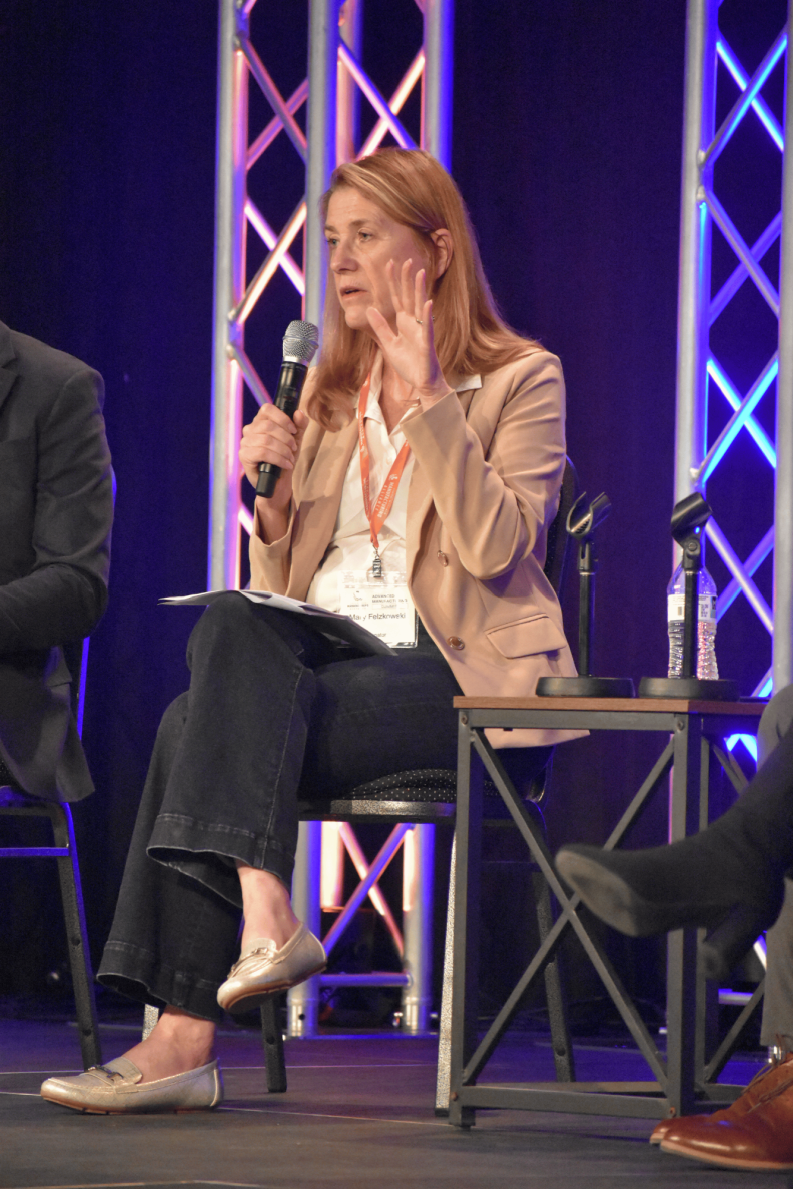
Wausau, Wisconsin may be best known for its strong manufacturing roots and hardworking communities, but at the Central Wisconsin Manufacturing Alliance Summit 2026, local lawmakers made it clear the region is also focused on building the future.
State Senator Mary Felzkowski, State Senator Cory Tomczyk, State Representative Brent Jacobson, State Representative Patrick Snyder, and State Representative Scott Krug came together for a bipartisan discussion focused on the issues shaping manufacturers and businesses across Central Wisconsin — and many of the challenges they discussed are being felt across the country.
A Workforce Challenge Facing America
One of the biggest topics during the summit was workforce development. Manufacturers throughout the region continue to face a familiar problem: there are jobs available, but not enough skilled workers to fill them.
Panelists discussed the importance of connecting students with career opportunities earlier, especially through partnerships between local schools, technical colleges, and employers. The conversation centered on preparing the next generation for careers that don’t always require a traditional four-year degree but can still provide long-term stability, competitive pay, and meaningful work.
Lawmakers emphasized that manufacturers today are looking for highly trained workers who can adapt to rapidly changing technology and production systems.
The discussion reflected a growing national trend as industries across the country work to close the skills gap while also reshaping perceptions around careers in manufacturing.
Keeping Young Families in Smaller Communities
Beyond workforce training, lawmakers also focused on another challenge facing many rural and mid-sized communities: attracting and retaining young professionals and families.
The panel highlighted the importance of creating strong communities where people want to build careers and raise families. That includes access to quality schools, safe neighborhoods, economic opportunity, and a sense of connection that many smaller communities pride themselves on offering.
Several lawmakers pointed to the fact that manufacturing careers can provide opportunities for young workers to stay in the communities where they grew up instead of feeling forced to relocate to larger cities.
The discussion underscored how economic development today is about more than just jobs. Communities are increasingly competing for talent, and quality of life has become just as important as salary when attracting younger generations.
Innovation and Technology Take Center Stage
Another major focus of the summit was helping businesses — particularly small and mid-sized manufacturers — remain competitive in a rapidly evolving economy.
Lawmakers discussed the need for policies that encourage innovation, investment, and growth while helping companies adopt new technologies without being left behind.
Manufacturing continues to evolve through automation, advanced equipment, artificial intelligence, and modern production systems. For smaller manufacturers, keeping pace with those changes can be difficult without the right support and partnerships.
The panel emphasized that helping businesses modernize is critical not only for Wisconsin’s economy, but for America’s broader manufacturing strength as global competition intensifies.
Bipartisan Cooperation Still Matters
While political division often dominates national headlines, the conversation in Wausau also highlighted the value of bipartisan cooperation when it comes to economic development and workforce solutions.
Lawmakers pointed to examples where working across party lines has helped move important initiatives forward for businesses and communities.
At a time when many Americans are frustrated by political gridlock, the summit offered a reminder that practical problem-solving at the state and local level still plays a major role in shaping economic growth.
The issues discussed in Central Wisconsin — workforce shortages, innovation, economic competitiveness, and community growth — are not unique to one region. They are challenges facing communities nationwide as America works to strengthen its manufacturing sector and prepare for the future.
RECENT

Heather Jenkins and The Power of Intentional Rest
Health & Wellness
Arizona Extends Farm Water Fee Relief
In The States
Michigan Storm Recovery Gets Bipartisan Federal Boost
In The States

Canada Says Goodbye To Country Gentleman Tommy Hunter
Entertainment
PA Lawmakers Focus on Energy
Energy

America’s 250th Turns the Weekend Into Something Bigger
Travel

Before You Reach for That Snack, Drink a Glass of Water
Friday Fuel

A Country Toast to America at 250
America

Summer Wellness Challenge to Help You Feel Your Best
Health & Wellness

Sybil Ludington Rides Home for America’s 250th
In The States
BE THE FIRST TO KNOW
Want to stay in the loop? Be the first to know! Sign up for our newsletter and get the latest stories, updates, and insider news delivered straight to your inbox.
More Content By
Think American News Staff
Kentucky Bridge Project Gets $24M Boost
American Infra
Arizona Extends Farm Water Fee Relief
In The States
Michigan Storm Recovery Gets Bipartisan Federal Boost
In The States
Canada Says Goodbye To Country Gentleman Tommy Hunter
Entertainment
PA Lawmakers Focus on Energy
Energy
America’s 250th Turns the Weekend Into Something Bigger
Travel
A Country Toast to America at 250
America
Sybil Ludington Rides Home for America’s 250th
In The States

Michigan Targets Food Dyes
Health & Wellness

World Cup Energy Meets Summer Tradition
Dating
View All Content By Think American News Staff