May 04
Adobe Stock/Michael Flippo
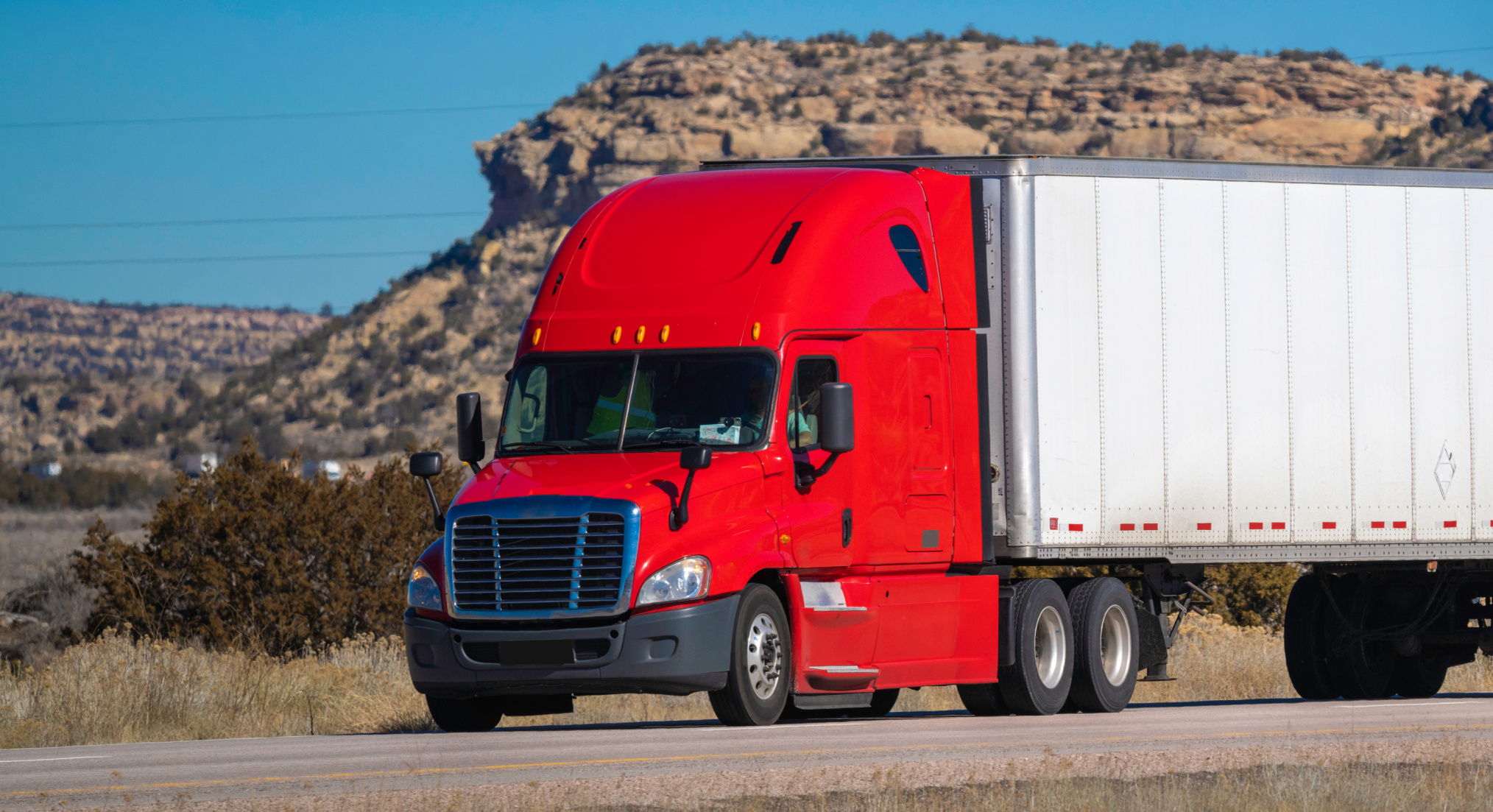
Tennessee lawmakers have approved new legislation aimed at tightening safety standards for commercial drivers, placing renewed focus on a long-standing but often overlooked requirement: the ability to read and speak English on America’s roads.
The measure, sponsored by State Rep. Lowell Russell, would require law enforcement officers to take immediate action when a commercial driver cannot meet federal English proficiency standards. Specifically, drivers who are unable to read road signs, communicate with the public, or respond to official inquiries could be placed out of service on the spot.
A Common-Sense Safety Standard
At its core, the legislation reinforces a requirement that already exists at the federal level. Commercial drivers are expected to demonstrate enough English proficiency to safely operate their vehicles and interact with officials when necessary.
This bill doesn’t create a new rule—it strengthens enforcement of one that’s already on the books.
Why It Matters at Highway Speeds
The stakes are high. Commercial vehicles can weigh up to 80,000 pounds and travel at highway speeds, meaning even a small mistake can have devastating consequences.
“These drivers are responsible for operating vehicles weighing up to 80,000 pounds at highway speeds and they must be able to read road signs and communicate effectively,” Russell said. “This bill ensures Tennessee law enforcement can take immediate action when a driver cannot meet that standard and protect everyone on the road.”
What Happens During an Inspection
Under the proposal, enforcement would happen in real time. If a driver is stopped and cannot demonstrate sufficient English proficiency, an officer must issue an out-of-service order.
That means the vehicle cannot continue operating until a qualified driver is available to take over—an immediate safeguard designed to prevent potential accidents before they happen.
CDL Suspension and the Path Back
The legislation also outlines what happens next for drivers who are taken off the road. A commercial driver’s license (CDL) would be suspended until the driver can pass the written CDL test in English through the Tennessee Department of Safety and Homeland Security.
This creates a clear, measurable path for drivers to regain their credentials while ensuring they meet the required standard.
Federal Alignment and Funding Concerns
Importantly, the bill is structured to align with federal regulations. It will only take effect once federal authorities confirm that state-level enforcement won’t put transportation funding at risk.
That safeguard reflects the balance states must strike between enforcing safety standards and maintaining access to federal resources.
Recent Incidents Driving the Conversation
The push for stronger enforcement comes amid several high-profile incidents that have raised concerns about whether standards are being consistently applied.
Earlier this year, a commercial driver was involved in a fatal crash in Indiana that killed four people after allegedly failing to brake and swerving into oncoming traffic. In Missouri, another driver was pulled over for traveling the wrong way on a highway and later failed an English proficiency test, with authorities noting he could not identify basic road signs.
Concerns Closer to Home
In Tennessee, similar worries have been voiced by constituents and law enforcement. Russell pointed to crashes along State Route 68 in eastern Tennessee, where reports indicated some drivers involved could not read road signs.
A Broader National Conversation
While the legislation is specific to Tennessee, it taps into a wider national discussion about consistency in commercial driver licensing and enforcement.
Federal rules already require English proficiency, but how those standards are applied can vary. Tennessee’s approach signals a desire for more uniform enforcement—something that could have ripple effects beyond state lines.
What Comes Next
The bill now heads to Gov. Bill Lee’s desk for his signature. If approved—and once federal authorization is secured—it would give Tennessee law enforcement clearer authority to act when safety standards are not met.
For drivers, trucking companies, and everyday Americans sharing the road, the goal is straightforward: safer highways, clearer communication, and fewer preventable tragedies.
RECENT

Heather Jenkins and The Power of Intentional Rest
Health & Wellness

Arizona Extends Farm Water Fee Relief
In The States
Michigan Storm Recovery Gets Bipartisan Federal Boost
In The States

Canada Says Goodbye To Country Gentleman Tommy Hunter
Entertainment
PA Lawmakers Focus on Energy
Energy

America’s 250th Turns the Weekend Into Something Bigger
Travel

Before You Reach for That Snack, Drink a Glass of Water
Friday Fuel

A Country Toast to America at 250
America

Summer Wellness Challenge to Help You Feel Your Best
Health & Wellness

Sybil Ludington Rides Home for America’s 250th
In The States
BE THE FIRST TO KNOW
Want to stay in the loop? Be the first to know! Sign up for our newsletter and get the latest stories, updates, and insider news delivered straight to your inbox.
More Content By
Think American News Staff
Kentucky Bridge Project Gets $24M Boost
American Infra
Arizona Extends Farm Water Fee Relief
In The States
Michigan Storm Recovery Gets Bipartisan Federal Boost
In The States
Canada Says Goodbye To Country Gentleman Tommy Hunter
Entertainment
PA Lawmakers Focus on Energy
Energy
America’s 250th Turns the Weekend Into Something Bigger
Travel
A Country Toast to America at 250
America
Sybil Ludington Rides Home for America’s 250th
In The States

Michigan Targets Food Dyes
Health & Wellness

World Cup Energy Meets Summer Tradition
Dating
View All Content By Think American News Staff