Jan 17
Adobe Stock/Tomas Ragina
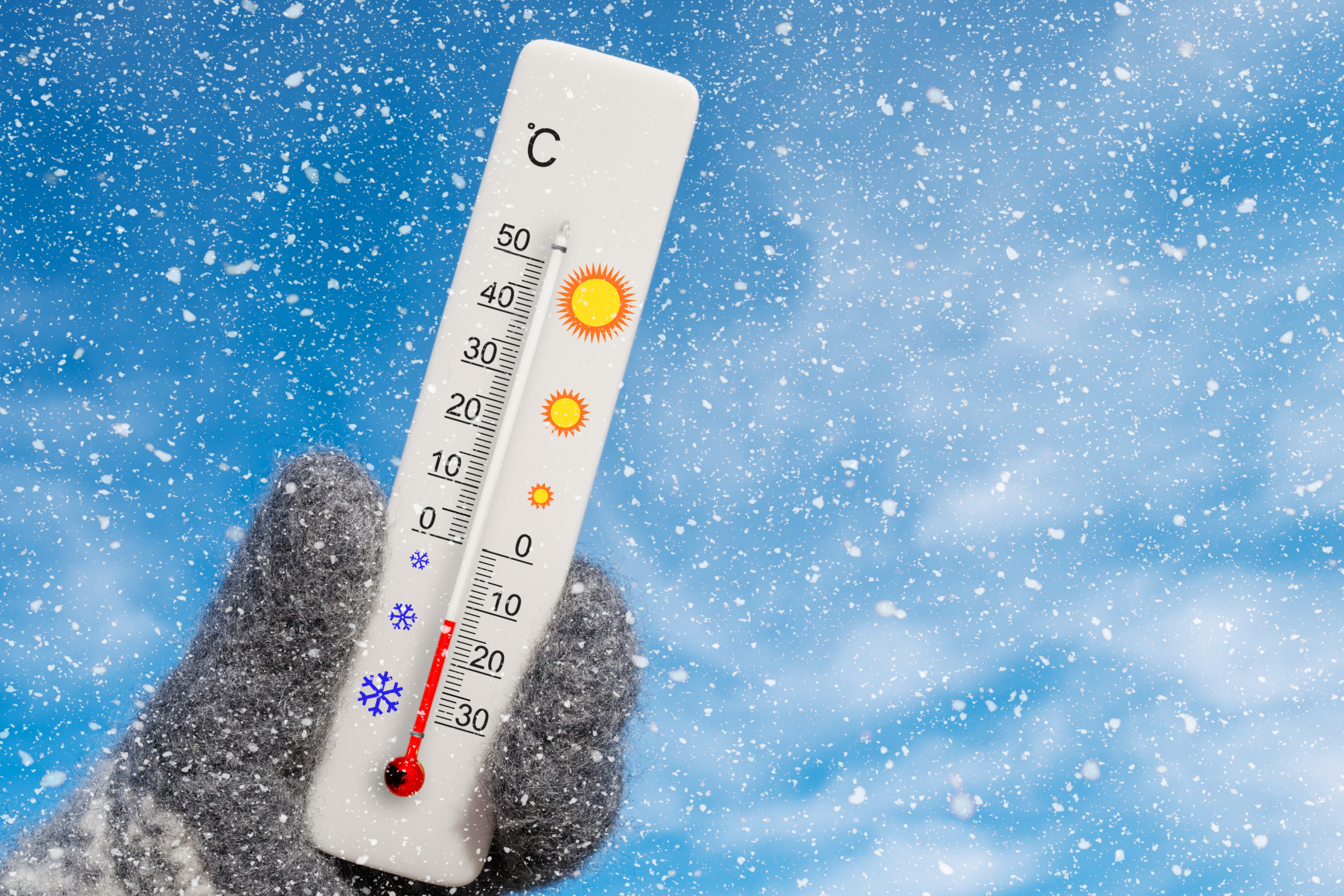
Cold Weather Is More Dangerous Than It Looks
When Americans think about deadly weather, extreme heat or hurricanes often come to mind. But statistically, cold weather causes more fatalities each year in the United States than heat. January, typically the coldest month across much of the country, plays a significant role in that reality.
Unlike heat-related illness, which often receives public attention and warnings, cold-related dangers are quieter and frequently underestimated. Hypothermia, frostbite, carbon monoxide poisoning, and winter travel accidents all peak during January.
Why January Poses the Greatest Risk
January combines the lowest average temperatures with shortened daylight hours, increased travel, and winter fatigue. Prolonged exposure to cold—even at temperatures that don’t feel extreme—can be dangerous, particularly for older adults, young children, and people with underlying health conditions.
Cold weather also places strain on the cardiovascular system. Blood vessels constrict to conserve heat, increasing blood pressure and the risk of heart-related complications. This makes winter especially hazardous for individuals with heart disease.
Winter Storms Multiply the Danger
Snowstorms and ice events don’t just affect visibility and road conditions—they disrupt daily life. Power outages during winter storms can remove access to heat, lighting, and communication, turning already cold conditions into life-threatening situations.
Carbon monoxide poisoning becomes more common in January as people rely on alternative heating sources like generators, fireplaces, or gas appliances used improperly or without ventilation. These dangers often occur indoors, where people expect to be safe.
Travel and Human Behavior Matter
January sees increased roadway accidents due to icy conditions, reduced traction, and overconfidence behind the wheel. Cold temperatures also slow reaction times and impair judgment, increasing the likelihood of accidents.
Another factor is underestimation. People often dress inadequately for short trips outdoors, assuming brief exposure isn’t dangerous. In reality, hypothermia can begin in cool—not just freezing—temperatures, especially when wind or moisture is involved.
Preparedness Saves Lives
The most dangerous outcomes of January weather are often preventable. Proper winter clothing, attention to weather forecasts, safe heating practices, and checking on neighbors—especially older adults—significantly reduce risk.
January serves as a reminder that resilience during winter isn’t dramatic. It’s practical. Awareness, preparation, and caution turn one of the year’s most dangerous months into a manageable one.
RECENT

Arizona Targets Youth Nicotine Sales
Health & Wellness

Kentucky Senate Leader Pushes Back on Veto
Education

Weekend Adventures Await
Dating

Georgia Looks to Rewrite the Story on Early Reading
Education

Arizona House to Honor Crew of PCU Arizona
In Service

Classic Country Comes Alive on LIVE WIRE
Entertainment

Arizona House Toughens Sexual Extortion Law
In The States

Michigan Students Invited to Compete for “Representative for a Day”
Education

A Statewide Celebration of Stories, Learning, and Lifelong Literacy in Michigan
Education
Marcell Highlights Sextortion Prevention
In The States
BE THE FIRST TO KNOW
Want to stay in the loop? Be the first to know! Sign up for our newsletter and get the latest stories, updates, and insider news delivered straight to your inbox.
More Content By
Think American News StaffArizona Targets Youth Nicotine Sales
Health & Wellness
Kentucky Senate Leader Pushes Back on Veto
Education
Weekend Adventures Await
Dating
Georgia Looks to Rewrite the Story on Early Reading
Education
Arizona House to Honor Crew of PCU Arizona
In Service
Classic Country Comes Alive on LIVE WIRE
Entertainment
Arizona House Toughens Sexual Extortion Law
In The States
Michigan Students Invited to Compete for “Representative for a Day”
Education
A Statewide Celebration of Stories, Learning, and Lifelong Literacy in Michigan
Education
Marcell Highlights Sextortion Prevention
In The States
View All Content By Think American News Staff