Jun 20
Adobe Stock/VectorMine

Ever wonder why your stomach flips before a first date, a big presentation, or exciting news?
That fluttery feeling isn’t just in your head.
In fact, your brain and your stomach are having a conversation—and science explains why.
Whether it’s nerves before a job interview, anticipation before a vacation, or excitement before seeing someone special, those “butterflies” are a real physical response. And they reveal just how connected our minds and bodies truly are.
Your Brain and Stomach Are Constantly Communicating
The digestive system and the brain are linked by a network of nerves, hormones, and chemical signals. One of the most important connections is the vagus nerve, which acts like a two-way communication highway between the brain and the gut.
Because of this connection, emotions don’t just stay in your mind.
They affect your body.
That’s why feelings like stress, excitement, anxiety, or anticipation can all produce physical sensations in your stomach.
Scientists sometimes refer to the gut as the body’s “second brain” because it contains hundreds of millions of nerve cells that help regulate digestion and communicate with the central nervous system.
The Fight-or-Flight Response Takes Over
When your brain senses something important—a challenge, an opportunity, or even excitement—it activates the body’s fight-or-flight response.
This triggers the release of adrenaline.
Adrenaline prepares the body for action by increasing heart rate and redirecting blood flow away from less urgent functions, including digestion. Instead, blood is sent to the muscles and other systems needed to react quickly.
The result?
That fluttery, uneasy sensation we call butterflies.
Ironically, your stomach isn’t malfunctioning.
It’s responding exactly the way your body was designed to.
Excitement and Anxiety Feel Surprisingly Similar
Here’s where things get interesting.
Your body often reacts to excitement and anxiety in nearly the same way.
A first date.
A championship game.
Good news.
Public speaking.
A roller coaster.
All of these situations can trigger butterflies because your brain recognizes them as important events.
The body doesn’t always distinguish between fear and excitement—it simply knows something meaningful is happening.
That’s why nervous energy and joyful anticipation can sometimes feel almost identical.
Your “Second Brain” Is Remarkable
Researchers continue to learn more about the gut-brain connection and how deeply it influences mood, emotions, and overall health.
In fact, many neurotransmitters involved in happiness and well-being, including serotonin, are found largely in the digestive system.
That’s one reason why stress can upset your stomach—and why emotional well-being plays such an important role in physical health.
Your mind and body aren’t separate systems.
They’re partners.
A Reminder That We’re Wonderfully Connected
The next time you feel butterflies in your stomach, remember that your body is simply responding to something that matters.
Maybe it’s love.
Maybe it’s excitement.
Maybe it’s a challenge worth taking.
Those butterflies are more than nerves.
They’re a reminder that we’re human.
And sometimes, the moments that make us feel the most alive are the very ones that make our stomachs flutter.
RECENT

Heather Jenkins and The Power of Intentional Rest
Health & Wellness

Arizona Extends Farm Water Fee Relief
In The States
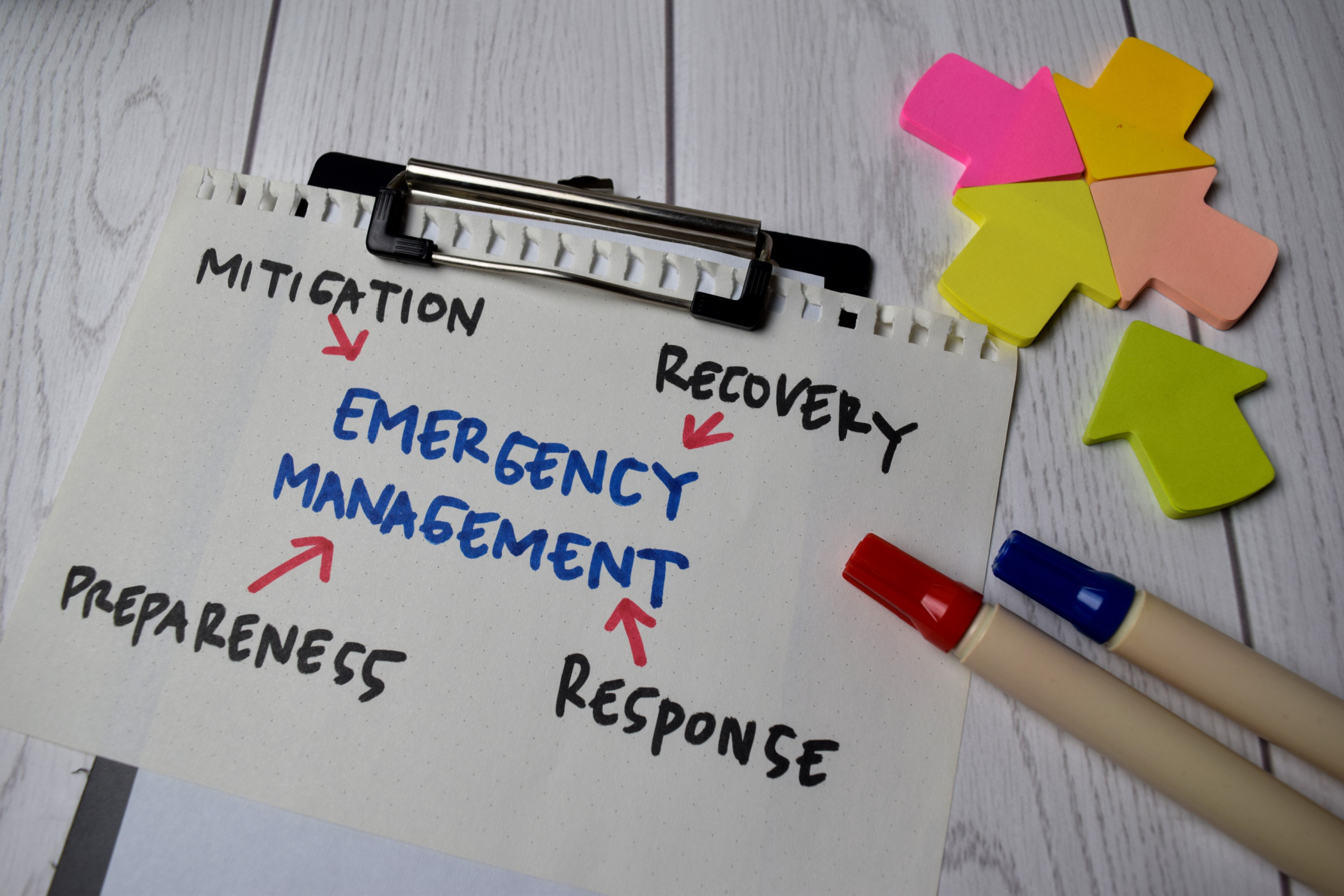
Michigan Storm Recovery Gets Bipartisan Federal Boost
In The States

Canada Says Goodbye To Country Gentleman Tommy Hunter
Entertainment

PA Lawmakers Focus on Energy
Energy

America’s 250th Turns the Weekend Into Something Bigger
Travel
Before You Reach for That Snack, Drink a Glass of Water
Friday Fuel

A Country Toast to America at 250
America

Summer Wellness Challenge to Help You Feel Your Best
Health & Wellness

Sybil Ludington Rides Home for America’s 250th
In The States
BE THE FIRST TO KNOW
Want to stay in the loop? Be the first to know! Sign up for our newsletter and get the latest stories, updates, and insider news delivered straight to your inbox.
More Content By
Think American News Staff
Kentucky Bridge Project Gets $24M Boost
American Infra
Arizona Extends Farm Water Fee Relief
In The States
Michigan Storm Recovery Gets Bipartisan Federal Boost
In The States
Canada Says Goodbye To Country Gentleman Tommy Hunter
Entertainment
PA Lawmakers Focus on Energy
Energy
America’s 250th Turns the Weekend Into Something Bigger
Travel
A Country Toast to America at 250
America
Sybil Ludington Rides Home for America’s 250th
In The States

Michigan Targets Food Dyes
Health & Wellness

World Cup Energy Meets Summer Tradition
Dating
View All Content By Think American News Staff