Nov 10
The Shutdown That Grounded America: Delays, Lost Paychecks, and Growing Frustration
Adobe Stock/Volodymyr Shevchuk/stock.adobe.com
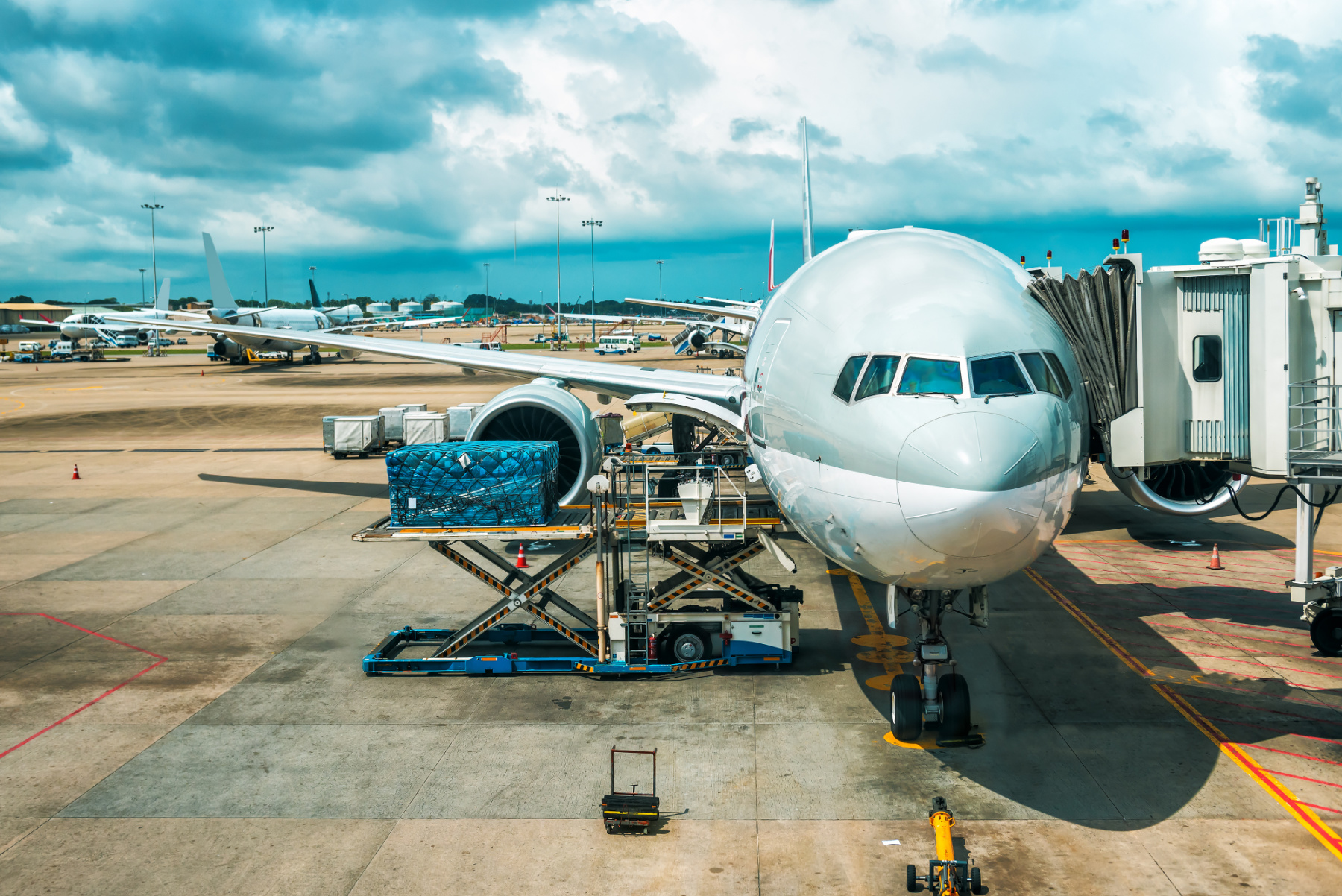
After 40 days of stalled negotiations and widespread disruption, the longest government shutdown in U.S. history appears to be nearing an end. On Sunday night, eight Senate Democrats broke ranks with party leadership to vote in favor of a House-passed continuing resolution, a key step toward reopening the government and restoring pay to hundreds of thousands of federal workers.
The Senate’s 60-40 vote met the minimum threshold required to advance the bill, which funds military construction, the Department of Agriculture, and the legislative branch through September 30, 2026, and the rest of the government through January 30.
While the vote offers hope that the shutdown could end within days, its economic and logistical effects—especially on the nation’s aviation system—are expected to linger.
Weeks of Turmoil Across the Nation’s Airports
As the shutdown dragged on, Federal Aviation Administration (FAA) air traffic controllers and Transportation Security Administration (TSA) officers continued working without pay under “excepted” status. The unpaid workforce kept America’s airports functioning, but at a steep personal and operational cost.
Last weekend, half of the nation’s busiest airports experienced severe staffing shortages. Passengers reported multi-hour waits at TSA checkpoints, delayed flights, and cancellations as airlines struggled to adjust schedules.
“Essential workers are being asked to keep showing up at our airports despite not receiving their paychecks,” said Rep. Tim O’Brien (R-Evansville). “They’re dealing with serious financial strain and hardship, and many are worried about how they’ll pay their bills.”
Economic Fallout: $1 Billion Lost Each Week
The White House estimates the shutdown has cost the U.S. economy over $1 billion per week in lost travel-related spending. That includes canceled business trips, missed hotel bookings, and reduced airport revenue.
Transportation Secretary Sean Duffy warned that delays and cancellations could persist as agencies restore normal operations. “We are doing everything we can to maintain safety and minimize disruption,” Duffy said. “But there are limits to what the system can handle when workers are unpaid and overextended.”
The FAA and Department of Transportation previously announced plans to temporarily reduce air-traffic capacity by 10% across 40 of the busiest airports in the country to maintain safety standards amid worker shortages.
Senators Cross Party Lines to Reopen Government
The political breakthrough came late Sunday, when eight Senate Democrats joined Republicans in supporting the resolution to end the shutdown. The group included John Fetterman (Pa.), Catherine Cortez Masto (Nev.), Dick Durbin (Ill.), Tim Kaine (Va.), Jeanne Shaheen (N.H.), Maggie Hassan (N.H.), Jacky Rosen (Nev.), and Angus King (Maine), an independent who caucuses with Democrats.
Each senator cited the toll the shutdown had taken on federal employees, families, and the economy.
“I voted YES for the 15th time to reopen,” said Sen. John Fetterman, noting that the impasse had left military families, SNAP recipients, and government workers without pay for weeks. “It should’ve never come to this.”
Sen. Catherine Cortez Masto emphasized the real-world consequences for working families: “I have consistently voted against shutting down the government because I know the pain it’s causing—from TSA agents to government contractors.”
Sen. Tim Kaine highlighted the legislation’s provision reinstating federal employees who were wrongfully terminated during the shutdown and guaranteeing back pay, calling it “a critical step that will help federal workers and all Americans who rely on government services.”
Recovery Ahead
Although the bill is expected to pass the final procedural hurdles quickly, the shutdown’s effects will not vanish overnight. Analysts say it could take weeks for the FAA and TSA to return to full staffing and for federal agencies to process back pay and delayed programs.
Rep. O’Brien said the situation underscores the need for stability and cooperation in Washington. “Each day the shutdown continued, more Americans were caught in the crossfire,” he said. “It’s time to restore trust and get government back to work.”
As travelers head into the holiday season, airlines are urging passengers to plan ahead, arrive early, and expect residual delays as the nation’s aviation system climbs out of its longest political stall.
RECENT

Heather Jenkins and The Power of Intentional Rest
Health & Wellness
Arizona Extends Farm Water Fee Relief
In The States
Michigan Storm Recovery Gets Bipartisan Federal Boost
In The States

Canada Says Goodbye To Country Gentleman Tommy Hunter
Entertainment
PA Lawmakers Focus on Energy
Energy

America’s 250th Turns the Weekend Into Something Bigger
Travel

Before You Reach for That Snack, Drink a Glass of Water
Friday Fuel

A Country Toast to America at 250
America

Summer Wellness Challenge to Help You Feel Your Best
Health & Wellness

Sybil Ludington Rides Home for America’s 250th
In The States
BE THE FIRST TO KNOW
Want to stay in the loop? Be the first to know! Sign up for our newsletter and get the latest stories, updates, and insider news delivered straight to your inbox.
More Content By
Think American News Staff
Kentucky Bridge Project Gets $24M Boost
American Infra
Arizona Extends Farm Water Fee Relief
In The States
Michigan Storm Recovery Gets Bipartisan Federal Boost
In The States
Canada Says Goodbye To Country Gentleman Tommy Hunter
Entertainment
PA Lawmakers Focus on Energy
Energy
America’s 250th Turns the Weekend Into Something Bigger
Travel
A Country Toast to America at 250
America
Sybil Ludington Rides Home for America’s 250th
In The States

Michigan Targets Food Dyes
Health & Wellness

World Cup Energy Meets Summer Tradition
Dating
View All Content By Think American News Staff