Jan 01
Adobe Stock/James Reininger
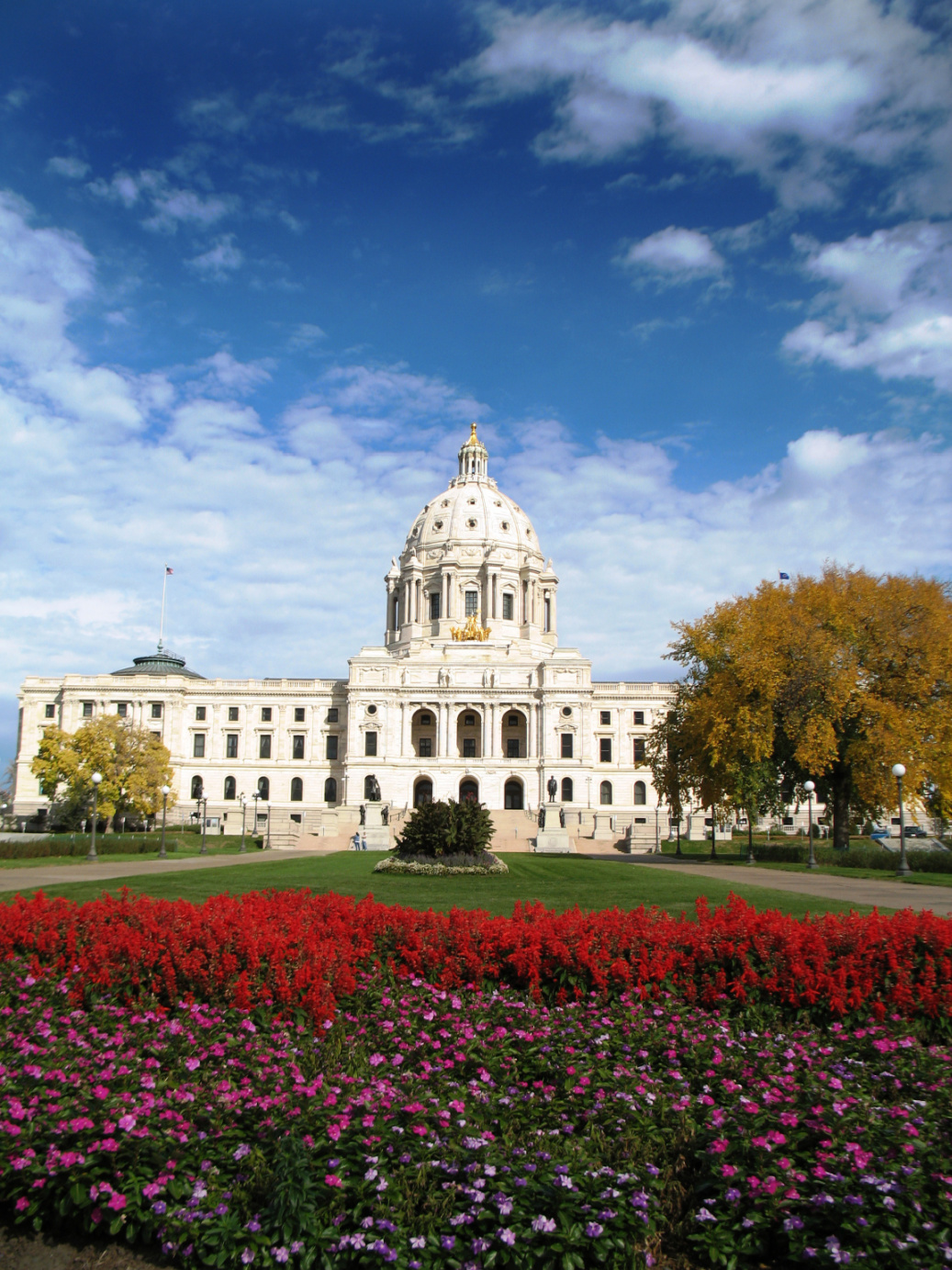
A group of Minnesota Republican lawmakers is calling for Governor Tim Walz to resign, citing what they describe as a massive and ongoing failure of oversight tied to Medicaid waiver programs during his administration. The call comes after comments from First Assistant U.S. Attorney Joe Thompson, who said that half or more of the $18 billion paid through 14 Medicaid waiver programs could be fraudulent.
For the legislators making the demand, the issue is not partisan theater. They argue it is a matter of accountability, constitutional responsibility, and the proper stewardship of public funds meant to serve vulnerable Minnesotans.
A Call Triggered by Allegations of Widespread Fraud
The lawmakers point to the scale of the alleged fraud as the central reason behind their demand. According to Thompson’s statement, the potential misuse involves billions of taxpayer dollars distributed through Medicaid waiver programs over the course of Walz’s time in office. Those programs are designed to support Minnesotans with significant needs, making the allegation particularly troubling in the eyes of the legislators.
The group says the magnitude of the problem, combined with its duration, signals a breakdown in oversight at the highest levels of state government. While investigations and prosecutions may continue through federal channels, they argue the political responsibility lies squarely with the governor.
Lawmakers Citing Constitutional Standards
The call for resignation comes from Minnesota State Senators Bill Lieske of Lonsdale and Nathan Wesenberg of Little Falls, along with State Representatives Marj Fogelman of Fulda, Drew Roach of Farmington, and Mike Wiener of Long Prairie.
They reference Article 8, Section 6 of the Minnesota Constitution, which allows for the recall of executive or inferior officers for “serious malfeasance or nonfeasance” in the performance of official duties. While the group made clear they are not launching a recall effort, they argue that the same constitutional standard supports a resignation.
In their view, resignation is the appropriate step when an executive fails to meet the core obligations of office.
‘Not About Politics or Stunts’
In a joint statement, the legislators emphasized that their decision was not made lightly. They said Minnesotans have watched the fraud crisis worsen over a period of years and that patience has run out.
They stressed that the office of the governor deserves respect and said they had attempted to give Walz time to act. However, they argue that leadership sometimes requires difficult decisions, including stepping aside when confidence in an administration’s oversight has been fundamentally undermined.
The lawmakers contend that red flags were present year after year, yet the problem continued to grow without meaningful intervention.
Nonfeasance and the Duty to Govern
Central to the lawmakers’ argument is the concept of nonfeasance, which they define as a failure to act when action is required. In their statement, they describe the governor’s conduct as a textbook example of nonfeasance, arguing that allowing a crisis to spiral out of control without decisive corrective measures constitutes a breach of duty.
They say the governor had an obligation to oversee his administration and safeguard Medicaid waiver programs. According to their assessment, that obligation was not met, and the absence of consequences has eroded public trust.
Constituent Pressure and Public Frustration
The legislators say the issue dominates conversations in their districts. They describe it as the number one concern they hear from constituents, many of whom are asking why accountability appears absent despite the scale of the alleged fraud.
According to the statement, voters want to know when someone will fix the problem and why no one at the top has been held responsible. The lawmakers argue that resignation would be a first step toward restoring confidence and signaling that failures of this magnitude will not be ignored.
A Call for Accountability and Reset
The group concludes that Minnesota needs what they describe as accountability, a reset, and new leadership capable of restoring trust and ensuring taxpayer dollars are protected. They argue that stepping aside would serve the best interests of the state and allow Minnesota to move forward from what they characterize as a prolonged and damaging crisis.
The dispute underscores a broader question confronting state governments across the country: how executives are held accountable when large-scale program failures occur under their watch. In Minnesota, these lawmakers say the scale of the alleged fraud and the length of time it went unaddressed demand a clear response. They argue that accountability begins at the top and that a change in leadership is necessary to restore public trust and ensure taxpayer dollars are protected moving forward.
RECENT

Heather Jenkins and The Power of Intentional Rest
Health & Wellness

Arizona Extends Farm Water Fee Relief
In The States
Michigan Storm Recovery Gets Bipartisan Federal Boost
In The States

Canada Says Goodbye To Country Gentleman Tommy Hunter
Entertainment
PA Lawmakers Focus on Energy
Energy

America’s 250th Turns the Weekend Into Something Bigger
Travel

Before You Reach for That Snack, Drink a Glass of Water
Friday Fuel

A Country Toast to America at 250
America

Summer Wellness Challenge to Help You Feel Your Best
Health & Wellness

Sybil Ludington Rides Home for America’s 250th
In The States
BE THE FIRST TO KNOW
Want to stay in the loop? Be the first to know! Sign up for our newsletter and get the latest stories, updates, and insider news delivered straight to your inbox.
More Content By
Think American News Staff
Kentucky Bridge Project Gets $24M Boost
American Infra
Arizona Extends Farm Water Fee Relief
In The States
Michigan Storm Recovery Gets Bipartisan Federal Boost
In The States
Canada Says Goodbye To Country Gentleman Tommy Hunter
Entertainment
PA Lawmakers Focus on Energy
Energy
America’s 250th Turns the Weekend Into Something Bigger
Travel
A Country Toast to America at 250
America
Sybil Ludington Rides Home for America’s 250th
In The States

Michigan Targets Food Dyes
Health & Wellness

World Cup Energy Meets Summer Tradition
Dating
View All Content By Think American News Staff