Jan 05
Adobe Stock/artiom.photo

When Winter Becomes Optional
By the time winter settles in, Americans tend to split into two camps: those who endure it with grim determination — and those who quietly head south and call it snow-birding. For beginners, snow-birding isn’t just travel. It’s a seasonal strategy, a lifestyle adjustment, and a polite refusal to scrape ice off anything ever again.
Southern Florida has long been the spiritual headquarters of snow-birding, offering sunshine, palm trees, and an entire infrastructure designed for people who believe cold is a young person’s problem.
Choosing Your Florida Personality
Not all of Florida is the same, and picking the right spot matters. Florida is a patchwork of micro-regions with distinct vibes.
Miami and Miami Beach attract snow-birds who insist they are not snow-birds at all — vibrant, expensive, and lively. Fort Lauderdale offers a calmer middle ground, while Palm Beach County is classic snow-bird territory, complete with early dinners and linen wardrobes. On the Gulf Coast, Naples delivers quiet luxury, sunsets, and a schedule that strongly discourages rushing.
What It Costs — and Why Timing Matters
January through March is peak season, which means higher prices across the board. Monthly rentals can range from the mid-$2,000s inland to well over $5,000 in prime beach locations. Flexibility — staying slightly inland or avoiding February — can significantly lower costs.
How to Actually Enjoy It
Snow-birding works best when you lean into the rhythm. Mornings belong outdoors. Afternoons slow down. Evenings start earlier than you think they should. After a few weeks, the weather back home stops mattering. After a month, you feel better. After two, you start saying “down here” unironically.
RECENT

Tennessee Law Covers Faith and History
In The States

PA’s Tax Cut Framed Around Household Bills
In The States

Typewriters and Flamingos
Offbeat Observances

Michigan Lawmaker Calls for Stronger Reading Standards
Childhood

What Your Butterflies Are Trying to Tell You
Did You Know?

World Cup Energy, Summer Festivals And Weekend Fun
Dating

The Endless Loyalty and Love of a Dog
Mans Best Friend

Winston Group Podcast Examines 2024 Election Autopsy
Elections

Feel-Good Summer Foods for Energy and Wellness
Health & Wellness
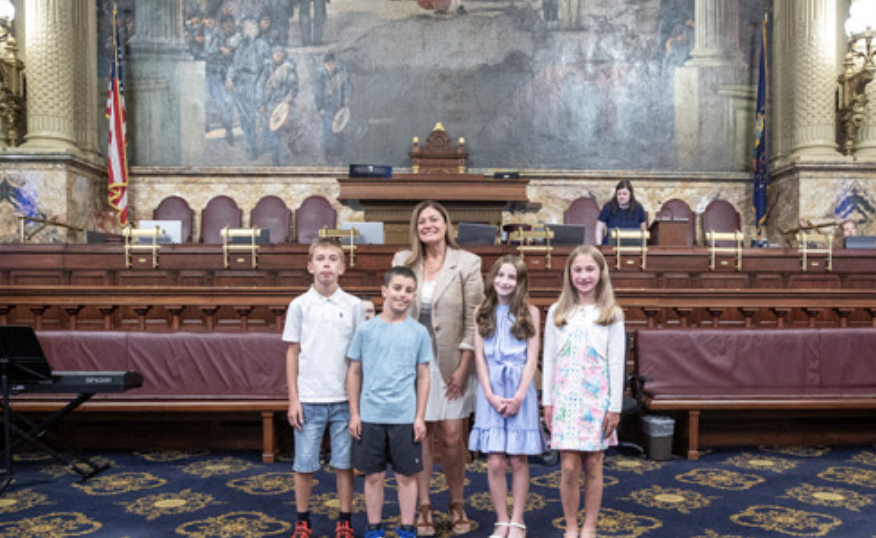
Pennsylvania Students Honored for “Ought to Be a Law” Proposals
Education
BE THE FIRST TO KNOW
Want to stay in the loop? Be the first to know! Sign up for our newsletter and get the latest stories, updates, and insider news delivered straight to your inbox.
More Content By
Think American News StaffTennessee Law Covers Faith and History
In The States
PA’s Tax Cut Framed Around Household Bills
In The States
Michigan Lawmaker Calls for Stronger Reading Standards
Childhood
What Your Butterflies Are Trying to Tell You
Did You Know?
World Cup Energy, Summer Festivals And Weekend Fun
Dating
Winston Group Podcast Examines 2024 Election Autopsy
Elections
Pennsylvania Students Honored for “Ought to Be a Law” Proposals
Education

Automation Debate Hits Rail
Technology

Topper Calls for Reform After Skill Games Decision in PA
gambling

Independents Are Sending Washington a Warning
Politics
View All Content By Think American News Staff