Jan 15
Entertainment
“Alright, Alright, Alright” Now Officially Belongs to McConaughey
Adobe Stock/Wolfilser
Protecting an Iconic Line in the Age of AI
For more than three decades, “Alright, alright, alright” has been inseparable from Matthew McConaughey’s identity. First improvised in Dazed and Confused in 1993, the line became a cultural shorthand for the actor himself. Now, McConaughey is taking formal steps to ensure that phrase — and his likeness — aren’t misused in the rapidly expanding world of artificial intelligence.
Why the Trademark Matters Now
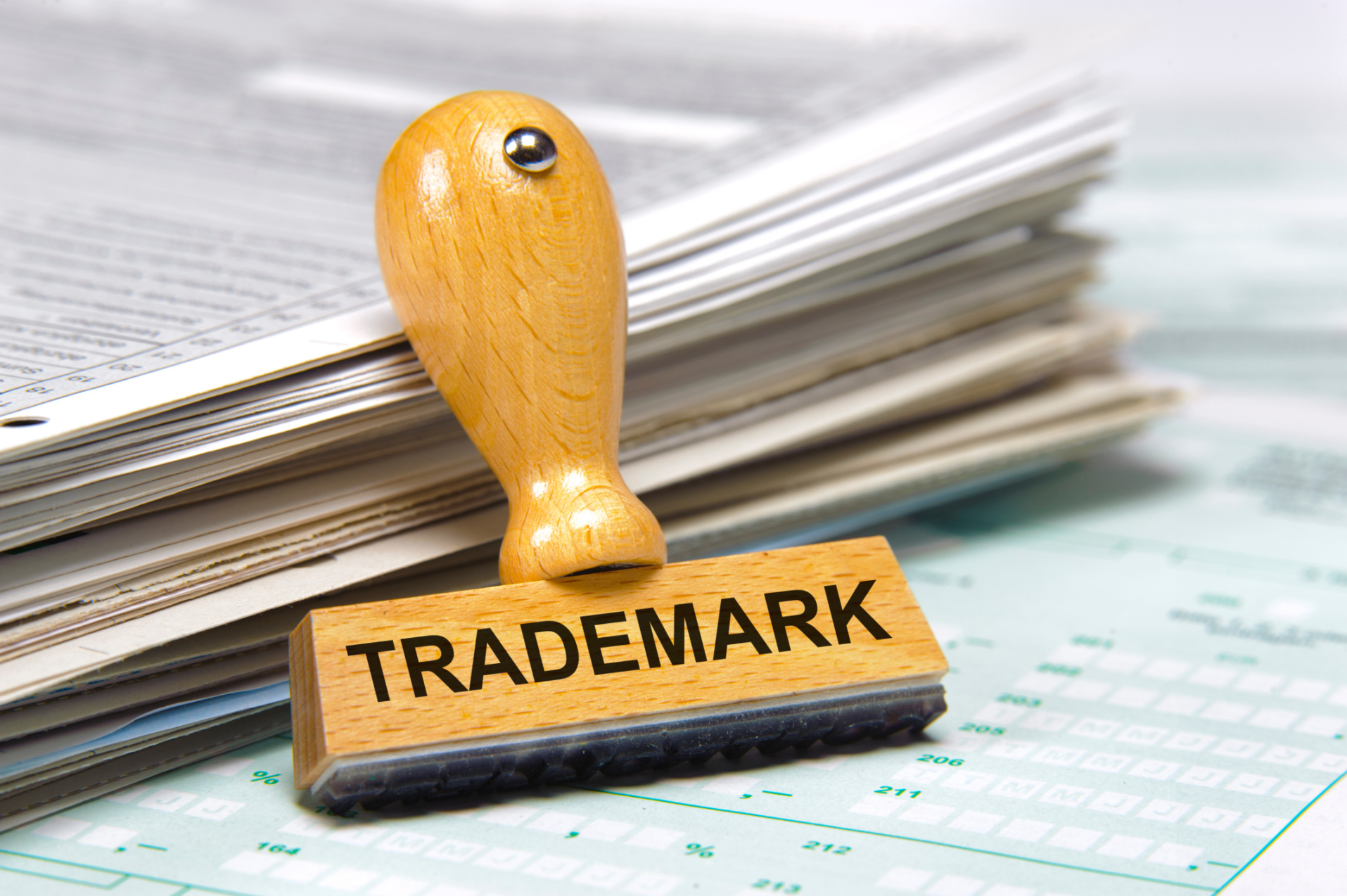
McConaughey has officially trademarked “Alright, alright, alright,” along with seven other properties tied to his voice and image. The move is aimed squarely at preventing unauthorized AI-generated uses that could replicate his voice, appearance, or signature expressions without permission.
While celebrities have long relied on state right-of-publicity laws, McConaughey’s legal team says federal trademarks provide a stronger tool — especially when confronting AI-generated content that isn’t directly selling a product but still trades on a recognizable identity.
A Broader Strategy Beyond One Catchphrase
The trademarks extend beyond the famous line. They include short video clips and audio recordings of McConaughey speaking — all designed to establish clear ownership in an era when deepfakes and voice cloning are becoming more sophisticated.
Importantly, the move doesn’t signal opposition to AI itself. McConaughey has already partnered with an AI voice company to create a Spanish-language version of his newsletter, showing that the goal is control, not restriction.
A Line That Was Never Meant to Last Forever
Ironically, the phrase that now requires legal protection was never scripted. McConaughey has said it emerged spontaneously while he was nervous on set during his first major film role. What began as a character’s internal affirmation evolved into a lifelong calling card — one he’s embraced rather than resisted.
A Sign of What’s Ahead for Creators
As AI blurs the line between homage and impersonation, McConaughey’s move reflects a growing reality: artists and public figures must actively define the boundaries of their digital identities. In doing so, he’s not just protecting a catchphrase — he’s helping shape how creativity and consent coexist in the AI era.
RECENT
World Cup Energy Meets Summer Tradition
Dating

Heather Jenkins: Easy Summer Hosting Made Simple
Health & Wellness
Tennessee Law Covers Faith and History
In The States
PA’s Tax Cut Framed Around Household Bills
In The States
Typewriters and Flamingos
Offbeat Observances

Michigan Lawmaker Calls for Stronger Reading Standards
Childhood

What Your Butterflies Are Trying to Tell You
Did You Know?
World Cup Energy, Summer Festivals And Weekend Fun
Dating

The Endless Loyalty and Love of a Dog
Mans Best Friend
Winston Group Podcast Examines 2024 Election Autopsy
Elections
BE THE FIRST TO KNOW
Want to stay in the loop? Be the first to know! Sign up for our newsletter and get the latest stories, updates, and insider news delivered straight to your inbox.
More Content By
Think American News StaffWorld Cup Energy Meets Summer Tradition
Dating
Tennessee Law Covers Faith and History
In The States
PA’s Tax Cut Framed Around Household Bills
In The States
Michigan Lawmaker Calls for Stronger Reading Standards
Childhood
What Your Butterflies Are Trying to Tell You
Did You Know?
World Cup Energy, Summer Festivals And Weekend Fun
Dating
Winston Group Podcast Examines 2024 Election Autopsy
Elections
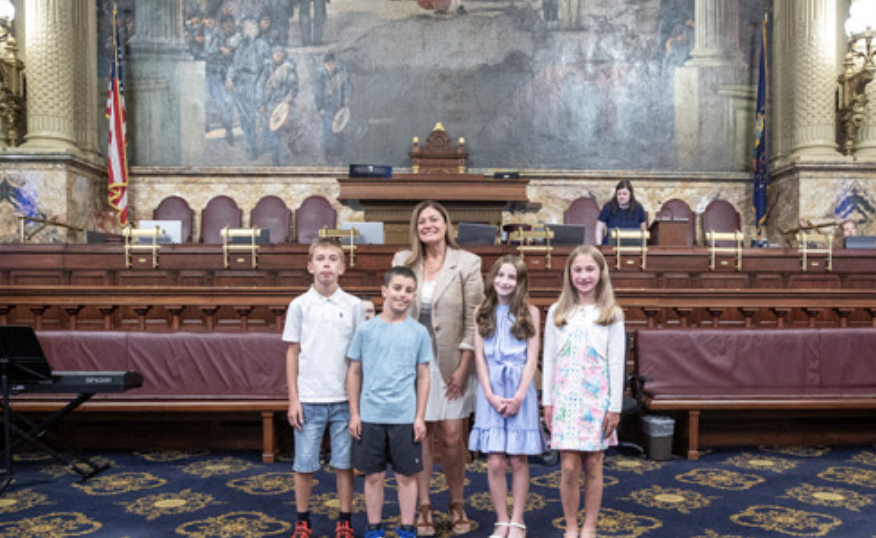
Pennsylvania Students Honored for “Ought to Be a Law” Proposals
Education

Automation Debate Hits Rail
Technology

Topper Calls for Reform After Skill Games Decision in PA
gambling
View All Content By Think American News Staff