Mar 05
Happiness
Why Unhappy Voters Split Left or Right: A New “Trust” Theory
Adobe Stock/Rafael Ben-Ari
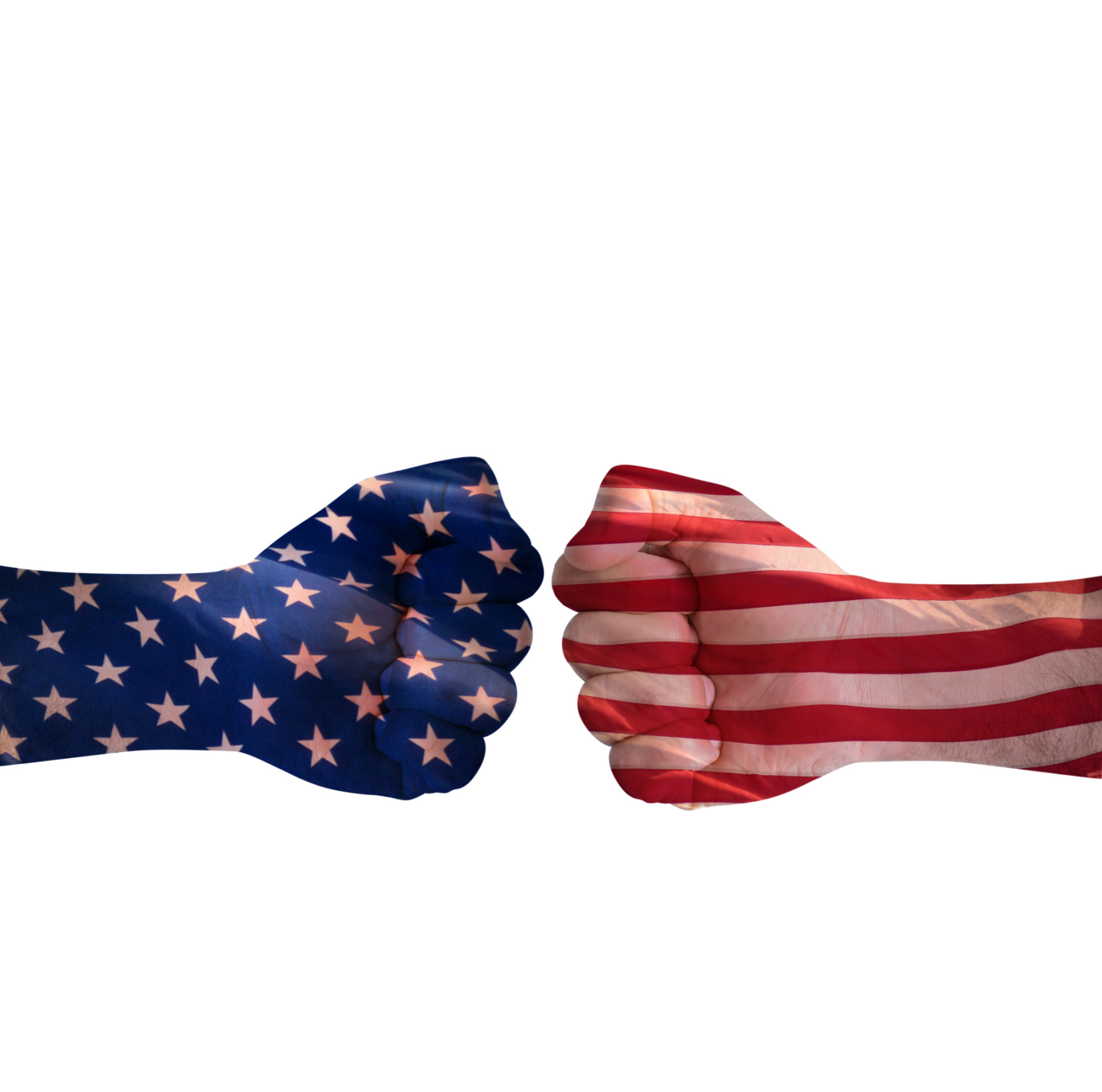
Unhappiness and Distrust May Be Driving the Rise of Populism, Report Says
Political polarization and the rise of anti-establishment movements in the U.S. and Europe may be tied less to traditional ideology and more to how people feel about their lives — and whether they trust others.
That’s one of the central conclusions of a section of the World Happiness Report 2025, which examines how declining life satisfaction and social trust are reshaping voting behavior across Western democracies.
Researchers say these emotional and social factors may explain why populist parties have surged in recent decades.
Life Satisfaction and Anti-System Politics
According to the report, people who feel dissatisfied with their lives are significantly more likely to support anti-system political candidates.
Unhappiness is strongly linked to distrust in institutions and a belief that political systems are failing to protect people from economic and social risks.
This dissatisfaction can translate into support for candidates who promise to disrupt the status quo.
The study draws on multiple large international datasets, including the Gallup World Poll, the European Social Survey and the General Social Survey.
Trust Shapes the Direction of Political Anger
While unhappiness can drive voters away from mainstream parties, the researchers say social trust determines which political direction that frustration takes.
People who report low life satisfaction but higher levels of trust in others tend to gravitate toward far-left parties that promote redistribution and collective solutions.
By contrast, voters who are dissatisfied and distrustful of others are more likely to support right-wing populist movements that emphasize nationalism, immigration restrictions and skepticism toward institutions.
A Long-Term Decline in Trust
The report notes that social trust has declined significantly in the United States over the past several decades.
In the early 1970s, about half of Americans said most people could be trusted. Today, that figure has fallen to roughly 30%.
Researchers say this erosion of social trust may help explain the growing appeal of populist political movements.
Rebuilding Social Connection
Ultimately, the findings suggest that restoring trust and improving overall well-being could play an important role in stabilizing democratic societies.
RECENT

Weekend Adventures Await
Dating

Georgia Looks to Rewrite the Story on Early Reading
Education

Arizona House to Honor Crew of PCU Arizona
In Service

Classic Country Comes Alive on LIVE WIRE
Entertainment

Arizona House Toughens Sexual Extortion Law
In The States

Michigan Students Invited to Compete for “Representative for a Day”
Education

A Statewide Celebration of Stories, Learning, and Lifelong Literacy in Michigan
Education

Marcell Highlights Sextortion Prevention
In The States
How Frederick Douglass Helped Move America Forward
History

Your Weekend Game Plan Starts Here
America
BE THE FIRST TO KNOW
Want to stay in the loop? Be the first to know! Sign up for our newsletter and get the latest stories, updates, and insider news delivered straight to your inbox.
More Content By
Think American News StaffWeekend Adventures Await
Dating
Georgia Looks to Rewrite the Story on Early Reading
Education
Arizona House to Honor Crew of PCU Arizona
In Service
Classic Country Comes Alive on LIVE WIRE
Entertainment
Arizona House Toughens Sexual Extortion Law
In The States
Michigan Students Invited to Compete for “Representative for a Day”
Education
A Statewide Celebration of Stories, Learning, and Lifelong Literacy in Michigan
Education
Marcell Highlights Sextortion Prevention
In The States
How Frederick Douglass Helped Move America Forward
History
Your Weekend Game Plan Starts Here
America
View All Content By Think American News Staff