Jun 01
Kindness
3 Simple Habits That Help Raise Kind and Compassionate Kids
Adobe Stock/fotogestoeber
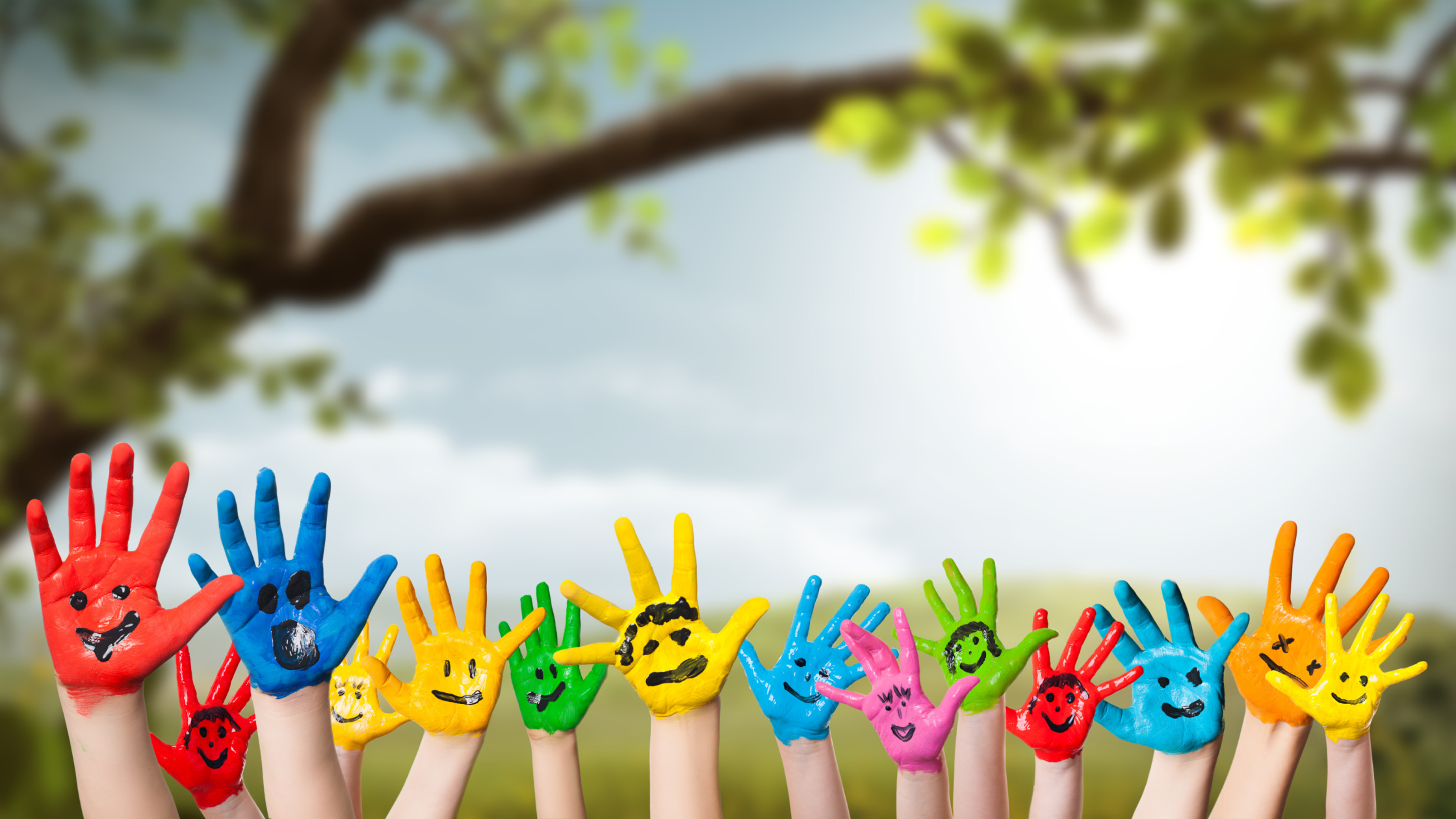
Parents often spend a lot of time worrying about grades, activities, and future success. But many would agree that one of the most important goals is raising children who are kind, compassionate, and respectful of others.
Recent parenting advice highlights three habits that can help children develop empathy and avoid the cruel or bullying behaviors that have become increasingly common in today’s world.
Call Out Kindness When You See It
Children naturally have a strong capacity for kindness, but parents often spend more time correcting bad behavior than recognizing good behavior.
Experts recommend making a point to notice and acknowledge acts of compassion when they happen.
Whether it’s sharing toys, helping a classmate, or including someone who feels left out, positive reinforcement helps children recognize kindness as something valuable.
Simple comments such as, “That was thoughtful of you,” or “You were very kind to help your friend,” can encourage children to repeat those behaviors.
Create Opportunities to Practice Kindness
Kindness becomes stronger through action.
Rather than simply telling children to be nice, experts suggest encouraging small acts of service and compassion.
Helping a neighbor, writing a note to someone who is struggling, donating items to a local shelter, or assisting a younger sibling are all examples of ways children can actively practice kindness.
Some families even create kindness challenges or calendars to help children keep track of positive actions.
The goal isn’t a reward. The goal is helping children experience the satisfaction that comes from helping others.
Model the Behavior You Want to See
Perhaps the most important lesson comes from watching adults.
Children pay close attention to how parents treat family members, neighbors, restaurant servers, cashiers, teachers, and strangers.
When children regularly witness empathy, patience, generosity, and respect, those behaviors become normal.
As many parenting experts note, children often learn far more from what we do than from what we say.
Kindness Starts at Home
Research continues to show that kindness benefits both the giver and the receiver, improving happiness, strengthening relationships, and building stronger communities.
Sometimes it starts with noticing kindness, encouraging kindness, and living it every day.
RECENT

Heather Jenkins and The Power of Intentional Rest
Health & Wellness

Arizona Extends Farm Water Fee Relief
In The States
Michigan Storm Recovery Gets Bipartisan Federal Boost
In The States

Canada Says Goodbye To Country Gentleman Tommy Hunter
Entertainment
PA Lawmakers Focus on Energy
Energy

America’s 250th Turns the Weekend Into Something Bigger
Travel

Before You Reach for That Snack, Drink a Glass of Water
Friday Fuel

A Country Toast to America at 250
America

Summer Wellness Challenge to Help You Feel Your Best
Health & Wellness

Sybil Ludington Rides Home for America’s 250th
In The States
BE THE FIRST TO KNOW
Want to stay in the loop? Be the first to know! Sign up for our newsletter and get the latest stories, updates, and insider news delivered straight to your inbox.
More Content By
Think American News Staff
Kentucky Bridge Project Gets $24M Boost
American Infra
Arizona Extends Farm Water Fee Relief
In The States
Michigan Storm Recovery Gets Bipartisan Federal Boost
In The States
Canada Says Goodbye To Country Gentleman Tommy Hunter
Entertainment
PA Lawmakers Focus on Energy
Energy
America’s 250th Turns the Weekend Into Something Bigger
Travel
A Country Toast to America at 250
America
Sybil Ludington Rides Home for America’s 250th
In The States

Michigan Targets Food Dyes
Health & Wellness

World Cup Energy Meets Summer Tradition
Dating
View All Content By Think American News Staff