Jan 12
Adobe Stock/Axl4Real
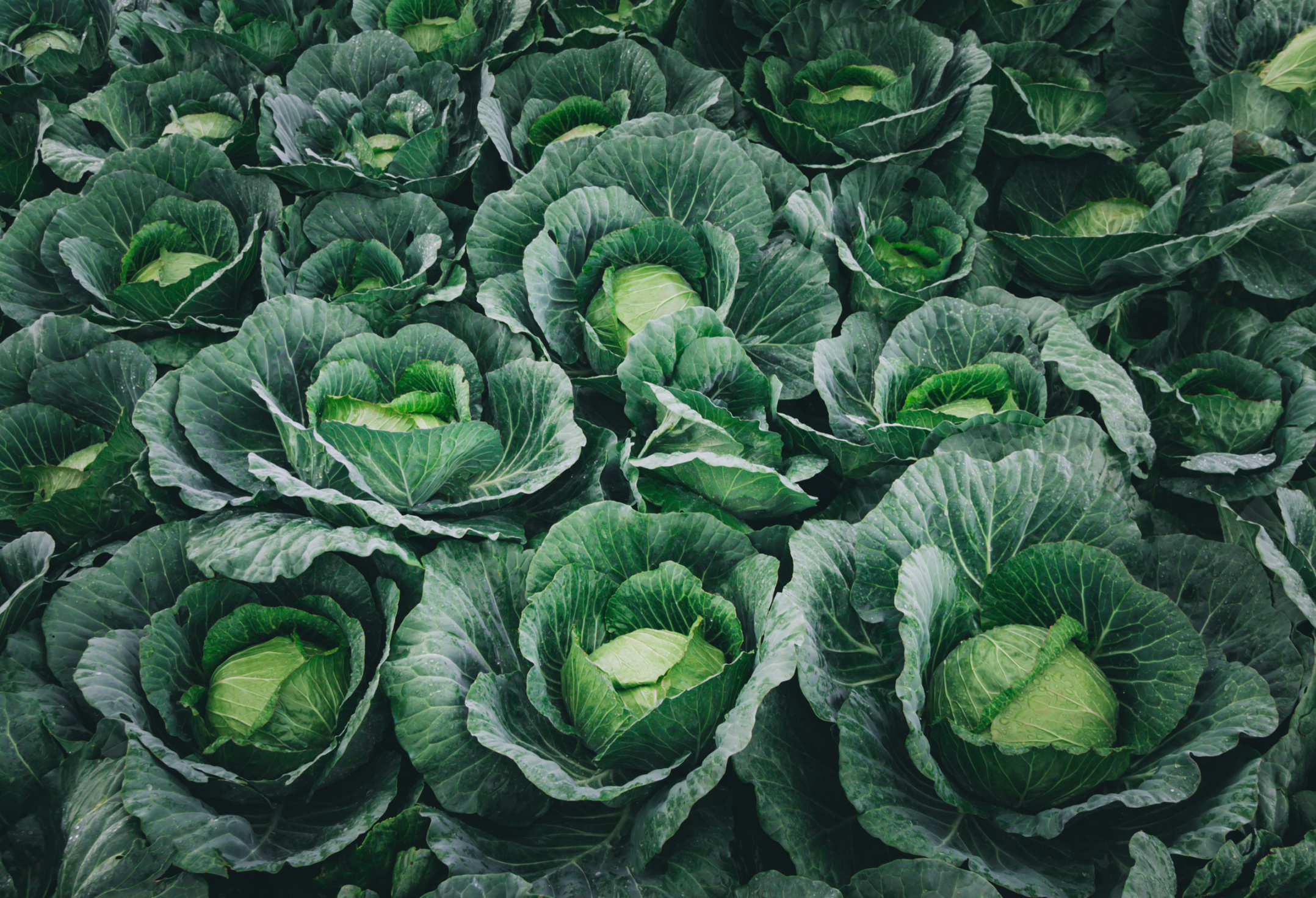
Cabbage, long associated with bland boiled meals and outdated dinner traditions, is emerging as one of the biggest food trends of 2026. Once overlooked, the humble vegetable is now being embraced by home cooks and chefs alike for its affordability, nutrition, and remarkable versatility in the kitchen.
Why Cabbage Is Trending Now
According to Wisconsin-based cookbook author Erin Clarke, cabbage’s resurgence reflects a broader shift in how Americans are cooking. With grocery prices still elevated, consumers are prioritizing ingredients that are cost-effective, widely available, and adaptable across cuisines.
Cabbage fits neatly into that new mindset. It stores well, is available year-round, and can be roasted, sautéed, fermented, grilled, or eaten raw. Clarke notes that many people who think they dislike cabbage simply haven’t cooked it properly — high heat and thin slicing can bring out caramelized edges and a natural sweetness that transforms the vegetable entirely.
A Nutritional Powerhouse on a Budget
Beyond its affordability, cabbage delivers impressive health benefits. New Jersey–based dietitian Erin Palinski-Wade points out that cabbage outperforms popular salad staples like lettuce in key nutrients, including vitamin C, folate, and potassium.
As a cruciferous vegetable, cabbage contains compounds linked to anti-inflammatory and antioxidant effects, along with potential benefits for gut health, heart health, and disease prevention. These attributes align with updated dietary guidance emphasizing whole foods, vegetables, and protein-rich meals.
Not for Everyone — But Easy to Adapt
While cabbage offers many advantages, it isn’t universally tolerated. Its high fiber content can cause bloating or gas for some people, especially when eaten raw. Cooking methods matter. Light sautéing or steaming — rather than boiling — can improve digestibility while preserving nutrients.
A Sign of Changing Food Culture
RECENT

Tennessee Law Covers Faith and History
In The States

PA’s Tax Cut Framed Around Household Bills
In The States

Typewriters and Flamingos
Offbeat Observances

Michigan Lawmaker Calls for Stronger Reading Standards
Childhood

What Your Butterflies Are Trying to Tell You
Did You Know?

World Cup Energy, Summer Festivals And Weekend Fun
Dating

The Endless Loyalty and Love of a Dog
Mans Best Friend

Winston Group Podcast Examines 2024 Election Autopsy
Elections
Feel-Good Summer Foods for Energy and Wellness
Health & Wellness

Pennsylvania Students Honored for “Ought to Be a Law” Proposals
Education
BE THE FIRST TO KNOW
Want to stay in the loop? Be the first to know! Sign up for our newsletter and get the latest stories, updates, and insider news delivered straight to your inbox.
More Content By
Think American News StaffTennessee Law Covers Faith and History
In The States
PA’s Tax Cut Framed Around Household Bills
In The States
Michigan Lawmaker Calls for Stronger Reading Standards
Childhood
What Your Butterflies Are Trying to Tell You
Did You Know?
World Cup Energy, Summer Festivals And Weekend Fun
Dating
Winston Group Podcast Examines 2024 Election Autopsy
Elections
Pennsylvania Students Honored for “Ought to Be a Law” Proposals
Education

Automation Debate Hits Rail
Technology

Topper Calls for Reform After Skill Games Decision in PA
gambling

Independents Are Sending Washington a Warning
Politics
View All Content By Think American News Staff