Dec 17
Adobe Stock/alter_photo
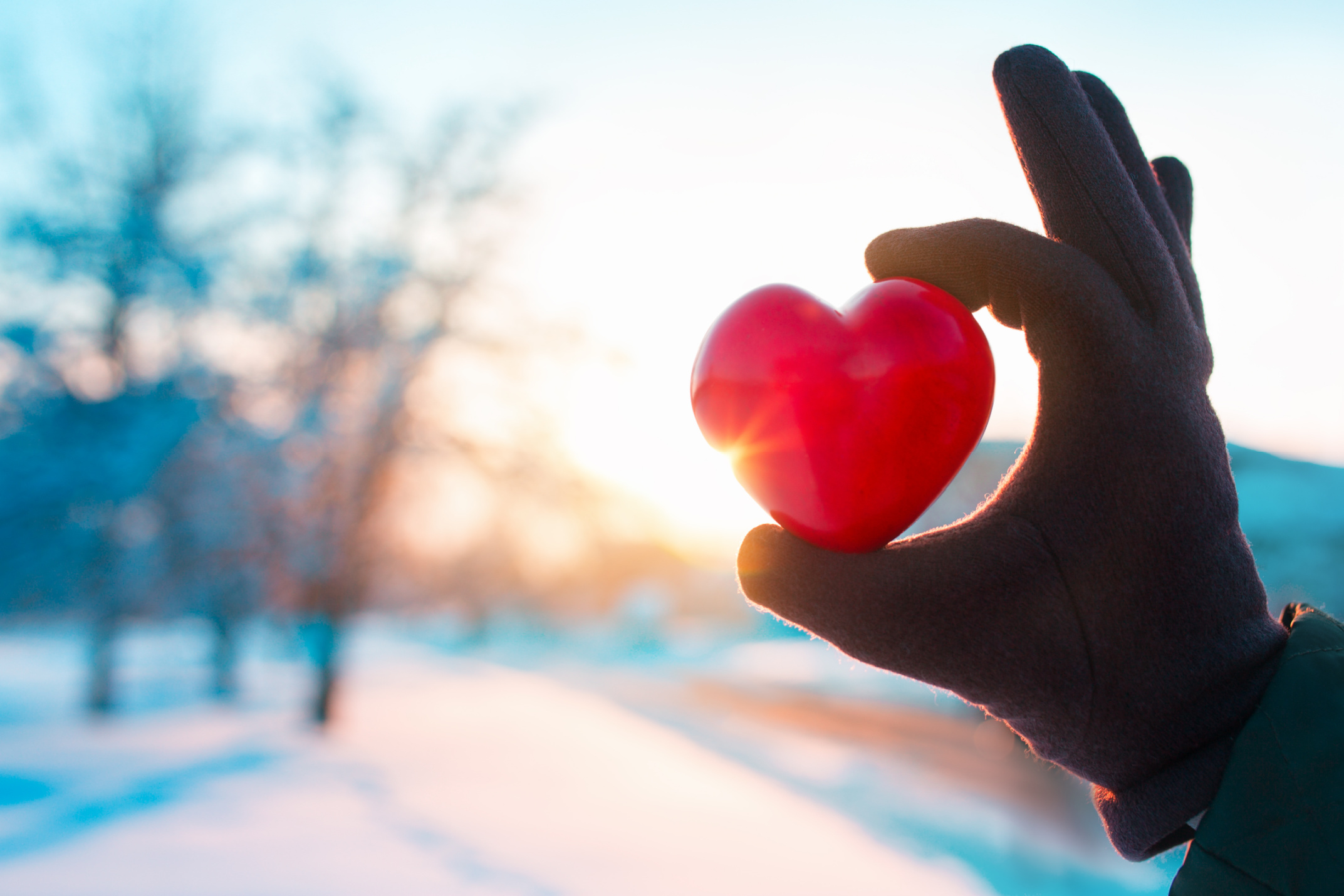
Why the Holidays Can Strain Your Heart
The holiday season is often associated with joy, celebration, and indulgence — but it also comes with a lesser-known health risk. Medical experts consistently see a spike in heart attacks and strokes between Christmas and New Year’s. Emergency rooms notice the pattern every year, and cardiologists say it’s no coincidence.
While heart disease risk exists year-round, the holidays can act as a tipping point. Cold weather, seasonal illnesses, disrupted routines, rich foods, alcohol, and emotional stress often collide all at once, placing added strain on the cardiovascular system.
The Perfect Storm of Triggers
Overindulging in salty, heavy meals can raise blood pressure and force the heart to work harder. Alcohol, especially in excess, adds to the burden. On top of that, acute stress — such as family conflict, travel delays, or financial worries — can trigger sudden spikes in blood pressure and heart rate.
This combination can be dangerous, especially for people with underlying heart conditions, even if those conditions are well-managed the rest of the year.
Warning Signs You Should Never Ignore
Classic heart attack symptoms include sudden pressure or heaviness in the center of the chest and unexpected shortness of breath. However, symptoms aren’t always textbook. Women, in particular, may experience nausea, lightheadedness, or pain in the jaw, neck, or back rather than chest pain.
Strokes also become more common during the holidays. Experts recommend remembering FAST: facial drooping, arm or leg weakness on one side, speech difficulty, and time to call 911 immediately.
Don’t Delay Care
Doctors emphasize that delaying medical care can be life-altering. Many people try to “wait it out,” assuming symptoms will pass or not wanting to disrupt holiday plans. That hesitation can cost precious time.
When it comes to heart health, it’s always better to be safe than sorry. Seeking prompt care can mean the difference between a full recovery and long-term heart damage.
RECENT

Tennessee Law Covers Faith and History
In The States
PA’s Tax Cut Framed Around Household Bills
In The States

Typewriters and Flamingos
Offbeat Observances

Michigan Lawmaker Calls for Stronger Reading Standards
Childhood

What Your Butterflies Are Trying to Tell You
Did You Know?
World Cup Energy, Summer Festivals And Weekend Fun
Dating

The Endless Loyalty and Love of a Dog
Mans Best Friend
Winston Group Podcast Examines 2024 Election Autopsy
Elections
Feel-Good Summer Foods for Energy and Wellness
Health & Wellness
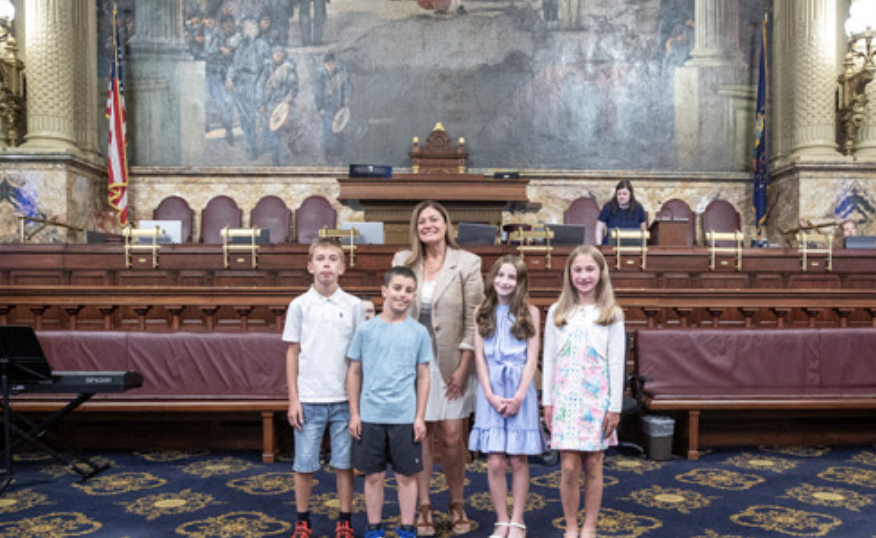
Pennsylvania Students Honored for “Ought to Be a Law” Proposals
Education
BE THE FIRST TO KNOW
Want to stay in the loop? Be the first to know! Sign up for our newsletter and get the latest stories, updates, and insider news delivered straight to your inbox.
More Content By
Think American News StaffTennessee Law Covers Faith and History
In The States
PA’s Tax Cut Framed Around Household Bills
In The States
Michigan Lawmaker Calls for Stronger Reading Standards
Childhood
What Your Butterflies Are Trying to Tell You
Did You Know?
World Cup Energy, Summer Festivals And Weekend Fun
Dating
Winston Group Podcast Examines 2024 Election Autopsy
Elections
Pennsylvania Students Honored for “Ought to Be a Law” Proposals
Education

Automation Debate Hits Rail
Technology

Topper Calls for Reform After Skill Games Decision in PA
gambling
Independents Are Sending Washington a Warning
Politics
View All Content By Think American News Staff