Dec 07
Adobe Stock/jorge/stock.adobe.com
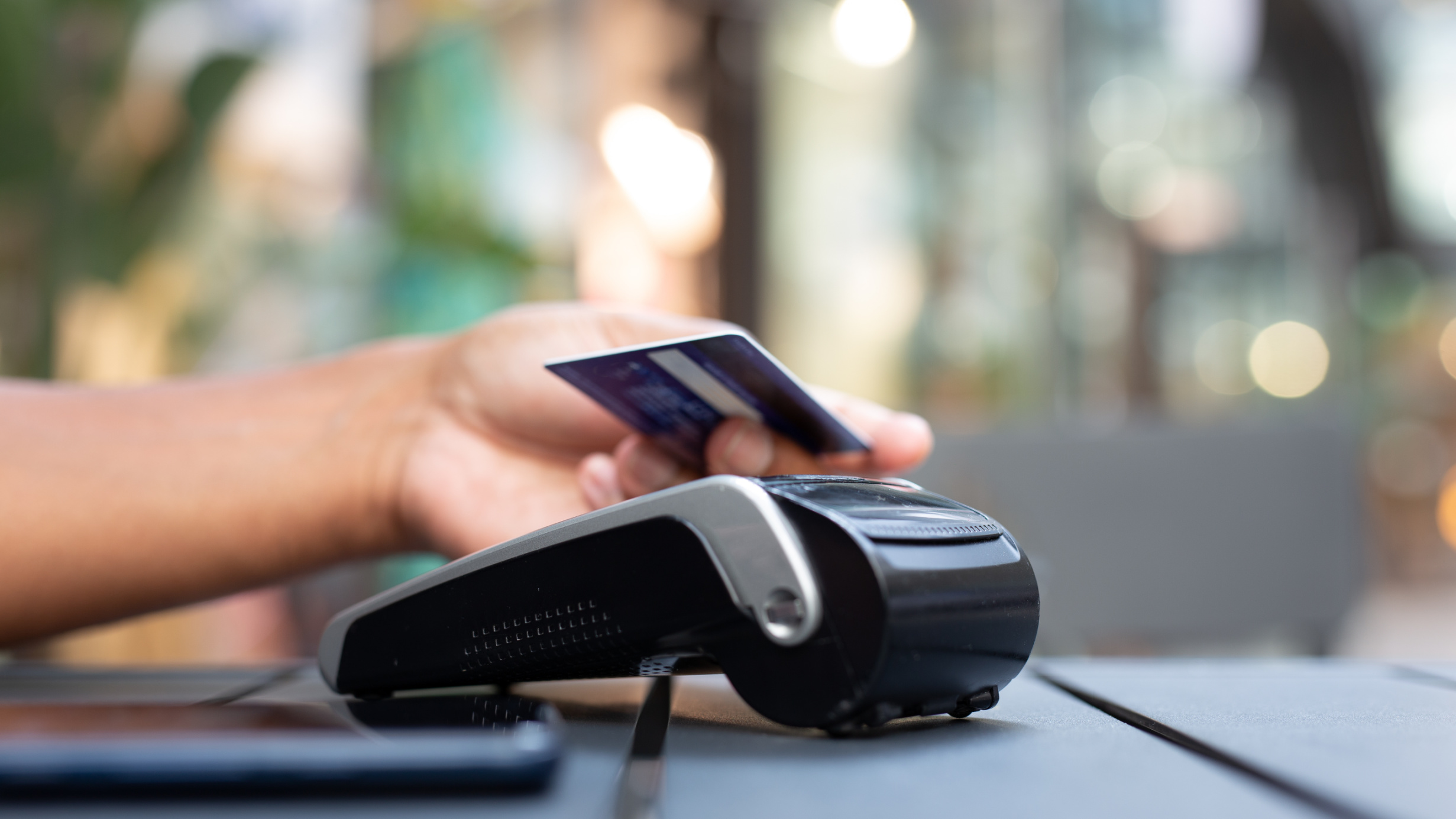
Tap-to-pay has made everyday purchases faster than ever, but that convenience has also created new opportunities for scammers. A scheme known as “ghost tapping” exploits contactless payment technology to charge a victim’s card or mobile wallet without their awareness—sometimes without direct physical contact.
What Is Ghost Tapping?
Ghost tapping refers to attempts to trigger an unauthorized contactless payment using Near Field Communication (NFC). According to cybersecurity experts, the scam relies on proximity and distraction. In crowded public spaces, criminals armed with portable NFC readers may get close enough to tap against an unshielded credit card or device and initiate a small charge that often goes unnoticed.
While headlines can make the scam sound simple, experts stress that it’s harder to pull off than many believe—especially against smartphones, which require biometric authentication and use tokenized data rather than real card numbers.
Why Fake Vendors Are the Bigger Risk
The greater danger often comes from social engineering rather than stealth technology. Scammers may pose as legitimate vendors at pop-up booths, flea markets, festivals, or charity drives, using fraudulent tap-to-pay readers. In these cases, victims unknowingly authorize the charge, sometimes for far more than expected, trusting the environment and rushing through the transaction.
The Better Business Bureau warns that scammers count on distraction, urgency, and assumed legitimacy to succeed.
Red Flags to Watch For
Unexplained small charges, vendors who don’t show totals or provide receipts, and suspicious transactions after attending crowded events can all signal a problem. Criminals often test payment methods with small amounts before escalating.
How to Protect Yourself
Experts recommend taking simple precautions: use RFID-blocking wallets, confirm the vendor name and amount before tapping, enable real-time bank alerts, and regularly review account statements. In higher-risk situations, swiping or inserting a card may be safer than tapping.
As contactless payments continue to grow, awareness—not fear—is the best defense.
RECENT

Tennessee Law Covers Faith and History
In The States
PA’s Tax Cut Framed Around Household Bills
In The States

Typewriters and Flamingos
Offbeat Observances

Michigan Lawmaker Calls for Stronger Reading Standards
Childhood

What Your Butterflies Are Trying to Tell You
Did You Know?

World Cup Energy, Summer Festivals And Weekend Fun
Dating

The Endless Loyalty and Love of a Dog
Mans Best Friend

Winston Group Podcast Examines 2024 Election Autopsy
Elections

Feel-Good Summer Foods for Energy and Wellness
Health & Wellness

Pennsylvania Students Honored for “Ought to Be a Law” Proposals
Education
BE THE FIRST TO KNOW
Want to stay in the loop? Be the first to know! Sign up for our newsletter and get the latest stories, updates, and insider news delivered straight to your inbox.
More Content By
Think American News StaffTennessee Law Covers Faith and History
In The States
PA’s Tax Cut Framed Around Household Bills
In The States
Michigan Lawmaker Calls for Stronger Reading Standards
Childhood
What Your Butterflies Are Trying to Tell You
Did You Know?
World Cup Energy, Summer Festivals And Weekend Fun
Dating
Winston Group Podcast Examines 2024 Election Autopsy
Elections
Pennsylvania Students Honored for “Ought to Be a Law” Proposals
Education

Automation Debate Hits Rail
Technology

Topper Calls for Reform After Skill Games Decision in PA
gambling

Independents Are Sending Washington a Warning
Politics
View All Content By Think American News Staff