Nov 13
Government SHutdown
A Historic Shutdown Ends—But No One’s Celebrating
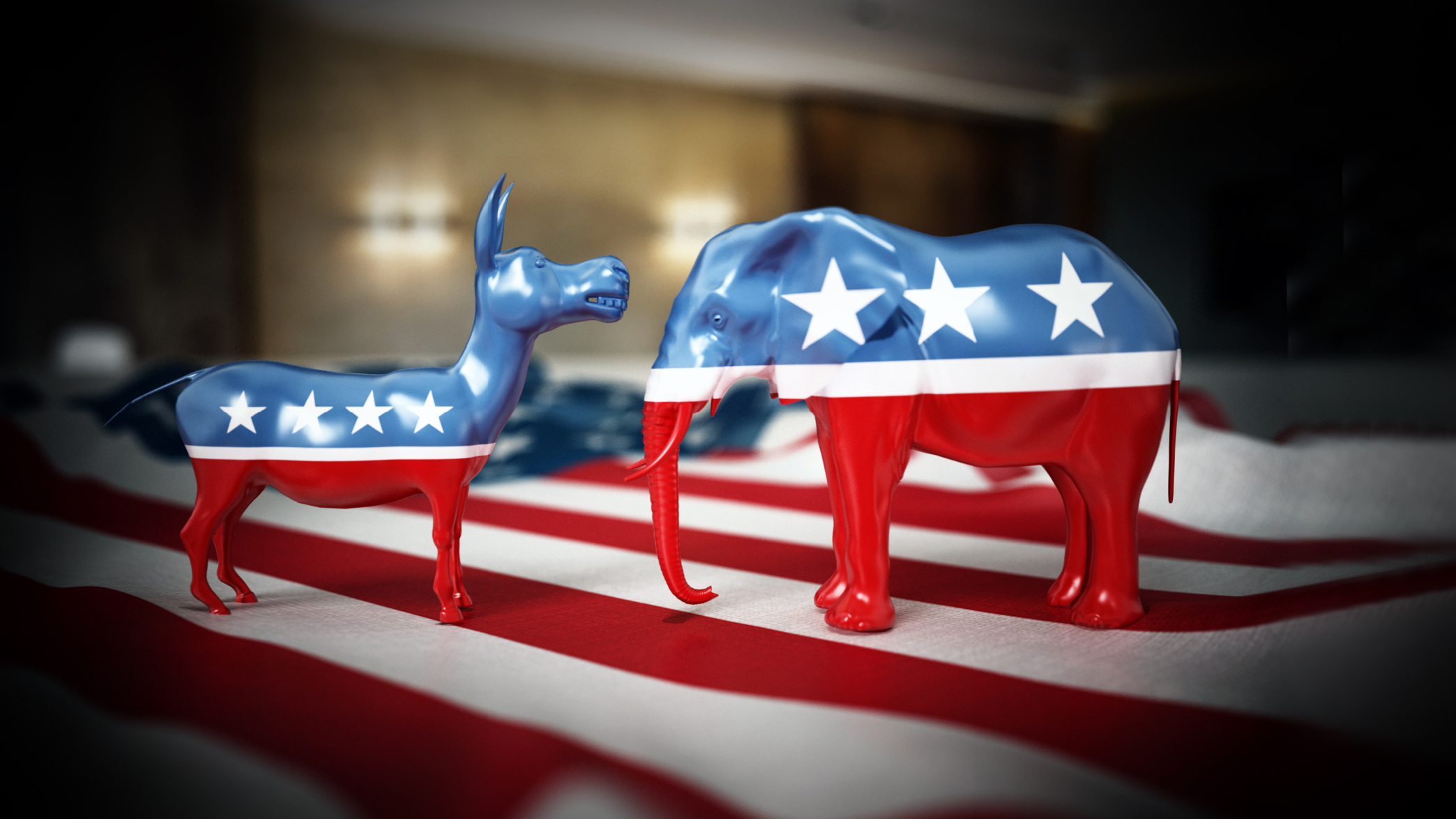
Adobe Stock/ PX Media/stock.adobe.com

A Long Stalemate Comes to a Frustrating Close
After six grueling weeks, the longest government shutdown in U.S. history has finally ended—but satisfaction is in short supply. The deal, signed into law by President Donald Trump, brings federal operations back online and temporarily funds essential programs through January. While it averts further economic fallout, both parties are walking away bruised and battle-weary.
No Clear Winners, Only Fallout
Democrats failed to secure the health care tax credit extension they fought for, while Republicans took the brunt of public frustration, reflected in poor polling and state election results. The impact of the shutdown rippled across the nation: federal employees missed paychecks, flights were disrupted, and food assistance programs stalled, leaving families in hardship during the holiday season.
The Political Blame Game
Both sides are pointing fingers. About 60% of Americans say Republicans bear significant responsibility, while 54% blame Democrats, according to an AP-NORC poll. Senate Majority Leader John Thune and Democratic Leader Chuck Schumer traded accusations of political hostage-taking, each insisting the other’s demands stalled progress.
Economic and Human Toll
The Congressional Budget Office estimates an $11 billion permanent hit to the economy from the shutdown, with millions of Americans feeling its strain. Sen. Jerry Moran (R-Kan.) warned that the dysfunction damages the nation’s credibility abroad, showing allies and adversaries alike a government unable to meet its most basic responsibilities.
RECENT

World Cup Energy Meets Summer Tradition
Dating

Heather Jenkins: Easy Summer Hosting Made Simple
Health & Wellness

Tennessee Law Covers Faith and History
In The States

PA’s Tax Cut Framed Around Household Bills
In The States

Typewriters and Flamingos
Offbeat Observances

Michigan Lawmaker Calls for Stronger Reading Standards
Childhood

What Your Butterflies Are Trying to Tell You
Did You Know?
World Cup Energy, Summer Festivals And Weekend Fun
Dating

The Endless Loyalty and Love of a Dog
Mans Best Friend
Winston Group Podcast Examines 2024 Election Autopsy
Elections
BE THE FIRST TO KNOW
Want to stay in the loop? Be the first to know! Sign up for our newsletter and get the latest stories, updates, and insider news delivered straight to your inbox.
More Content By
Think American News StaffWorld Cup Energy Meets Summer Tradition
Dating
Tennessee Law Covers Faith and History
In The States
PA’s Tax Cut Framed Around Household Bills
In The States
Michigan Lawmaker Calls for Stronger Reading Standards
Childhood
What Your Butterflies Are Trying to Tell You
Did You Know?
World Cup Energy, Summer Festivals And Weekend Fun
Dating
Winston Group Podcast Examines 2024 Election Autopsy
Elections
Pennsylvania Students Honored for “Ought to Be a Law” Proposals
Education

Automation Debate Hits Rail
Technology

Topper Calls for Reform After Skill Games Decision in PA
gambling
View All Content By Think American News Staff