Dec 04
Adobe Stock/sebra/stock.adobe.com
A New Version of an Old Problem
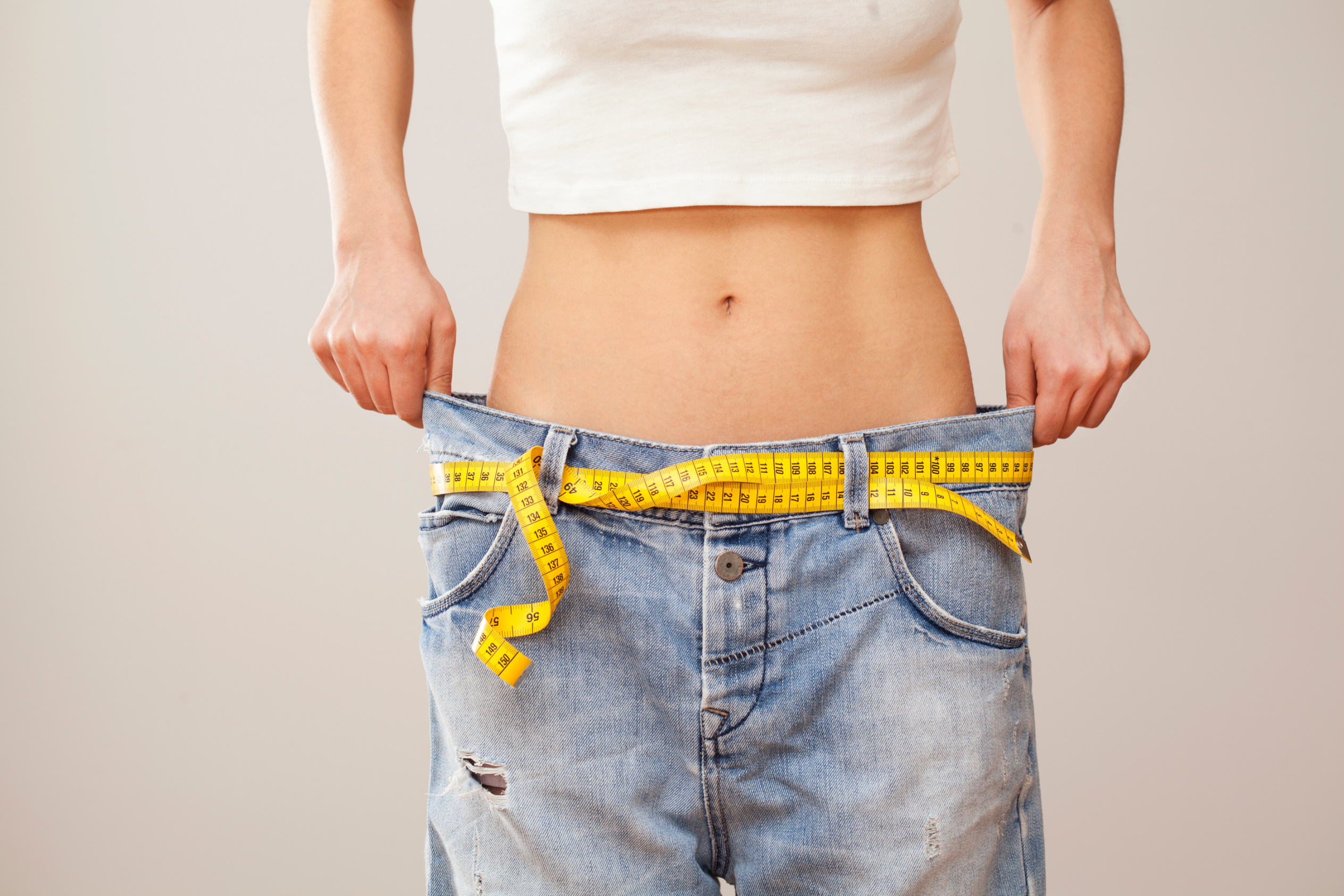
The rise of the so-called “Ozempic body” — a sharp return to ultra-thin celebrity aesthetics — is bringing back an unsettling trend reminiscent of early-2000s “heroin chic.” Across red carpets and social feeds, stars appear to be shrinking before our eyes. And while no one can or should diagnose a celebrity from afar, the visual shift is impossible to ignore. Figures like Ariana Grande, Cynthia Erivo, La Toya Jackson, Amy Schumer, and Meghan Trainor have all stirred conversation simply by virtue of appearing dramatically thinner.
When Concern Isn’t ‘Shaming’
Celebrities often push back on commentary about their bodies, with Grande calling it “dangerous” to talk about women’s bodies at all. But many young people — and even medical professionals — say acknowledging this extreme shift is not shaming; it’s concern. Teens like 17-year-old Noelle from Pennsylvania and dieticians like Deb Malkoff-Cohen are sounding the alarm: this wave of hyper-thin imagery can reignite disordered eating tendencies and normalize unhealthy expectations.
The Ripple Effect on Young Audiences
The cultural impact is landing hardest on young, impressionable audiences who consume these images daily. Experts say the trend is directly influencing behaviors, granting “silent permission” to restrict eating or pursue drastic measures to emulate celebrity thinness. Plastic surgeons report more young patients requesting slimming procedures, and advocates for those with eating disorders say the shift feels like a dangerous reset toward unrealistic ideals.
A Warning We Can’t Ignore
The normalization of these shrinking silhouettes — jutting collarbones, hollow cheeks, narrow waists — threatens the progress society believed it had made toward body positivity. Actress Jameela Jamil may summarize it best: when hugs feel like they might “snap” someone in half, something is deeply wrong. And young people are watching.
RECENT

PA’s Tax Cut Framed Around Household Bills
In The States

Typewriters and Flamingos
Offbeat Observances

Michigan Lawmaker Calls for Stronger Reading Standards
Childhood

What Your Butterflies Are Trying to Tell You
Did You Know?

World Cup Energy, Summer Festivals And Weekend Fun
Dating

The Endless Loyalty and Love of a Dog
Mans Best Friend

Winston Group Podcast Examines 2024 Election Autopsy
Elections

Feel-Good Summer Foods for Energy and Wellness
Health & Wellness

Pennsylvania Students Honored for “Ought to Be a Law” Proposals
Education

Automation Debate Hits Rail
Technology
BE THE FIRST TO KNOW
Want to stay in the loop? Be the first to know! Sign up for our newsletter and get the latest stories, updates, and insider news delivered straight to your inbox.
More Content By
Think American News StaffPA’s Tax Cut Framed Around Household Bills
In The States
Michigan Lawmaker Calls for Stronger Reading Standards
Childhood
What Your Butterflies Are Trying to Tell You
Did You Know?
World Cup Energy, Summer Festivals And Weekend Fun
Dating
Winston Group Podcast Examines 2024 Election Autopsy
Elections
Pennsylvania Students Honored for “Ought to Be a Law” Proposals
Education
Automation Debate Hits Rail
Technology

Topper Calls for Reform After Skill Games Decision in PA
gambling

Independents Are Sending Washington a Warning
Politics
From Bonnaroo to Route 66: America’s Weekend Lineup
Dating
View All Content By Think American News Staff