Jun 01
Vermont Becomes First State to Ban Paraquat Herbicide
Adobe Stock/Dusan Kostic
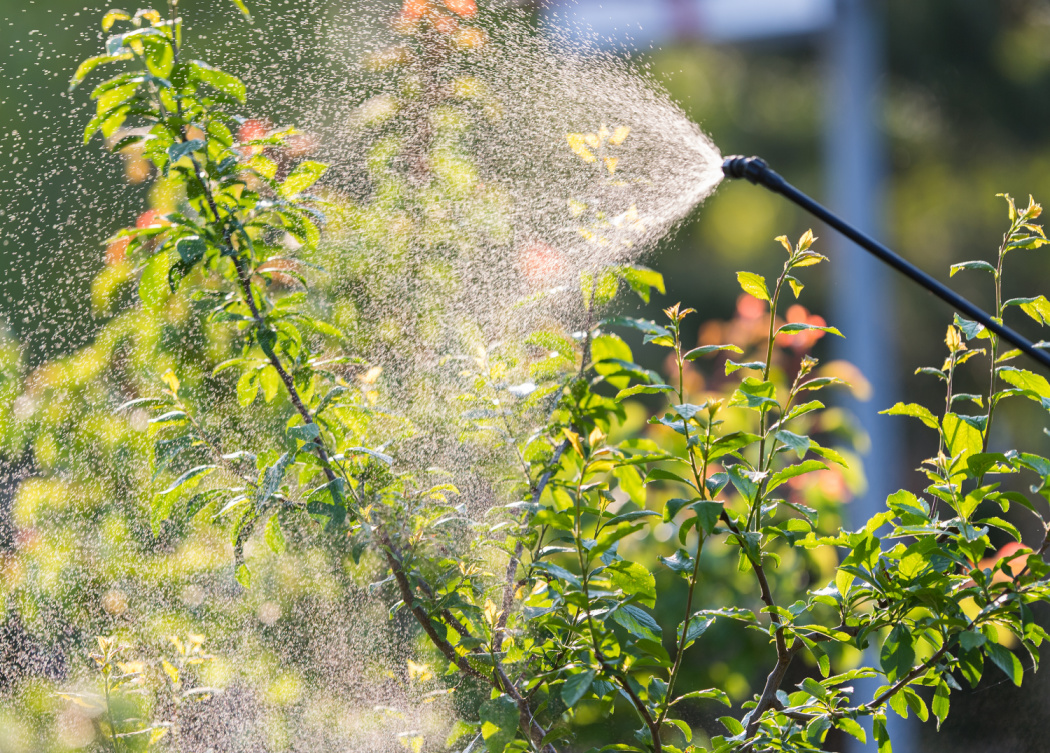
On May 26, Scott signed the paraquat ban into law, along with several other bills passed by the General Assembly. The move places Vermont at the center of a national debate over pesticide safety, farming practices, public health and the role states should play when federal reviews are still underway.
A Statewide Ban With Limited Exceptions
Under the new law, no person may sell, use or apply paraquat in Vermont except when authorized by the Secretary of Agriculture, Food and Markets. The measure defines paraquat broadly, including paraquat, paraquat dichloride, paraquat dimethyl sulfate and related salts.
The prohibition takes effect Nov. 1, 2026, but lawmakers included a transition period for certain agricultural uses. The Secretary may issue written permits for paraquat use in fruit-producing tree orchards or crops listed under the U.S. Department of Agriculture’s Berry and Small Fruit Crop Group through Dec. 31, 2030.
Those permits cannot last more than three years or extend beyond the end of 2030. They must specify the product, crops, allowed uses, effective date, duration and geographic scope, which may include specific farms, fields or properties.
Health Concerns Drive the Debate
Paraquat is a synthetic, nonselective contact herbicide that kills vegetation it touches. It has been used in the United States for decades and was classified by the U.S. Environmental Protection Agency as a restricted use pesticide in 1978 because of its high acute toxicity and poisoning risks.
Supporters of Vermont’s action pointed to research linking paraquat exposure to serious health concerns, including Parkinson’s disease. The findings section of the legislation cites multiple studies by the National Institutes of Health that lawmakers say show paraquat exposure substantially increases the risk of Parkinson’s disease. The measure also references studies linking exposure to increased risk of non-Hodgkin lymphoma and childhood leukemia.
The legislation also notes that paraquat has been banned in dozens of countries and that the European Union banned it in 2007.
Farmers Get Time To Transition
While the measure is framed as a public health protection, it also recognizes the practical realities facing farmers. The limited permit process is designed to give certain growers time to transition away from paraquat while still maintaining weed control in crops where alternatives may require planning, investment or changes in practice.
Permit conditions must include drift mitigation measures identified by the EPA, adherence to label directions to reduce applicator exposure and limits on applications to tree rows or vine rows for necessary weed control.
The law also requires annual reporting on any paraquat use in Vermont. The Secretary of Agriculture, Food and Markets must report the amount used, along with the date and location of use, to the House Committee on Agriculture, Food Resiliency, and Forestry and the Senate Committee on Agriculture by Dec. 15 each year.
Vermont Moves Ahead of Washington
The new ban also reflects Vermont’s decision not to wait for federal regulators to finish their review. The legislation’s findings note that EPA reevaluation could take years and that the withdrawal of an interim registration decision does not itself prohibit continued use during that process.
The law makes Vermont the first state to enact a paraquat ban, and it could become a model for other states considering similar restrictions. It also places pressure on policymakers to balance agricultural needs with growing concerns about long-term chemical exposure.
For farmers, the next several years will be about transition. For public health advocates, the law marks a major victory. And for Vermont, the new paraquat ban represents a clear statement: when lawmakers believe a chemical poses serious risks, the state is willing to act first.
RECENT

Heather Jenkins and The Power of Intentional Rest
Health & Wellness
Arizona Extends Farm Water Fee Relief
In The States

Michigan Storm Recovery Gets Bipartisan Federal Boost
In The States

Canada Says Goodbye To Country Gentleman Tommy Hunter
Entertainment
PA Lawmakers Focus on Energy
Energy

America’s 250th Turns the Weekend Into Something Bigger
Travel

Before You Reach for That Snack, Drink a Glass of Water
Friday Fuel

A Country Toast to America at 250
America

Summer Wellness Challenge to Help You Feel Your Best
Health & Wellness

Sybil Ludington Rides Home for America’s 250th
In The States
BE THE FIRST TO KNOW
Want to stay in the loop? Be the first to know! Sign up for our newsletter and get the latest stories, updates, and insider news delivered straight to your inbox.
More Content By
Think American News Staff
Kentucky Bridge Project Gets $24M Boost
American Infra
Arizona Extends Farm Water Fee Relief
In The States
Michigan Storm Recovery Gets Bipartisan Federal Boost
In The States
Canada Says Goodbye To Country Gentleman Tommy Hunter
Entertainment
PA Lawmakers Focus on Energy
Energy
America’s 250th Turns the Weekend Into Something Bigger
Travel
A Country Toast to America at 250
America
Sybil Ludington Rides Home for America’s 250th
In The States

Michigan Targets Food Dyes
Health & Wellness

World Cup Energy Meets Summer Tradition
Dating
View All Content By Think American News Staff