Jul 07
Adobe Stock/Allison
A Budget Provision Aimed at Farm Stability
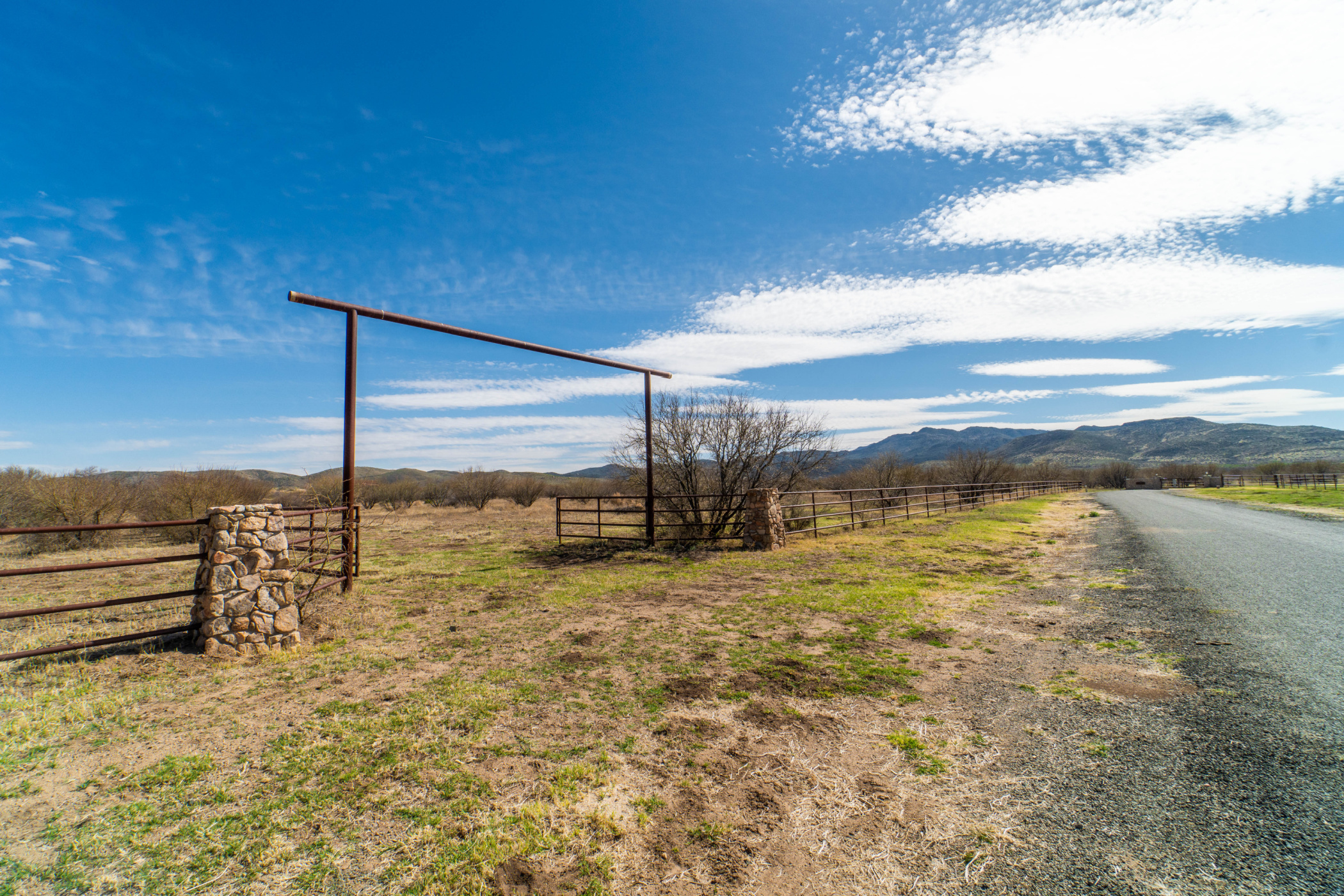
The provision, included in the state’s fiscal year 2027 budget, extends a statutory moratorium on certain groundwater withdrawal fees for water banking purposes in the Pinal AMA through 2030. It also continues a $2.50-per-acre-foot cap on annual groundwater withdrawal fees that support the Temporary Groundwater and Irrigation Efficiency Projects Fund.
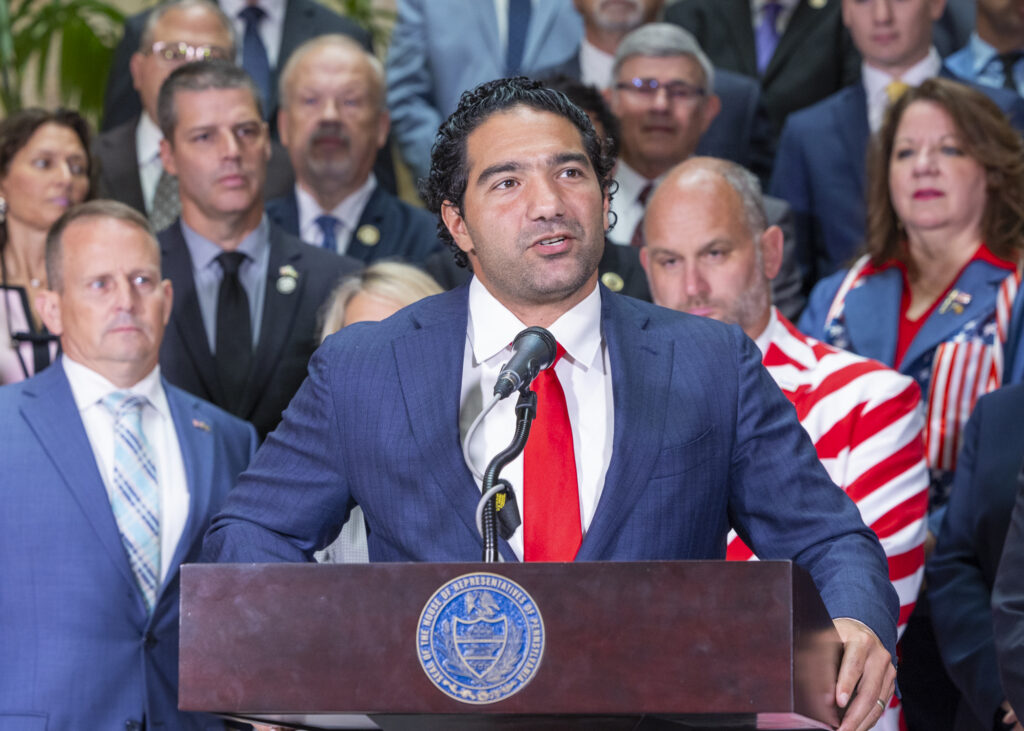
State Rep. Chris Lopez, vice chair of the House Natural Resources, Energy & Water Committee, said the extension is intended to help irrigation districts plan for a future with less surface water while keeping more locally generated money available for local water infrastructure needs.
What the Extension Does
Under the budget provision, no groundwater withdrawal fee for Arizona water banking purposes will be levied in the Pinal Active Management Area during calendar years 2020 through 2030. The previous moratorium had been set to run through 2026. The budget also extends the timeline for a fee of up to $2.50 per acre-foot for groundwater and irrigation efficiency projects in the Pinal AMA through 2030.
In addition, distributions from the Temporary Groundwater and Irrigation Efficiency Projects Fund are extended through 2032, giving more time for eligible irrigation districts to access and use the funds for approved projects. The delayed repeal of the program is also moved from 2028 to 2033.
Lopez had introduced the proposal earlier in the session as House Bill 2827. It was ultimately incorporated into the Legislature’s final budget through the Environment Budget Reconciliation Bill, House Bill 4159, which was approved by the governor on June 13, 2026.
Why Pinal County Matters
Pinal County sits at the center of Arizona’s agricultural and water policy challenges. Farmers in the region have long relied on a mix of groundwater and Colorado River water delivered through the Central Arizona Project. As long-term negotiations over Colorado River reductions continue, irrigation districts have been preparing for the possibility of less imported water and greater pressure on local groundwater systems.
The Temporary Groundwater and Irrigation Efficiency Projects Fund was created to support construction and rehabilitation of wells and related infrastructure, including projects designed to improve the efficient delivery of groundwater. Under the statute, groundwater withdrawal fees deposited into the fund are to be used only for constructing and rehabilitating wells and related infrastructure in the Pinal AMA.
Lopez said the extension gives irrigation districts the certainty needed to continue farming with less water while investing in improvements such as well upgrades and the replacement of open canals with closed pipe systems. Such projects can help reduce water loss, including evaporative loss, and improve delivery efficiency.
A Local Funding Question
Supporters of the extension frame the measure as a way to keep Pinal-area water money available for Pinal-area water projects. The fund had previously been affected when money was swept in 2024 to help balance the state budget, which Lopez said complicated farmers’ ability to prepare for looming Colorado River reductions.
The updated budget language states that money in the Temporary Groundwater and Irrigation Efficiency Projects Fund is held in trust and may be used only for the purposes outlined in the statute. It also says the money may not be transferred or appropriated to support the state’s general operations or meet general fund obligations.
Water Policy Remains a Long-Term Challenge
The extension does not resolve Arizona’s broader water challenges, nor does it eliminate the need for continued conservation, infrastructure investment and regional planning. But for Pinal County farmers and irrigation districts, it provides a longer runway to prepare for reduced Colorado River supplies and to invest in projects intended to make irrigation systems more efficient.
RECENT

Heather Jenkins and The Power of Intentional Rest
Health & Wellness
Michigan Storm Recovery Gets Bipartisan Federal Boost
In The States

Canada Says Goodbye To Country Gentleman Tommy Hunter
Entertainment
PA Lawmakers Focus on Energy
Energy

America’s 250th Turns the Weekend Into Something Bigger
Travel

Before You Reach for That Snack, Drink a Glass of Water
Friday Fuel

A Country Toast to America at 250
America

Summer Wellness Challenge to Help You Feel Your Best
Health & Wellness

Sybil Ludington Rides Home for America’s 250th
In The States

Michigan Targets Food Dyes
Health & Wellness
BE THE FIRST TO KNOW
Want to stay in the loop? Be the first to know! Sign up for our newsletter and get the latest stories, updates, and insider news delivered straight to your inbox.
More Content By
Think American News Staff
Kentucky Bridge Project Gets $24M Boost
American Infra
Arizona Extends Farm Water Fee Relief
In The States
Michigan Storm Recovery Gets Bipartisan Federal Boost
In The States
Canada Says Goodbye To Country Gentleman Tommy Hunter
Entertainment
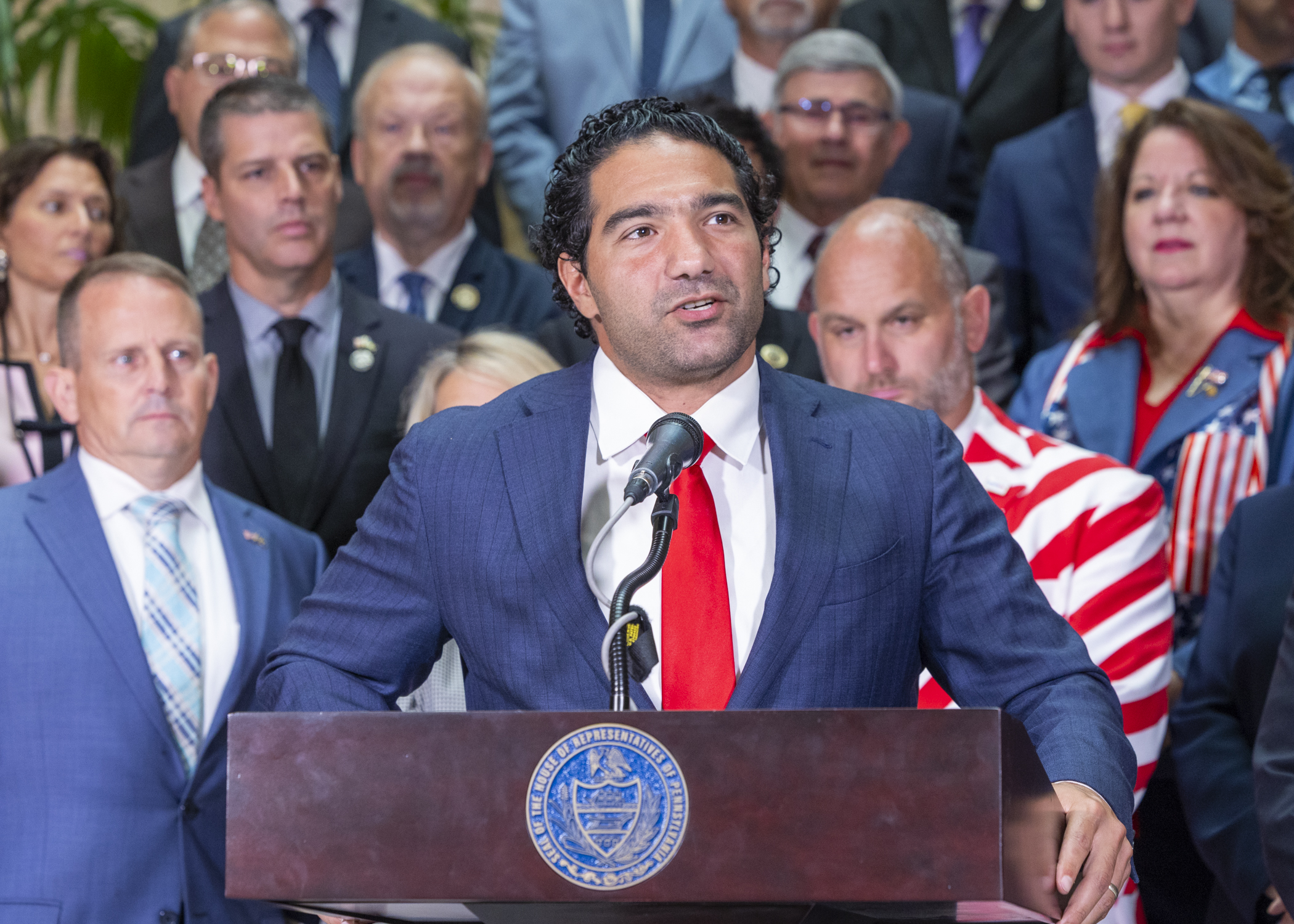
PA Lawmakers Focus on Energy
Energy
America’s 250th Turns the Weekend Into Something Bigger
Travel
A Country Toast to America at 250
America
Sybil Ludington Rides Home for America’s 250th
In The States
Michigan Targets Food Dyes
Health & Wellness

World Cup Energy Meets Summer Tradition
Dating
View All Content By Think American News Staff