Jul 06
Michigan Storm Recovery Gets Bipartisan Federal Boost
Adobe Stock/syahrir
Federal Aid Approved for Recovery
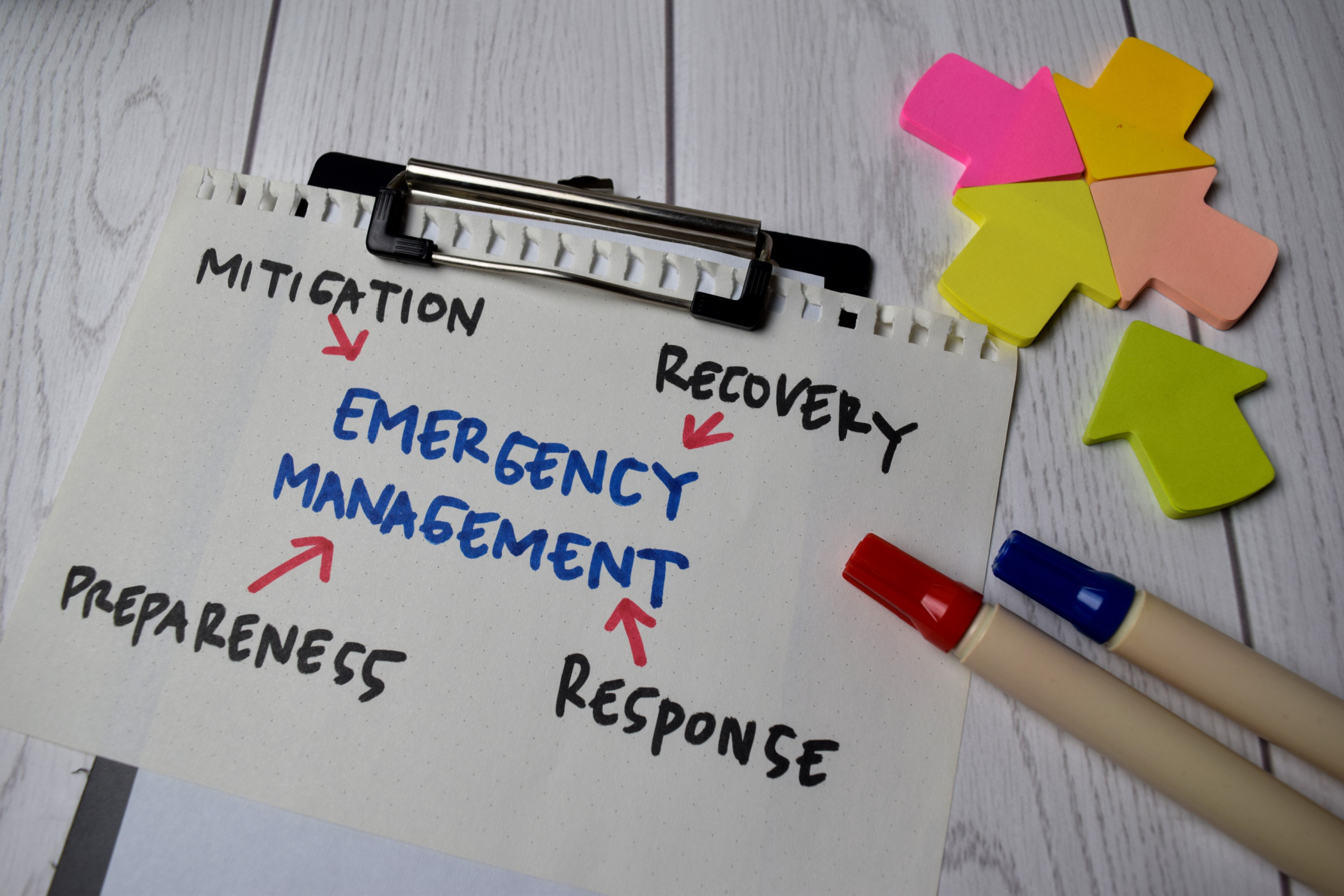
The declaration covers damage from a major weather event that stretched from April 10 through April 21 and affected 43 counties across the state. According to state officials, the storms brought widespread flooding, infrastructure concerns and nine confirmed tornadoes, leaving families, local governments and small businesses facing a long recovery.
Whitmer, a Democrat, announced the approval while thanking the Republican president for authorizing federal support. The announcement offered a notable example of state and federal cooperation at a time when disaster recovery often requires coordination across political lines, agencies and levels of government.
“President Trump has confirmed that residents and communities across Michigan impacted by the April severe storms, flooding, and tornadoes will receive much-needed support through millions of dollars in federal disaster assistance,” Whitmer said.
Help for Families and Communities
The declaration opens the door to Federal Emergency Management Agency Individual Assistance programs in 27 counties, including communities across northern, western, central and southeastern Michigan. Individual Assistance can help eligible residents with disaster-related needs such as temporary housing, home repairs and other necessary recovery expenses.
The declaration also grants FEMA Public Assistance for 26 counties. That program helps state, local and certain nonprofit entities recover costs tied to emergency response, debris removal and repairing or restoring damaged public infrastructure.
Federal officials also made Small Business Administration disaster assistance available through the declaration. SBA loans can help eligible homeowners, renters, businesses and nonprofits repair or replace damaged property.
Residents in designated counties whose homes or property were damaged are being encouraged to apply through FEMA at disasterassistance.gov or by calling 1-800-621-3362. Information about low-interest SBA loans is available through the MySBA Loan Portal or by calling 1-800-659-2955.
A Widespread Weather Event
The disaster followed a historic March snowfall in northern Michigan. As temperatures changed, snowmelt pushed rivers and waterways higher, increasing pressure on levees and dam infrastructure.
On April 10, Whitmer activated the State Emergency Operations Center in response to rising water levels at the Cheboygan Lock and Dam Complex and declared a state of emergency for Cheboygan County. As the situation expanded, multiple rounds of thunderstorms and heavy rainfall between April 13 and April 18 brought tornadoes, damaging winds, large hail and major flooding to wide areas of the state.
The impacts were significant. Hundreds of residents were displaced or stranded by floodwaters, roads were flooded or washed out, and several dams required close monitoring because of overtopping or failure concerns. During April, the National Weather Service issued 13 flash flood warnings, 24 flood warnings and 25 flood advisories across Michigan.
Cooperation Across Government
Michigan State Police Director Col. James F. Grady II said the state’s response included coordination through the State Emergency Operations Center and close work with FEMA, the SBA and local emergency management officials.
Grady said state and federal partners completed what he described as the largest joint preliminary damage assessment ever conducted in Michigan. Those assessments are a key step in determining whether damage meets the threshold for federal aid.
Republican U.S. Rep. Jack Bergman also praised the approval, saying FEMA funding would help multiple counties in Michigan’s First District recover from devastating spring flooding.
“These critical resources will help local communities continue the long process of recovery, repair critical infrastructure, and support families and small businesses working to get back on their feet,” Bergman said.
Recovery Continues
The approval comes after a series of state actions throughout April, as emergency declarations were expanded county by county and city by city in response to changing conditions. Whitmer formally requested the major disaster declaration on June 5, seeking both Individual Assistance and Public Assistance.
For Michigan residents still cleaning up, repairing homes or rebuilding businesses, the declaration does not end the recovery process. But it does provide additional federal tools to help families, local governments and communities move forward after one of the state’s most widespread spring weather disasters in recent years.
RECENT

Heather Jenkins and The Power of Intentional Rest
Health & Wellness
Arizona Extends Farm Water Fee Relief
In The States

Canada Says Goodbye To Country Gentleman Tommy Hunter
Entertainment
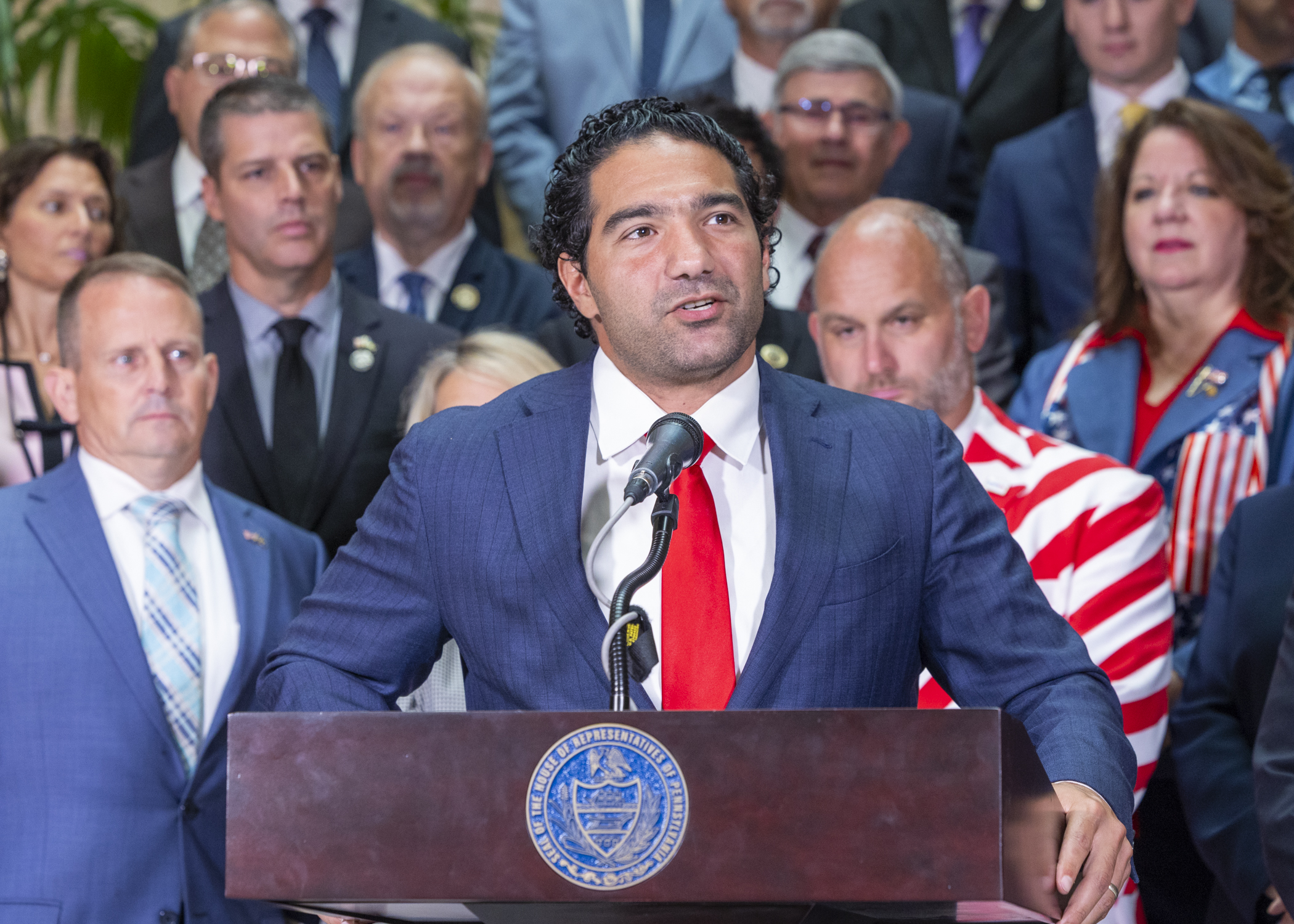
PA Lawmakers Focus on Energy
Energy

America’s 250th Turns the Weekend Into Something Bigger
Travel

Before You Reach for That Snack, Drink a Glass of Water
Friday Fuel

A Country Toast to America at 250
America

Summer Wellness Challenge to Help You Feel Your Best
Health & Wellness

Sybil Ludington Rides Home for America’s 250th
In The States

Michigan Targets Food Dyes
Health & Wellness
BE THE FIRST TO KNOW
Want to stay in the loop? Be the first to know! Sign up for our newsletter and get the latest stories, updates, and insider news delivered straight to your inbox.
More Content By
Think American News Staff
Kentucky Bridge Project Gets $24M Boost
American Infra
Arizona Extends Farm Water Fee Relief
In The States
Michigan Storm Recovery Gets Bipartisan Federal Boost
In The States
Canada Says Goodbye To Country Gentleman Tommy Hunter
Entertainment
PA Lawmakers Focus on Energy
Energy
America’s 250th Turns the Weekend Into Something Bigger
Travel
A Country Toast to America at 250
America
Sybil Ludington Rides Home for America’s 250th
In The States
Michigan Targets Food Dyes
Health & Wellness

World Cup Energy Meets Summer Tradition
Dating
View All Content By Think American News Staff