Jun 20
Adobe Stock/AntonioDiaz

A Growing Literacy Challenge
Michigan’s reading scores are drawing renewed concern as state lawmakers debate how to respond to years of disappointing literacy outcomes.
Despite repeated increases in school funding and nearly a billion dollars spent on literacy efforts over the last decade, many Michigan students continue to struggle with basic reading skills. According to recent statewide data, fewer than half of Michigan’s third- and fourth-grade students are reading proficiently, raising alarms among parents, educators and policymakers.
State Rep. Matt Hall said the numbers point to a deeper problem than funding alone.
“Clearly, this is not just a funding problem,” Hall said in a recent update to constituents. “We cannot keep doing the same thing and expect our students to achieve different results.”
Focus on Early Intervention
Hall said he voted to establish stronger literacy standards in elementary schools, with the goal of identifying struggling readers earlier and making sure families are kept informed about their child’s progress.
The plan, according to Hall, would require assessments of a child’s reading level, use proven methods to address deficiencies and provide parents with updates as students work toward improvement. The proposal also includes a measure aimed at preventing students from continuing through the school system without mastering fundamental reading skills.
Supporters argue that early literacy is one of the most important predictors of long-term academic success. By third grade, students are expected to begin shifting from “learning to read” to “reading to learn.” When children fall behind at that stage, the effects can carry into later grades, making it harder to keep up in other subjects.
Debate Over Retention and Support
Michigan previously had a third-grade reading law on the books that included retention provisions for students who were not reading at grade level, along with supports for struggling readers. The retention portion of that law was repealed in 2023 by the Democratic-led Legislature and signed by Gov. Gretchen Whitmer.
Hall opposed that repeal and said restoring stronger reading standards is necessary to help students before academic gaps grow wider.
“If a child cannot read proficiently by then, promoting them to the next grade does not solve the problem,” Hall said. “It only pushes the challenge further down the road, where catching up becomes more difficult and academic gaps become harder to overcome.”
The issue remains a point of debate. Critics of retention policies have argued that holding students back can have negative social and academic consequences if not paired with strong intervention. Supporters counter that simply advancing students without ensuring they can read leaves them unprepared for future coursework.
A Call for Accountability
Hall said the proposed standards are similar to those used in more than two dozen other states, including some that rank among the top in the nation for reading outcomes. He argued that Michigan should look to approaches that have shown results elsewhere rather than continuing policies that have not reversed the state’s literacy decline.
“Real compassion is not passing students along and hoping for the best,” Hall said. “It is identifying struggling readers early, providing meaningful support, and ensuring they have the core reading skills mastered before moving on.”
Reading as a Foundation
“I believe every child deserves the opportunity to succeed,” he said. “That starts with making sure they can read.”
As Michigan continues to confront troubling literacy numbers, the debate over standards, intervention and accountability is likely to remain central to education policy in Lansing.
RECENT

Heather Jenkins and The Power of Intentional Rest
Health & Wellness

Arizona Extends Farm Water Fee Relief
In The States

Michigan Storm Recovery Gets Bipartisan Federal Boost
In The States

Canada Says Goodbye To Country Gentleman Tommy Hunter
Entertainment
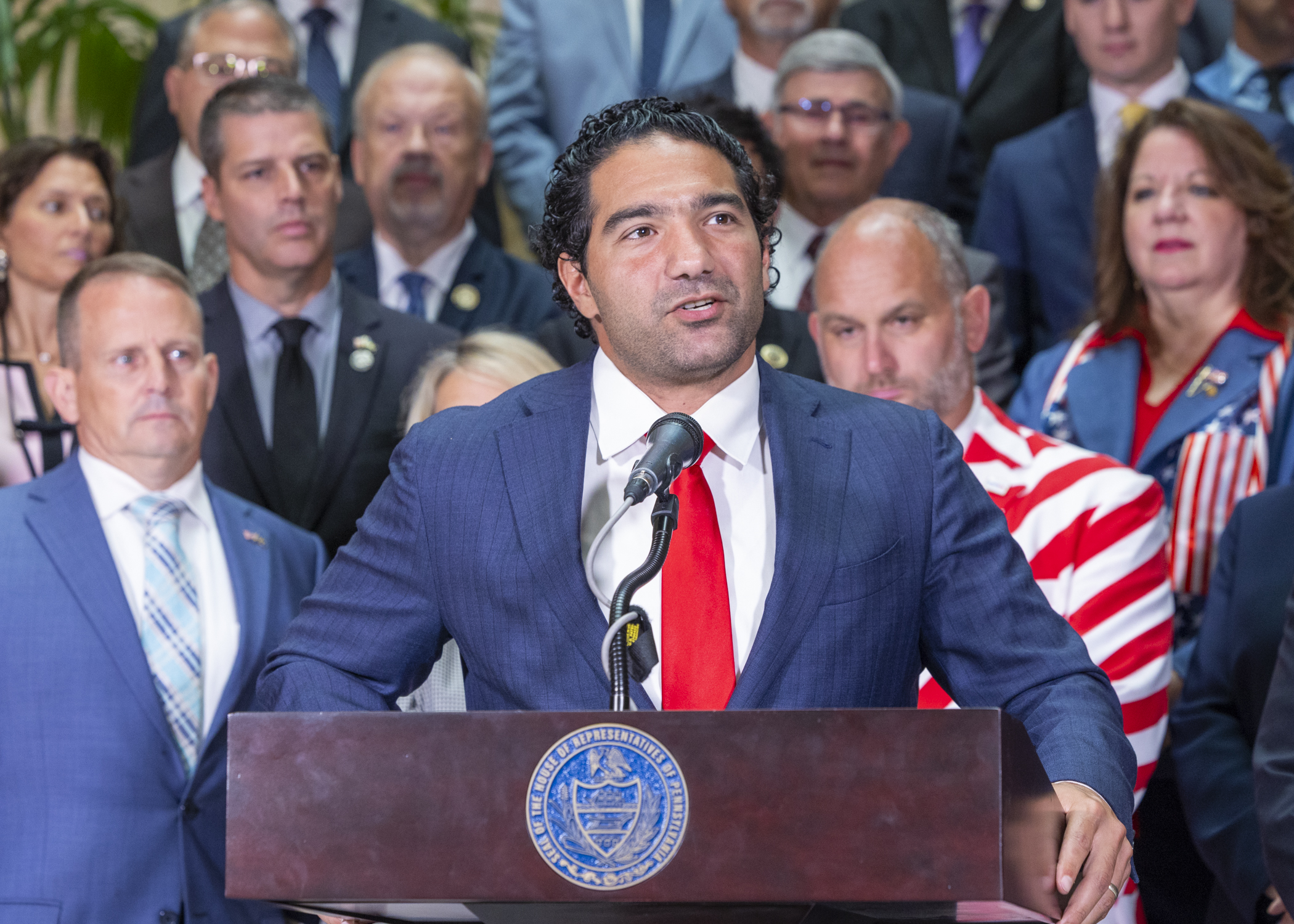
PA Lawmakers Focus on Energy
Energy

America’s 250th Turns the Weekend Into Something Bigger
Travel

Before You Reach for That Snack, Drink a Glass of Water
Friday Fuel

A Country Toast to America at 250
America

Summer Wellness Challenge to Help You Feel Your Best
Health & Wellness

Sybil Ludington Rides Home for America’s 250th
In The States
BE THE FIRST TO KNOW
Want to stay in the loop? Be the first to know! Sign up for our newsletter and get the latest stories, updates, and insider news delivered straight to your inbox.
More Content By
Think American News Staff
Kentucky Bridge Project Gets $24M Boost
American Infra
Arizona Extends Farm Water Fee Relief
In The States
Michigan Storm Recovery Gets Bipartisan Federal Boost
In The States
Canada Says Goodbye To Country Gentleman Tommy Hunter
Entertainment
PA Lawmakers Focus on Energy
Energy
America’s 250th Turns the Weekend Into Something Bigger
Travel
A Country Toast to America at 250
America
Sybil Ludington Rides Home for America’s 250th
In The States

Michigan Targets Food Dyes
Health & Wellness

World Cup Energy Meets Summer Tradition
Dating
View All Content By Think American News Staff