Apr 11
Adobe Stock/Road Red Runner
2026 Midterms: A Repeat of 2018—or a Different Political Story?
Familiar Headwinds for Republicans
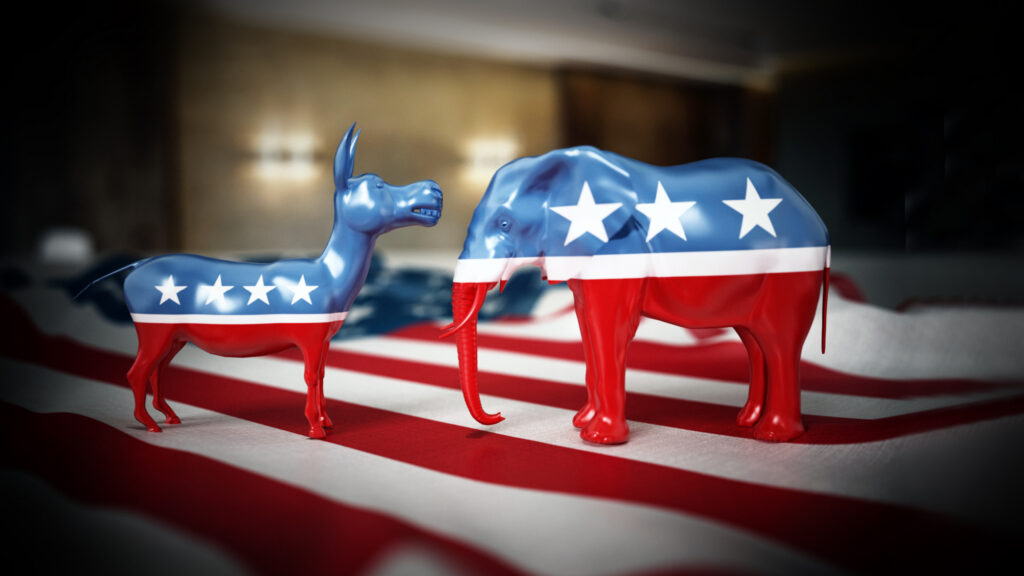
At first glance, the environment mirrors 2018 in several ways. Republican favorability ratings remain nearly identical, and both parties are facing significant challenges with voters—especially independents.
President Donald Trump’s approval ratings are also more negative now than they were heading into the 2018 midterms, while Republicans no longer hold a clear advantage on economic issues. Health care, in particular, continues to be a weak point.
Together, these indicators suggest a difficult political climate—one that historically has led to losses for the party in power.
But This Isn’t 2018
Despite those similarities, the data points to several important differences.
First, Democrats do not currently hold the same brand advantage they did in 2018. In fact, their favorability ratings have declined, narrowing the gap between the two parties.
Second, independents—often the deciding factor in midterm elections—are broadly dissatisfied with both parties. With a significant portion of voters viewing both Republicans and Democrats unfavorably, neither side enters the race with a clear edge.
The Battle for Independents
In 2018, Democrats secured a decisive advantage among independent voters. Repeating that performance may be more challenging this time around, given current sentiment.
Winning over this group could once again determine the outcome—but the path to doing so appears less straightforward for either party.
A Shift in Party Identification
Another notable change: party identification. While Democrats held an advantage in 2018, more recent elections have shown a shift toward Republicans at the congressional level.
Whether that trend continues into 2026 remains uncertain—but it adds another layer of unpredictability to the race.
Still Time to Shape the Outcome
The analysis suggests that while current conditions present challenges, the outcome is far from set. With months to go, messaging, strategy, and voter engagement—particularly among independents—could significantly influence how the election unfolds.
RECENT

Heather Jenkins and The Power of Intentional Rest
Health & Wellness

Arizona Extends Farm Water Fee Relief
In The States
Michigan Storm Recovery Gets Bipartisan Federal Boost
In The States

Canada Says Goodbye To Country Gentleman Tommy Hunter
Entertainment
PA Lawmakers Focus on Energy
Energy

America’s 250th Turns the Weekend Into Something Bigger
Travel

Before You Reach for That Snack, Drink a Glass of Water
Friday Fuel

A Country Toast to America at 250
America

Summer Wellness Challenge to Help You Feel Your Best
Health & Wellness

Sybil Ludington Rides Home for America’s 250th
In The States
BE THE FIRST TO KNOW
Want to stay in the loop? Be the first to know! Sign up for our newsletter and get the latest stories, updates, and insider news delivered straight to your inbox.
More Content By
Think American News Staff
Kentucky Bridge Project Gets $24M Boost
American Infra
Arizona Extends Farm Water Fee Relief
In The States
Michigan Storm Recovery Gets Bipartisan Federal Boost
In The States
Canada Says Goodbye To Country Gentleman Tommy Hunter
Entertainment
PA Lawmakers Focus on Energy
Energy
America’s 250th Turns the Weekend Into Something Bigger
Travel
A Country Toast to America at 250
America
Sybil Ludington Rides Home for America’s 250th
In The States

Michigan Targets Food Dyes
Health & Wellness

World Cup Energy Meets Summer Tradition
Dating
View All Content By Think American News Staff