May 26
Adobe Stock/AungMyo
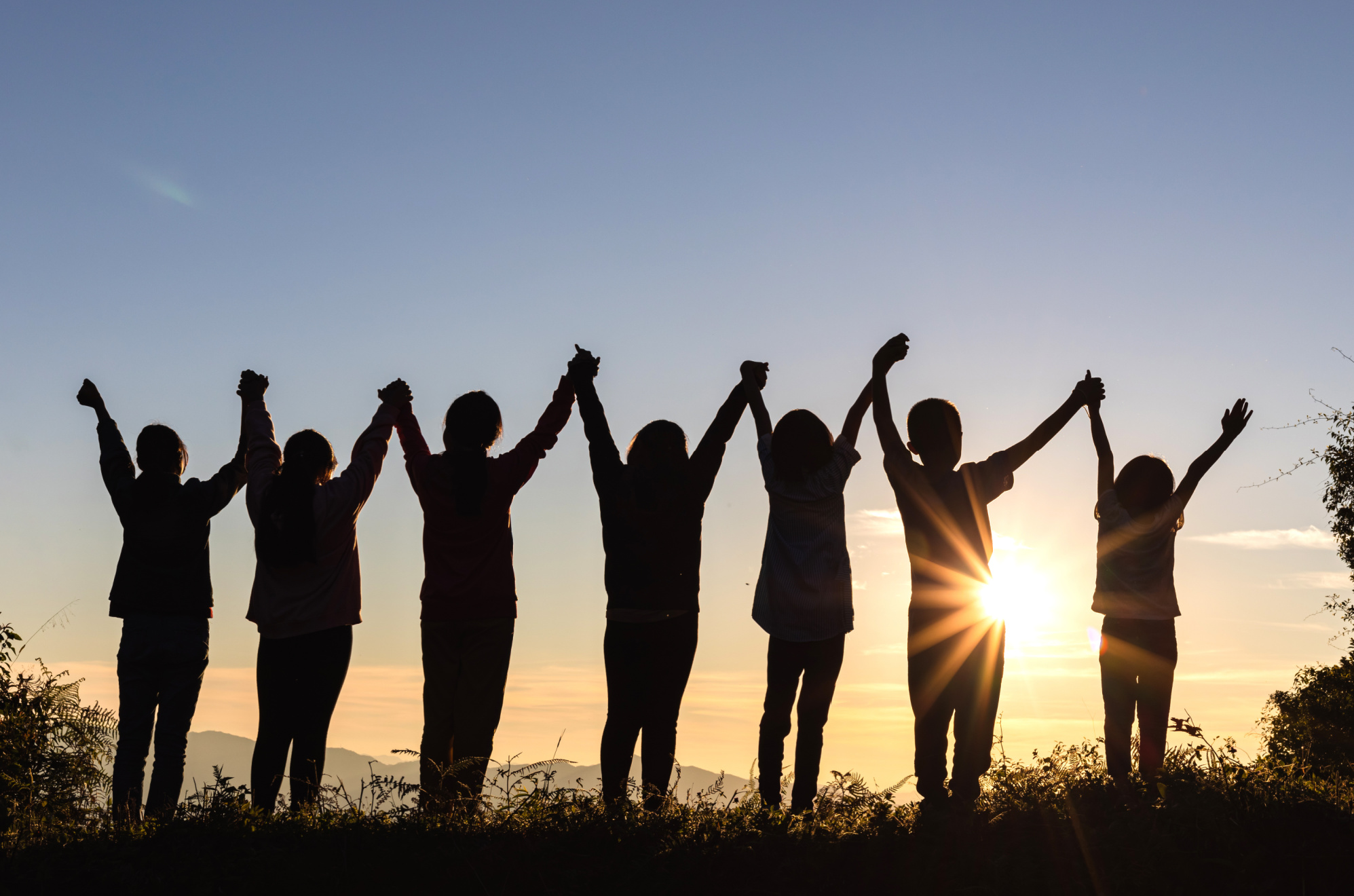
But according to Dr. Mark Williamson, lasting happiness is usually built through small, consistent actions — especially actions that involve caring for others as well as ourselves.
Williamson, the CEO of Action for Happiness and author of Make Life Happier, recently shared five practical ways people can improve their well-being while also positively impacting those around them.
Start With Small ‘Happiness Experiments’
Williamson says one of the biggest misconceptions about happiness is the belief that people must feel motivated before making positive changes.
Instead, he argues that action often creates motivation.
Rather than overthinking, he encourages people to try small experiments — taking a walk, calling a friend, changing a routine, or spending time outdoors — and paying attention to how those actions affect mood and energy levels.
“You’re the experiment,” Williamson explained, encouraging people to stay curious and focus on small steps instead of dramatic transformations.
Practice ‘Realistic Optimism’
Modern life often trains people to focus on problems, stress, and negativity.
Williamson says that tendency — known as “negativity bias” — is part of human nature, but it can leave people emotionally drained if left unchecked.
Rather than forcing fake positivity, he encourages “realistic optimism,” which means acknowledging challenges while still focusing on hope and progress.
For example:
“This is difficult — and I can still move forward.”
He says learning to hold both truths at once can strengthen resilience and emotional balance.
Build Your ‘Social Fitness’
Research consistently shows that strong relationships are among the biggest predictors of long-term happiness and health.
Yet many people unintentionally neglect friendships and personal connections as life gets busier.
Williamson compares relationships to physical fitness: they require ongoing attention and care.
Simple habits like checking in with someone, putting away distractions during conversations, or reaching out to a friend can strengthen emotional connections and improve overall well-being.
Kindness Creates Ripple Effects
Williamson also stresses the importance of everyday kindness.
Small gestures — encouraging someone, helping a neighbor, listening attentively, or showing patience — can create ripple effects that positively influence entire communities.
“When we amplify kindness and encourage trust, we help make life happier for ourselves and others around us too,” he explained.
He says kindness does not need to be dramatic to matter.
Often, the smallest acts have the biggest emotional impact.
Focus on What Truly Matters
Finally, Williamson encourages people to step back from “autopilot living.”
In a world filled with schedules, screens, and constant distractions, he says many people rarely stop to ask whether they are spending time on what truly matters most.
One exercise he recommends is imagining advice from your future self.
“What would my future self say matters most right now?”
For many people, the answer often centers around relationships, purpose, health, and meaningful experiences rather than constant productivity.
Happiness and Helping Others Go Together
Williamson says one of the most important lessons from years of studying well-being is that happiness and helping others are deeply connected.
True fulfillment, he argues, rarely comes from focusing only on yourself.
Instead, it grows when people care for themselves while also showing up for the people around them.
And sometimes, the smallest actions can make the biggest difference.
RECENT

Heather Jenkins and The Power of Intentional Rest
Health & Wellness

Arizona Extends Farm Water Fee Relief
In The States
Michigan Storm Recovery Gets Bipartisan Federal Boost
In The States

Canada Says Goodbye To Country Gentleman Tommy Hunter
Entertainment
PA Lawmakers Focus on Energy
Energy

America’s 250th Turns the Weekend Into Something Bigger
Travel
Before You Reach for That Snack, Drink a Glass of Water
Friday Fuel

A Country Toast to America at 250
America

Summer Wellness Challenge to Help You Feel Your Best
Health & Wellness

Sybil Ludington Rides Home for America’s 250th
In The States
BE THE FIRST TO KNOW
Want to stay in the loop? Be the first to know! Sign up for our newsletter and get the latest stories, updates, and insider news delivered straight to your inbox.
More Content By
Think American News Staff
Kentucky Bridge Project Gets $24M Boost
American Infra
Arizona Extends Farm Water Fee Relief
In The States
Michigan Storm Recovery Gets Bipartisan Federal Boost
In The States
Canada Says Goodbye To Country Gentleman Tommy Hunter
Entertainment
PA Lawmakers Focus on Energy
Energy
America’s 250th Turns the Weekend Into Something Bigger
Travel
A Country Toast to America at 250
America
Sybil Ludington Rides Home for America’s 250th
In The States

Michigan Targets Food Dyes
Health & Wellness

World Cup Energy Meets Summer Tradition
Dating
View All Content By Think American News Staff