Jan 25
Adobe Stock/ Raul Mellado
A 600-Year-Old Giant Emerges from the Seafloor
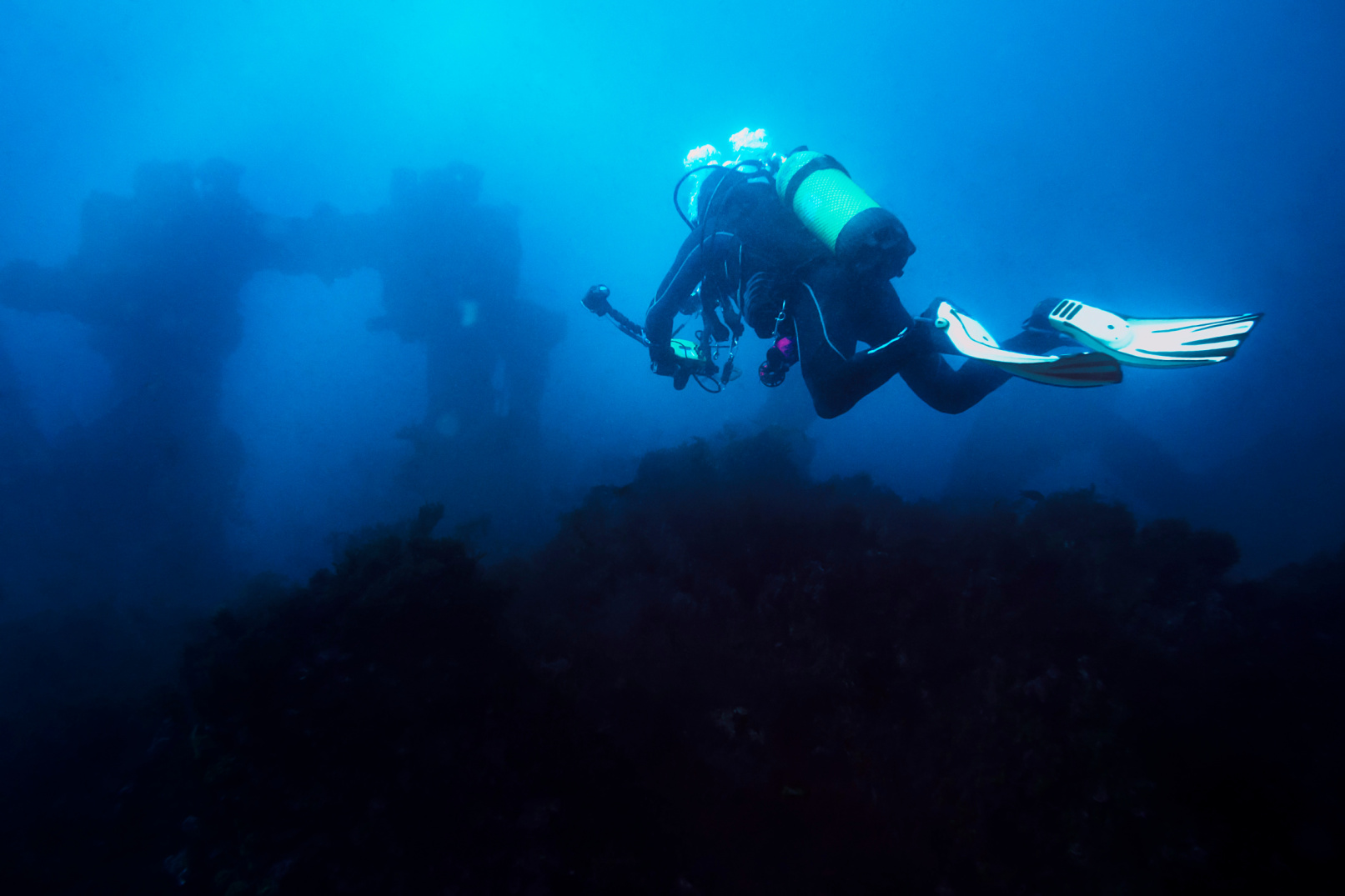
Danish archaeologists have uncovered a remarkable piece of maritime history: the remains of the world’s largest known medieval cargo ship, hidden beneath the waters off Copenhagen for more than six centuries. The vessel, known as Svælget 2, was discovered during seabed surveys connected to Copenhagen’s Lynetteholm development project, revealing a ship that once played a crucial role in European trade.
A ‘Super Ship’ of the Middle Ages
Built in 1410, Svælget 2 is a cog — a type of cargo ship that formed the backbone of medieval commerce. Measuring approximately 92 feet long, 30 feet wide, and 20 feet high, the ship could carry an estimated 330 tons of goods. According to the Viking Ship Museum in Roskilde, it represents the largest cog ever discovered anywhere in the world and showcases the most advanced shipbuilding techniques of its time.
Tree-ring analysis revealed the vessel was constructed using timber from Pomerania in modern-day Poland and the Netherlands, underscoring the interconnected nature of medieval Europe’s shipbuilding and trade networks.
Unusually Well-Preserved Details
What makes the discovery even more extraordinary is its state of preservation. Protected for centuries by sand and silt, the ship still contains rare features such as intact rigging and a brick-built galley where sailors cooked over an open hearth — a notable comfort for life at sea. Archaeologists also recovered everyday personal items, including shoes, combs, dishes, and rosary beads, offering an intimate glimpse into sailors’ daily lives.
A Window Into Medieval Trade
While no cargo remains were found, researchers believe the ship likely transported salt, cloth, or lumber. The size and construction of Svælget 2 illustrate how ships like this transformed trade, making it possible to move everyday goods across long distances — not just luxury items. Experts say further study of the artifacts may reveal even more about life aboard one of the Middle Ages’ most impressive merchant vessels.
RECENT

Heather Jenkins and The Power of Intentional Rest
Health & Wellness
Arizona Extends Farm Water Fee Relief
In The States

Michigan Storm Recovery Gets Bipartisan Federal Boost
In The States

Canada Says Goodbye To Country Gentleman Tommy Hunter
Entertainment

PA Lawmakers Focus on Energy
Energy

America’s 250th Turns the Weekend Into Something Bigger
Travel

Before You Reach for That Snack, Drink a Glass of Water
Friday Fuel

A Country Toast to America at 250
America

Summer Wellness Challenge to Help You Feel Your Best
Health & Wellness

Sybil Ludington Rides Home for America’s 250th
In The States
BE THE FIRST TO KNOW
Want to stay in the loop? Be the first to know! Sign up for our newsletter and get the latest stories, updates, and insider news delivered straight to your inbox.
More Content By
Think American News Staff
Kentucky Bridge Project Gets $24M Boost
American Infra
Arizona Extends Farm Water Fee Relief
In The States
Michigan Storm Recovery Gets Bipartisan Federal Boost
In The States
Canada Says Goodbye To Country Gentleman Tommy Hunter
Entertainment
PA Lawmakers Focus on Energy
Energy
America’s 250th Turns the Weekend Into Something Bigger
Travel
A Country Toast to America at 250
America
Sybil Ludington Rides Home for America’s 250th
In The States

Michigan Targets Food Dyes
Health & Wellness

World Cup Energy Meets Summer Tradition
Dating
View All Content By Think American News Staff