May 26
Office of Rep Steve Bashore
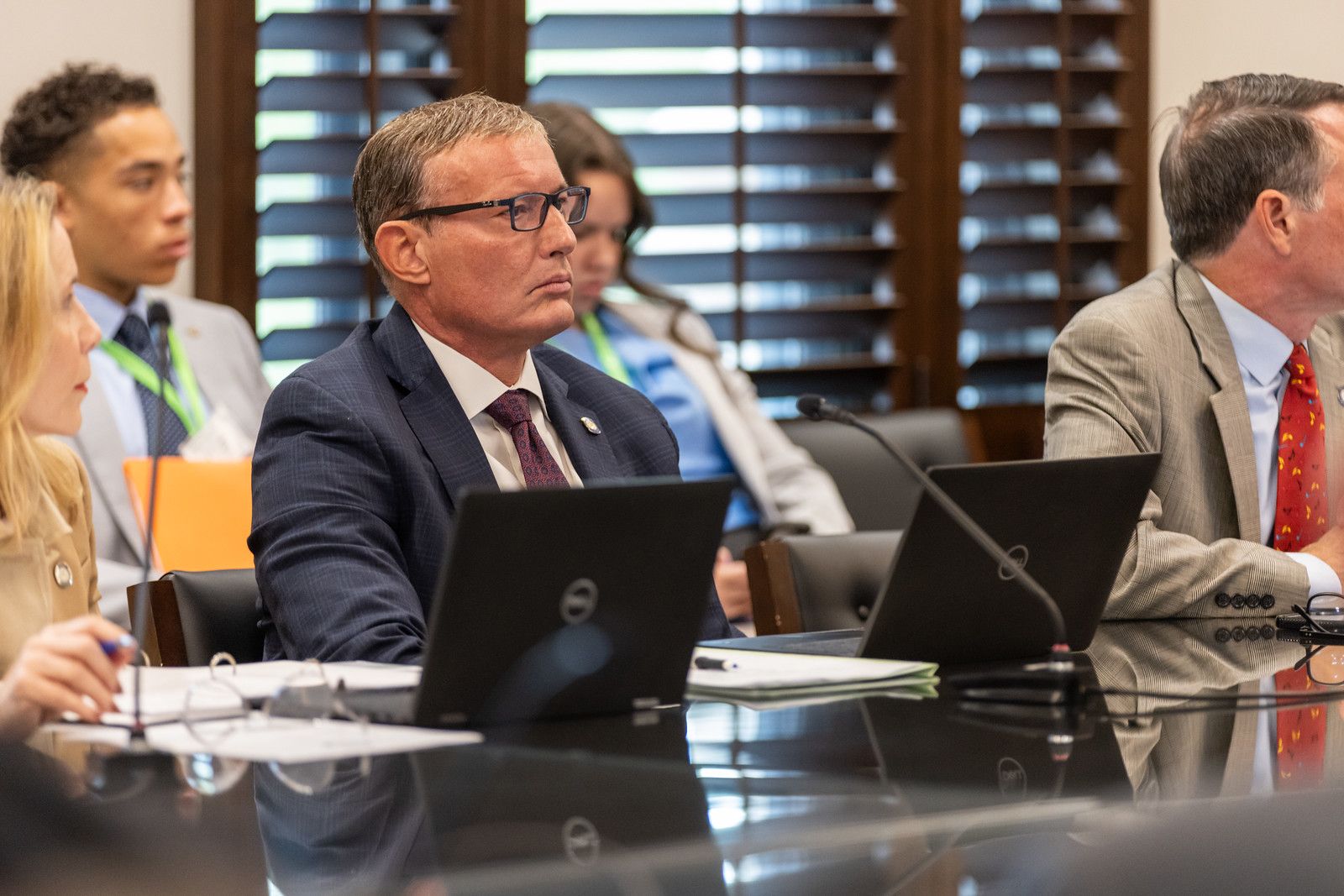
A new Oklahoma law will require first responders to notify law enforcement when they treat a suspected drug overdose, a move supporters say is aimed at improving communication, strengthening prevention efforts and helping officials better understand where overdose-related resources are needed most.
Connecting First Responders and Law Enforcement
Under the new law, first responders must notify law enforcement as soon as practicable after attending to the medical needs of a person they are treating when a drug overdose is suspected. The bill also grants legal immunity to those who make the notification in good faith.
The goal, according to Bashore, is not simply to create another reporting requirement, but to build a clearer picture of overdose trends across Oklahoma and improve coordination among those on the front lines.
“The hope is that by bringing first responders, health care workers and law enforcement together we can save lives, better educate our population, design prevention strategies and target resources to communities that need them most,” Bashore said.
For communities dealing with the growing impact of fentanyl and opioid abuse, timely information can make a major difference. When first responders, health professionals and law enforcement are operating from the same information, local and state officials may be better positioned to identify overdose clusters, respond to dangerous drug trends and direct education or prevention campaigns where they are most urgently needed.
Fentanyl’s Growing Impact
The measure also addresses fatal overdoses involving fentanyl. In those cases, fentanyl will be presumed to be the cause of death.
That provision comes as Oklahoma, like many states, continues to confront the spread of fentanyl in the drug supply. According to the Oklahoma State Department of Health, fentanyl was involved in 86% of opioid-related overdose deaths in 2024. Before 2020, fentanyl was involved in approximately 10% to 20% of opioid-related overdose deaths annually.
That shift reflects a dangerous and fast-moving change in the overdose crisis. Fentanyl has increasingly been found in counterfeit pills and other drugs, often without the knowledge of the person taking them. Its potency has made it especially deadly, and state leaders are looking for ways to respond more quickly and effectively.
“Fentanyl is a growing problem in our state and in the nation,” Bashore said. “Having better data on the spread of fentanyl in our state will help us better track where help is needed most.”
Data as a Tool for Prevention
Supporters of the new law argue that better reporting can lead to better prevention. Overdose calls often provide real-time insight into where dangerous substances may be circulating. By requiring notification after medical care has been provided, the law seeks to balance the immediate need to treat the person experiencing an overdose with the broader public safety need to identify patterns.
For families and communities affected by addiction, the stakes are high. Overdose deaths are not just statistics. They represent sons, daughters, parents, friends and neighbors whose lives were cut short or forever changed by substance abuse and fentanyl exposure.
The new law gives Oklahoma another tool to track the crisis and respond to it. While notification alone will not solve the overdose epidemic, lawmakers hope it will improve coordination, sharpen prevention strategies and help save lives before more families are forced to face the devastating consequences of fentanyl.
RECENT

Offbeat Observances: May 26 Has Officially Lost the Plot
Offbeat Observances

Bless Your Headlines: Joey Chestnut Edition
Bless Your Headlines

Griffo Takes Aim at Distracted Driving
In The States

Texas Joins Nation in Memorial Day Remembrance
America

Police Target Dangerous Holiday Driving
Law and Order

Bluegrass Meets American Spirit
Entertainment

Why Small Acts of Kindness Are Actually Good for Your Health
Did You Know?

Group Surprises MA Drivers With ‘Reverse Panhandling’
Kindness
Trinh Ha on Freedom and Opportunity
In The States

Meal Prep Delivery: Helpful Tool or Temporary Fix?
Friday Fuel
BE THE FIRST TO KNOW
Want to stay in the loop? Be the first to know! Sign up for our newsletter and get the latest stories, updates, and insider news delivered straight to your inbox.
More Content By
Think American News StaffOklahoma Law Aims to Improve Overdose Reporting
In The States
Griffo Takes Aim at Distracted Driving
In The States
Texas Joins Nation in Memorial Day Remembrance
America
Police Target Dangerous Holiday Driving
Law and Order
Bluegrass Meets American Spirit
Entertainment
Why Small Acts of Kindness Are Actually Good for Your Health
Did You Know?
Group Surprises MA Drivers With ‘Reverse Panhandling’
Kindness

Wisconsin Lawmakers Strike Deal on Taxes and Schools
In The States

“Good Ol’ USA” Debuts Ahead of America250
Entertainment

Wisconsin Panel Tackles Manufacturing Challenges
In The States
View All Content By Think American News Staff