May 23
Adobe Stock/Golib Tolibov
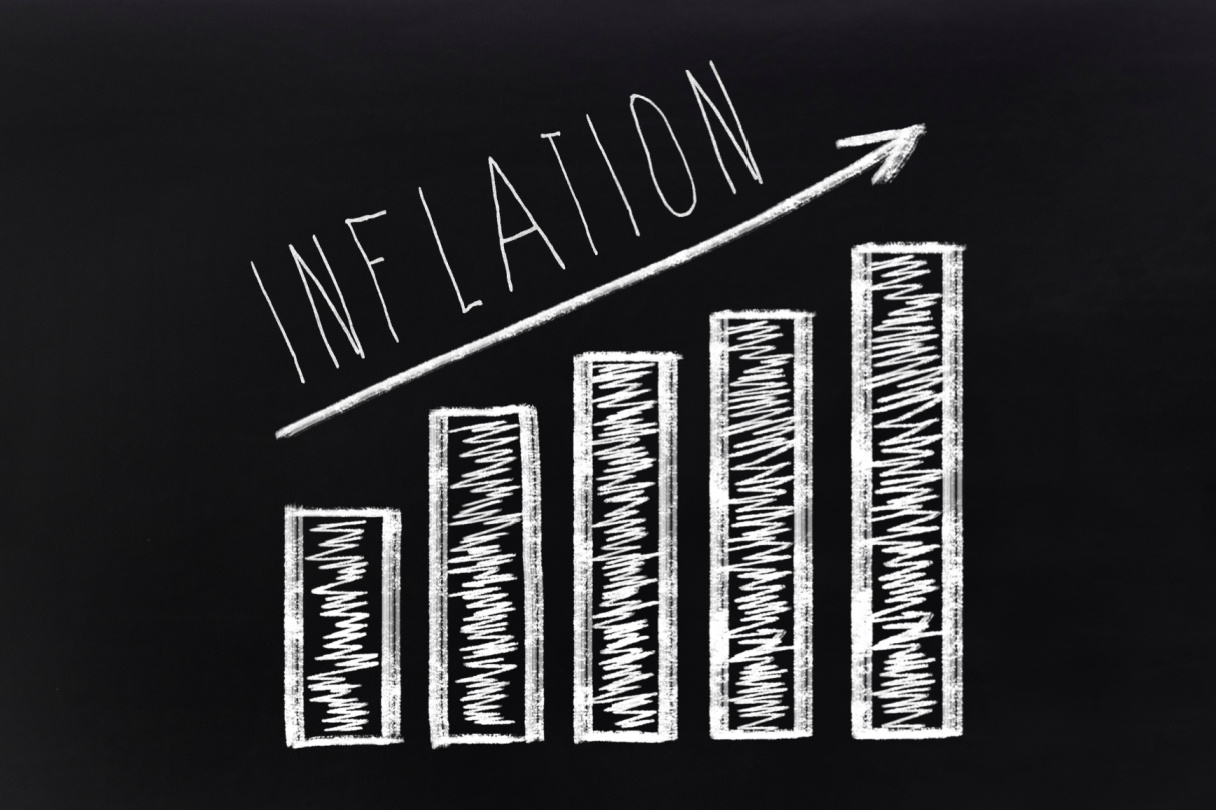
According to this week’s WG Discussion Points memo, the latest Consumer Price Index report showed year-over-year inflation rising to 3.8%—the highest level recorded during President Trump’s current term and above the 3% inflation rate when President Biden left office.
The memo argues that while the White House has described the latest spike as temporary and linked it to instability tied to the war in Iran, Democrats are already sharpening their messaging around rising prices and economic concerns.
Inflation Becomes a Political Battleground
The report points to a recent televised exchange between former Transportation Secretary Pete Buttigieg and CNBC host Joe Kernan as an example of how Democrats may approach the issue moving forward.
Kernan reportedly emphasized the inflation challenges that occurred during the Biden administration, while Buttigieg countered that inflation levels today—not years ago—are what voters are currently experiencing.
The memo suggests Democrats increasingly believe the focus should shift away from the broader inflation surge under Biden and toward current price increases happening now.
According to Winston Group analysis, Republicans should expect more direct attacks centered on affordability, tariffs, gas prices, and consumer costs in the months ahead.
Wages vs. Prices
One key data point highlighted in the report involves the relationship between wages and inflation.
By January 2026, wage growth during Trump’s term reportedly exceeded rising prices by approximately 1.9%.
But over the last three months, the memo says inflation has nearly erased that gap, with wages now outpacing prices by only 0.2%.
The report warns that continued inflation increases could weaken one of Republicans’ strongest economic arguments if voters feel everyday costs are rising faster than their paychecks.
Why Upcoming Inflation Reports Matter
The Winston Group memo notes there are still five major inflation reports scheduled before Election Day:
- June 10
- July 14
- August 12
- September 11
- October 14
According to the analysis, each report could significantly shape public perception of the economy and influence voter attitudes heading into the fall campaign season.
Historically, inflation and affordability concerns tend to rank among the top issues for voters during periods of economic uncertainty.
The Larger Political Question
The broader debate now centers on which party voters ultimately hold responsible for ongoing economic pressures.
Republicans continue arguing that inflation remains tied to long-term policy decisions made during the Biden administration.
Democrats, meanwhile, are increasingly framing recent price increases as a current governing issue tied to tariffs, energy costs, and global instability.
RECENT

Heather Jenkins and The Power of Intentional Rest
Health & Wellness

Arizona Extends Farm Water Fee Relief
In The States
Michigan Storm Recovery Gets Bipartisan Federal Boost
In The States

Canada Says Goodbye To Country Gentleman Tommy Hunter
Entertainment
PA Lawmakers Focus on Energy
Energy
America’s 250th Turns the Weekend Into Something Bigger
Travel

Before You Reach for That Snack, Drink a Glass of Water
Friday Fuel

A Country Toast to America at 250
America

Summer Wellness Challenge to Help You Feel Your Best
Health & Wellness

Sybil Ludington Rides Home for America’s 250th
In The States
BE THE FIRST TO KNOW
Want to stay in the loop? Be the first to know! Sign up for our newsletter and get the latest stories, updates, and insider news delivered straight to your inbox.
More Content By
Think American News Staff
Kentucky Bridge Project Gets $24M Boost
American Infra
Arizona Extends Farm Water Fee Relief
In The States
Michigan Storm Recovery Gets Bipartisan Federal Boost
In The States
Canada Says Goodbye To Country Gentleman Tommy Hunter
Entertainment
PA Lawmakers Focus on Energy
Energy
America’s 250th Turns the Weekend Into Something Bigger
Travel
A Country Toast to America at 250
America
Sybil Ludington Rides Home for America’s 250th
In The States
Michigan Targets Food Dyes
Health & Wellness

World Cup Energy Meets Summer Tradition
Dating
View All Content By Think American News Staff